 2025.12.19
 Industry News
Content
PE pipes are widely used in modern municipal water supply, gas transmission, and industrial sewage systems due to their corrosion resistance and long service life. The quality of the connections directly determines the safety of the entire pipeline network.
To ensure reliable sealing and leak-free joints, construction personnel must strictly adhere to the standardized process flow. The following are the key steps to follow when performing socket connections using PE heat fusion pipe fittings.
Before formal operation, checking the tools and materials is the first step to ensure welding quality.
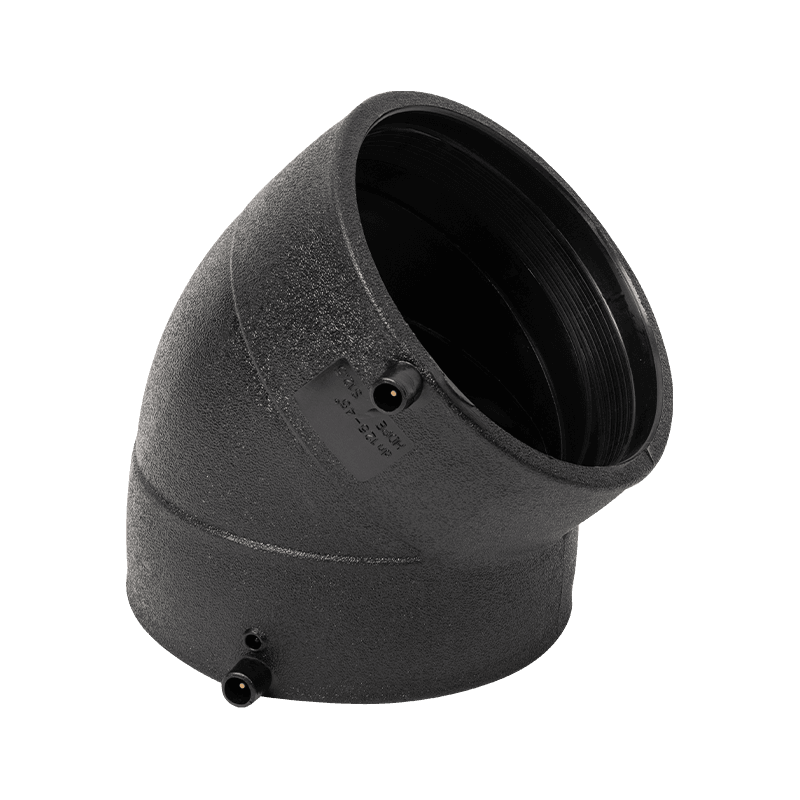
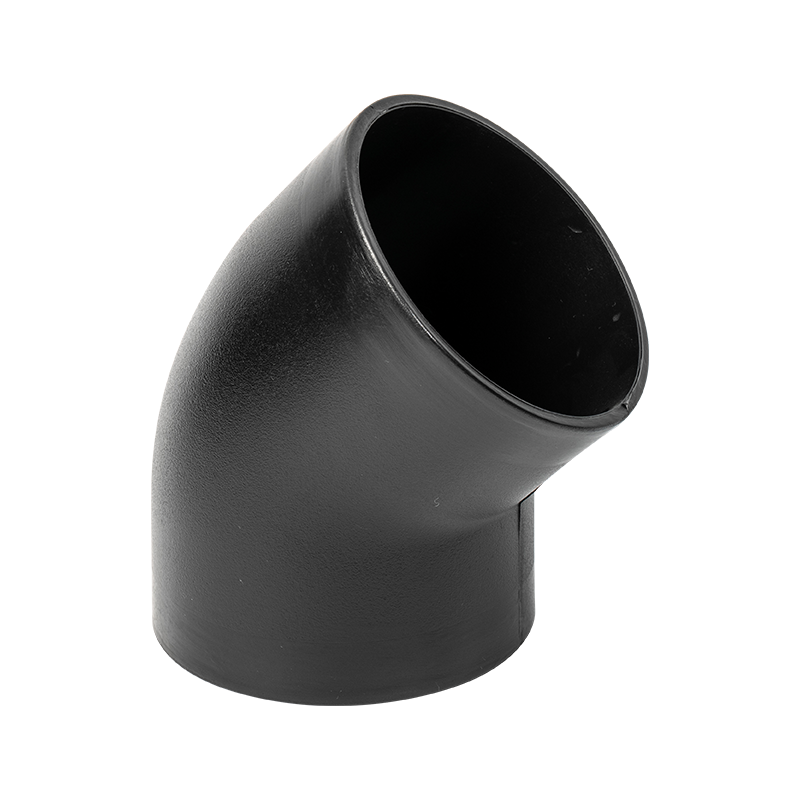
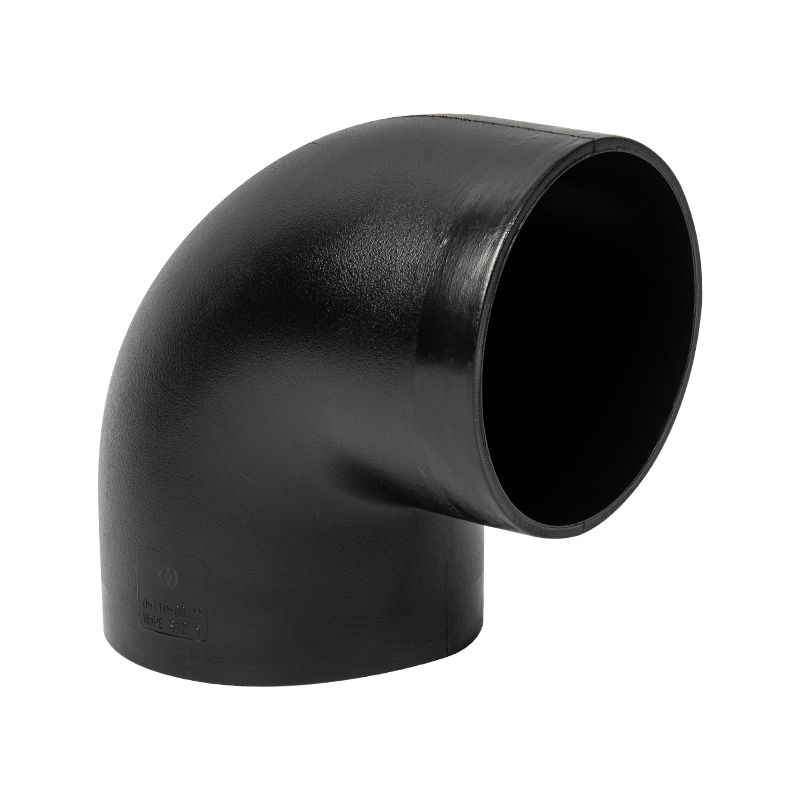
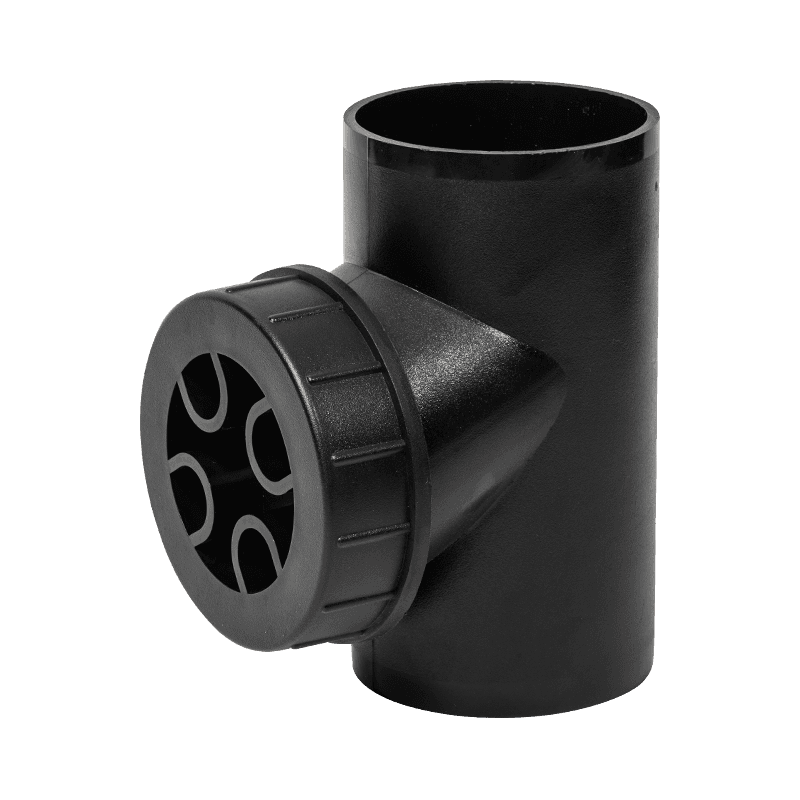
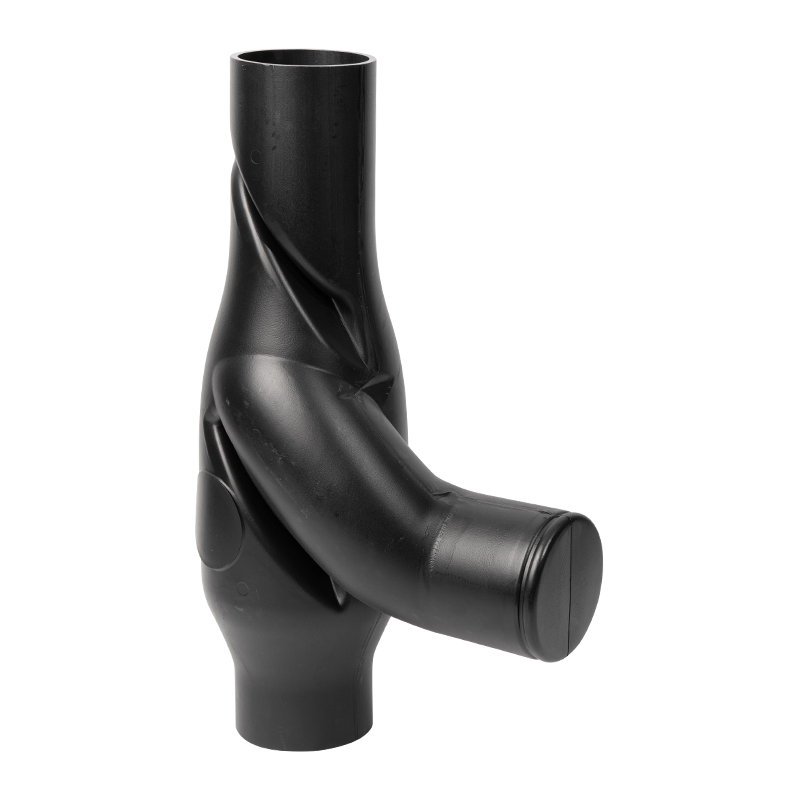
Inspect the pipes and fittings: Confirm that the PE pipe surface is flat, the PE hot-melt fittings are of consistent specifications, and both are free of cracks or deep scratches.
Clean the welding surfaces: Use a clean cotton cloth to wipe away water stains, dust, and oil from the pipe connection ends and the inside of the fitting socket.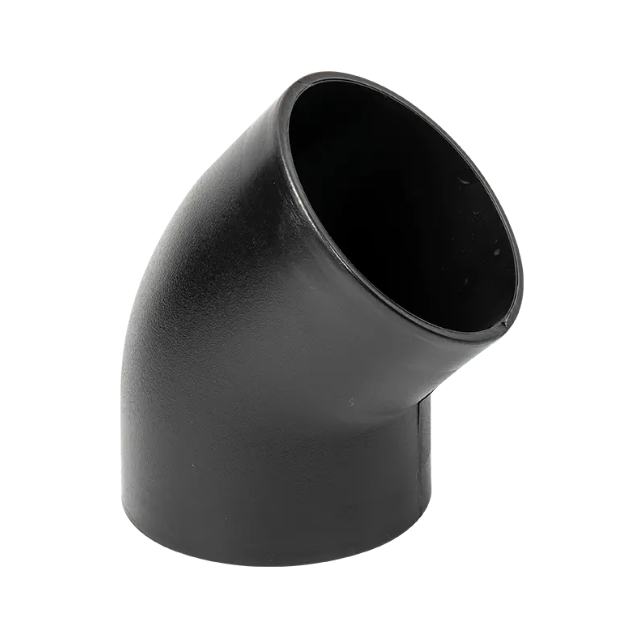
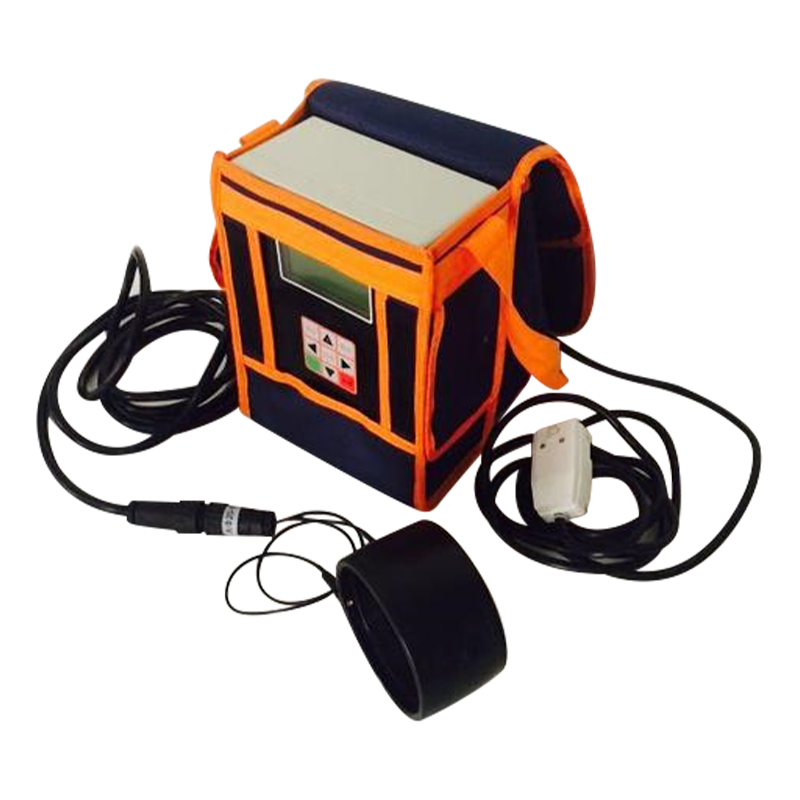
1. Adjusting the Hot Melt Machine: Heat the heating plate of the hot melt butt welding machine to the preset working temperature (usually around 260°C). When the indicator light flashes or changes color, it indicates that the temperature has stabilized, and operation can begin.
1. Cutting and Marking: Use a dedicated pipe shears or pipe cutter to cut the pipe vertically, ensuring a flat end face. Then, according to the depth of the PE heat fusion pipe fittings socket, use a marker to mark the insertion depth line on the pipe spigot end. This step is crucial to prevent insufficient connection strength due to insufficient insertion depth.
2. Heating (Heat Absorption): Push the pipe and fitting simultaneously into the die head of the hot melt machine.
Push the pipe into the heating sleeve.
Push the PE hot melt fitting into the heating head. Note: The pushing process must be rapid and with even force; rotating the pipe or fitting is strictly prohibited.
3. Observing the Edge Flange: After heating for the specified time, observe whether a slight, uniform edge flare appears on the pipe. At this point, the pipe and fittings should be immediately removed from the die.
4. Butt Joint and Socketing:
After removing the die, within a very short "conversion time," horizontally align the pipe with the socket of the PE hot-melt fitting and insert it smoothly until the marked depth line is reached.
Note: During insertion, rotating the fitting is strictly prohibited, as this will damage the molten material molecular chains, leading to potential leaks.
5. Cooling and Shaping:
Keep the joint free from external forces and allow it to cool naturally. Forced cooling with cold water is strictly prohibited. Only after the connection has completely cooled to room temperature can the pipeline be moved or the next step of construction proceed.
Environmental Factors: If construction is carried out in cold weather or windy conditions, the heating time should be appropriately extended or wind protection measures should be taken.
Die Maintenance: Regularly check the Teflon coating on the hot-melt machine die for integrity. If the coating peels off, it will cause the PE heat fusion pipe fittings to stick together during heating, affecting the welding effect.
Reheating is strictly prohibited: If welding fails, the joint must be cut off, a new fitting replaced, and the process restarted. Reheating and welding of the old joint is strictly forbidden.
Mastering the socket connection technology of PE heat fusion pipe fittings is a fundamental skill for every water supply and drainage engineer and construction worker. By strictly adhering to the standardized process of "cleaning, marking, heating, insertion, and cooling," the service life of the pipe network can be effectively extended, and later maintenance costs reduced.
 General Manager Mr.Song +86-18868665013 / Miss Zhou +86-13757458992
 International Sales Manager: Jim Yao +86-18968349877
 +86-574-62939789
 Wechat/WhatsApp: +86-18968349877
 [email protected]; [email protected]
 No. 147 Dushan, Sanqi Town, Yuyao City, Zhejiang Province
Copyright © Ningbo Heqi Pipe Co., Ltd. All rights reserved. Wholesale Drainage Pipes Manufacturer Drainage Fittings Supplier



 EN
EN

 English
 中文简体
中文简体