 2025.12.26
 Industry News
Content
In modern urban pipeline construction, electrofusion fittings have become the preferred solution for connecting HDPE pipes due to their significant advantages, such as reliable connection, simple construction, and minimal environmental impact.
Electrofusion fittings are connectors that use an internal heating wire to fuse the inner wall of the fitting with the outer wall of the pipe, creating a single unit. Compared to traditional butt fusion, they perform particularly well in confined spaces, emergency repairs, and gas pipeline networks with high safety requirements.
Based on engineering structure and connection requirements, electrofusion fittings are mainly divided into the following categories:
This is the most widely used electrofusion fitting. It is mainly used for straight connections between two HDPE pipes.
Applications: Pipe extension, replacement of damaged pipe sections.
Features: Comprehensive Specifications (typically covering 20mm-630mm and above), divided into different pressure ratings such as SDR11 (high pressure) and SDR17 (medium and low pressure).
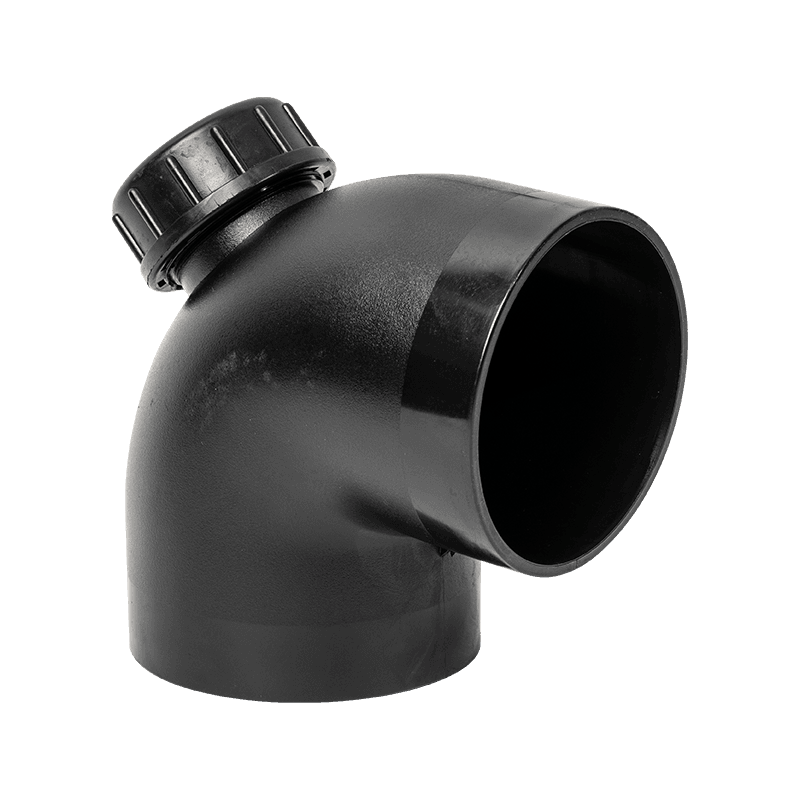
Electrofusion elbows are essential when pipelines need to change direction.
Classification: The most commonly used specifications are 90° and 45°.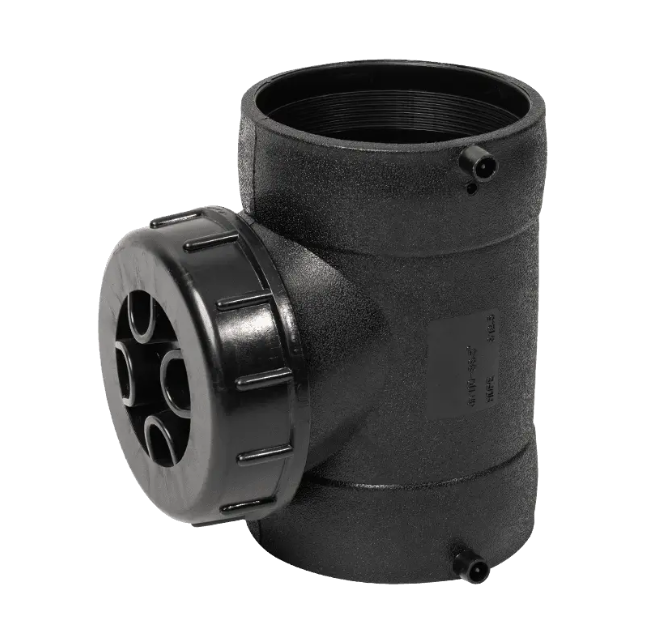
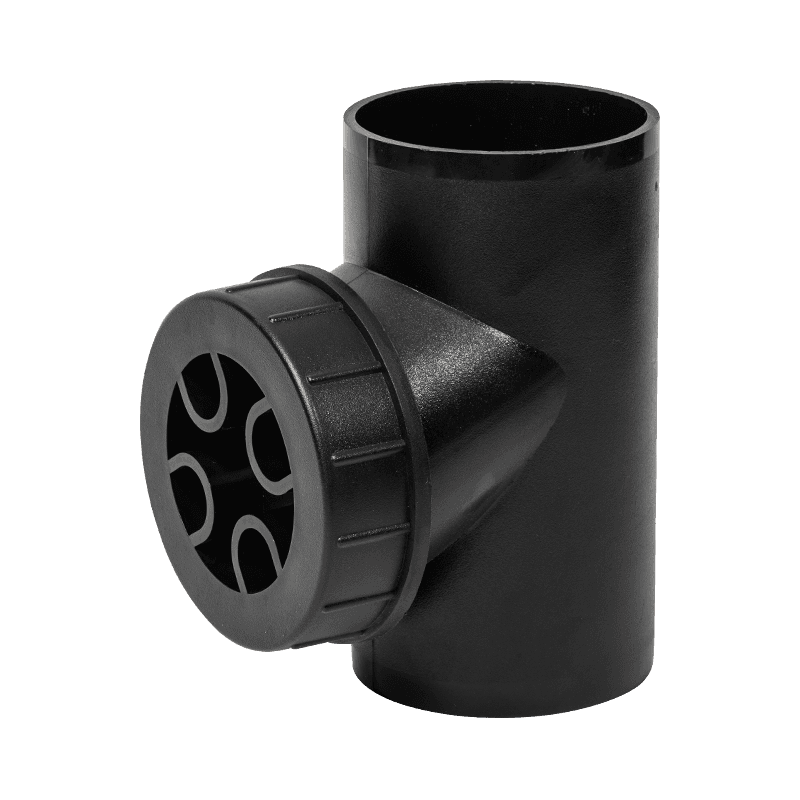
Used for pipeline branching or connection.
Advantages: electrofusion fitting connections effectively ensure the mechanical strength at the branch point.
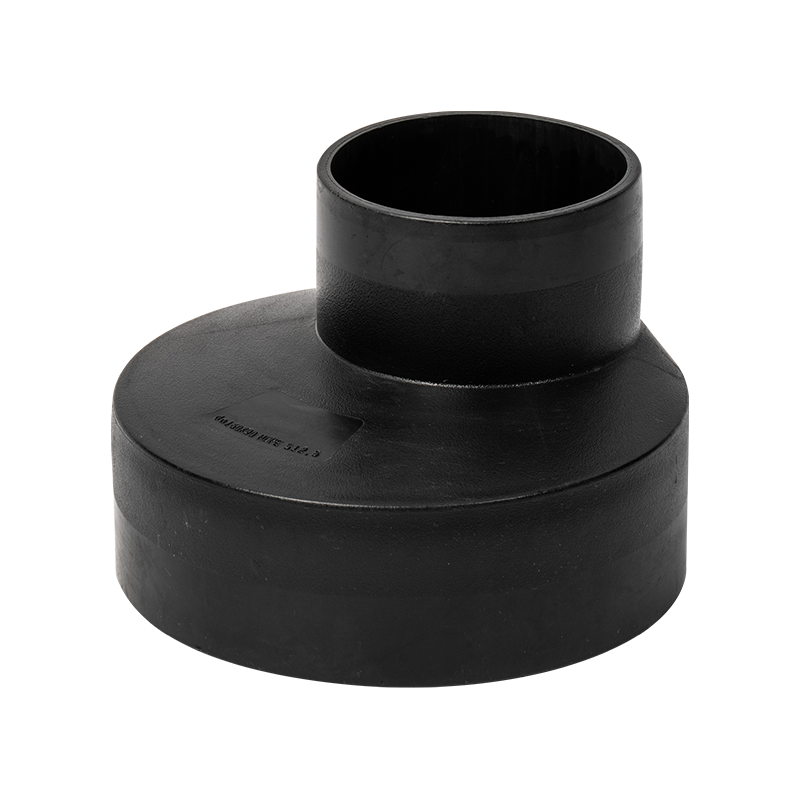
Electrofusion reducers are used for transitions when the pipeline diameter needs to change from large to small. It ensures stable fluid flow and reduces local resistance.
This is a highly technologically advanced member of the electrofusion fitting family.
Function: To connect branch pipes directly to the side of the main pipe without cutting off the main pipe.
Scenario: Widely used in pressurized tapping operations for water and gas companies.
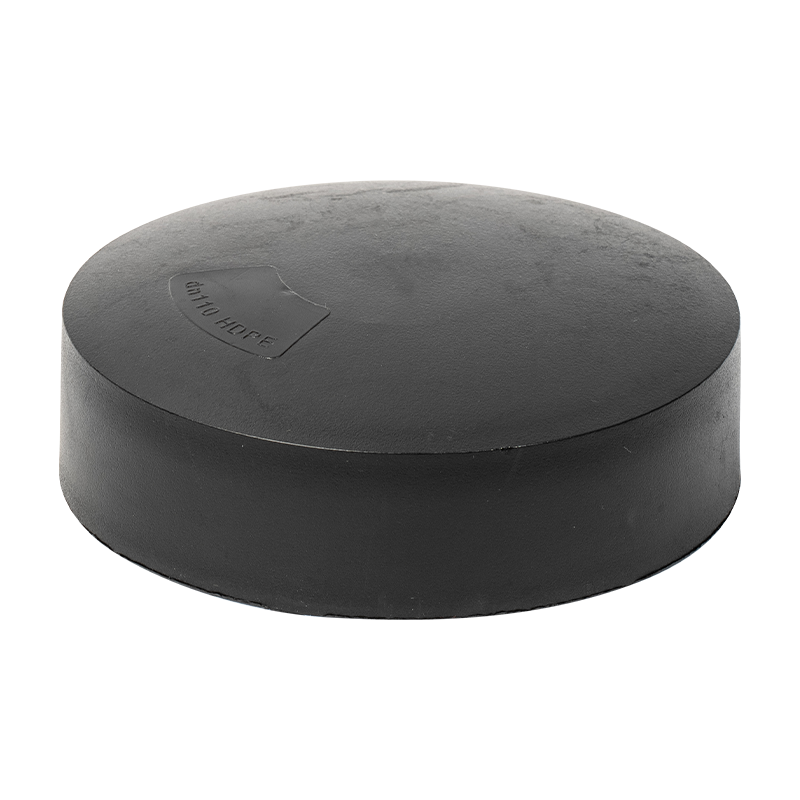
Used for temporary or permanent sealing of pipe ends to ensure a leak-proof pipeline system.
As a purchaser or contractor, when selecting electrofusion fittings, in addition to focusing on the type, you should also pay attention to the following points:
Understanding common electrofusion fitting types is the first step in ensuring project quality. Different specifications and types of electrofusion fittings play an irreplaceable role in water supply, gas, chemical, and mining industries.
As a manufacturer with many years of experience in the electrofusion fitting industry, we offer a full range of HDPE electrofusion fittings, including standard sleeves, elbows, tees, and customized special parts. If you have any questions about electrofusion fitting prices or electrofusion welding processes, please feel free to contact us; we will provide you with professional technical support.
 General Manager Mr.Song +86-18868665013 / Miss Zhou +86-13757458992
 International Sales Manager: Jim Yao +86-18968349877
 +86-574-62939789
 Wechat/WhatsApp: +86-18968349877
 [email protected]; [email protected]
 No. 147 Dushan, Sanqi Town, Yuyao City, Zhejiang Province
Copyright © Ningbo Heqi Pipe Co., Ltd. All rights reserved. Wholesale Drainage Pipes Manufacturer Drainage Fittings Supplier



 EN
EN

 English
 中文简体
中文简体