 2025.12.12
 Industry News
Content
In modern buildings, especially large rooftops, factories, and stadiums, efficient and reliable drainage systems are crucial. Traditional gravity-flow drainage is often inefficient and space-consuming. However, with technological advancements, a revolutionary solution—PE siphon pipes—is becoming the new industry standard.
To understand the function of PE siphon pipes, we must first understand the siphon drainage system they serve.
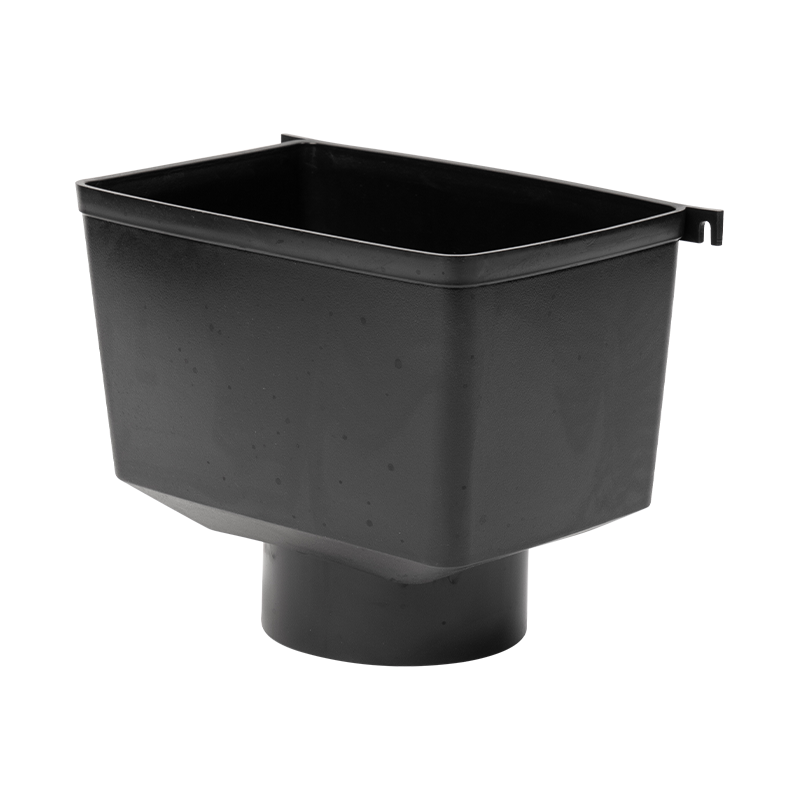
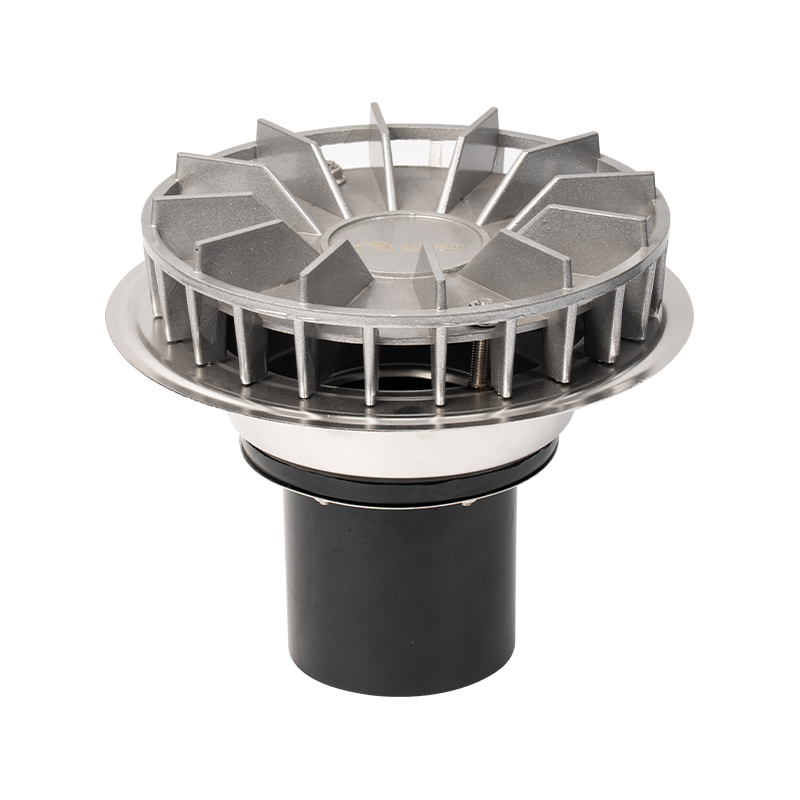
This is the most important function of PE siphon pipes. Unlike traditional gravity drainage systems that rely on slope and air, siphon systems, through special pipe design (including dedicated siphon rainwater inlets) and precise hydraulic calculations, utilize the negative pressure generated by the difference in elevation between the roof and the pipes to create a powerful siphon effect under full-pipe flow conditions.
Specific functions: Significantly increases drainage speed and flow rate, rapidly emptying large amounts of rainwater from the roof, effectively preventing roof overload and even structural risks caused by water accumulation.
Due to its high efficiency, PE siphon pipes significantly reduce the number and diameter of risers required in the entire drainage system.
Specific Functions: All horizontal manifolds can be laid without slope or with a slight slope, and can even be laid along roofs or under beams, greatly simplifying the pipe network and saving valuable vertical and horizontal space.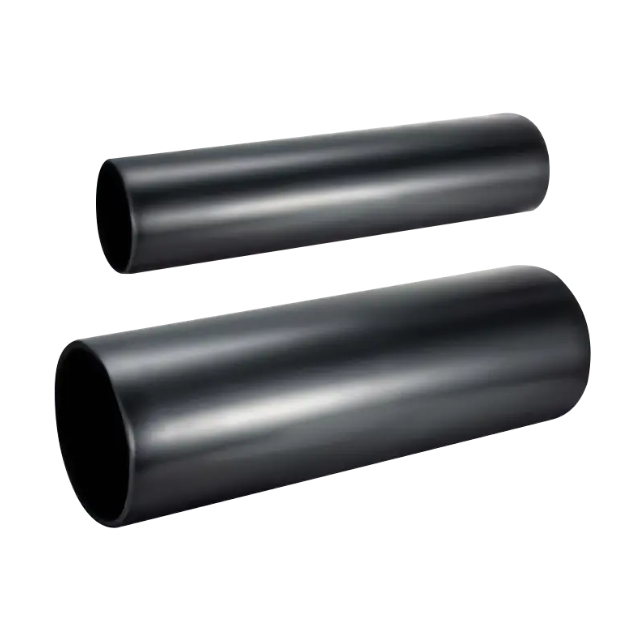
PE pipes have excellent chemical corrosion resistance and are unaffected by environmental factors such as acids, alkalis, and salts.
Additional Benefits: Ensures long-term stable operation of the system, reduces the frequency of maintenance and replacement, and is particularly suitable for coastal areas or industrial plant roofs with pollution emissions.
PE material is lightweight and has good flexibility, allowing for seamless connection of pipes and fittings through hot-melt or electrofusion connections.
Additional benefits: Convenient and quick construction, high connection strength, and excellent sealing ensure a leak-proof drainage system, effectively avoiding the risk of leakage.
The efficient siphon system can concentrate and quickly transport rainwater to designated locations.
Additional benefits: Combined with modern rainwater harvesting facilities, rainwater resources can be effectively utilized for landscaping, toilet flushing, road cleaning, etc., meeting the requirements of modern green building and sustainable development.
PE siphon pipes are an ideal drainage solution for modern buildings.
In summary, the role of PE siphon pipes is not merely to "guide rainwater," but also to optimize building space, reduce construction difficulty, and provide a foundation for rainwater harvesting and utilization by constructing an efficient siphon drainage system, ensuring roof safety.
Thanks to the excellent properties of high-density polyethylene material, PE siphon pipes have become an indispensable contributor to solving roof drainage problems and constructing safe and efficient drainage systems in modern large-scale building projects.
 General Manager Mr.Song +86-18868665013 / Miss Zhou +86-13757458992
 International Sales Manager: Jim Yao +86-18968349877
 +86-574-62939789
 Wechat/WhatsApp: +86-18968349877
 [email protected]; [email protected]
 No. 147 Dushan, Sanqi Town, Yuyao City, Zhejiang Province
Copyright © Ningbo Heqi Pipe Co., Ltd. All rights reserved. Wholesale Drainage Pipes Manufacturer Drainage Fittings Supplier



 EN
EN

 English
 中文简体
中文简体