 2025.12.05
 Industry News
Content
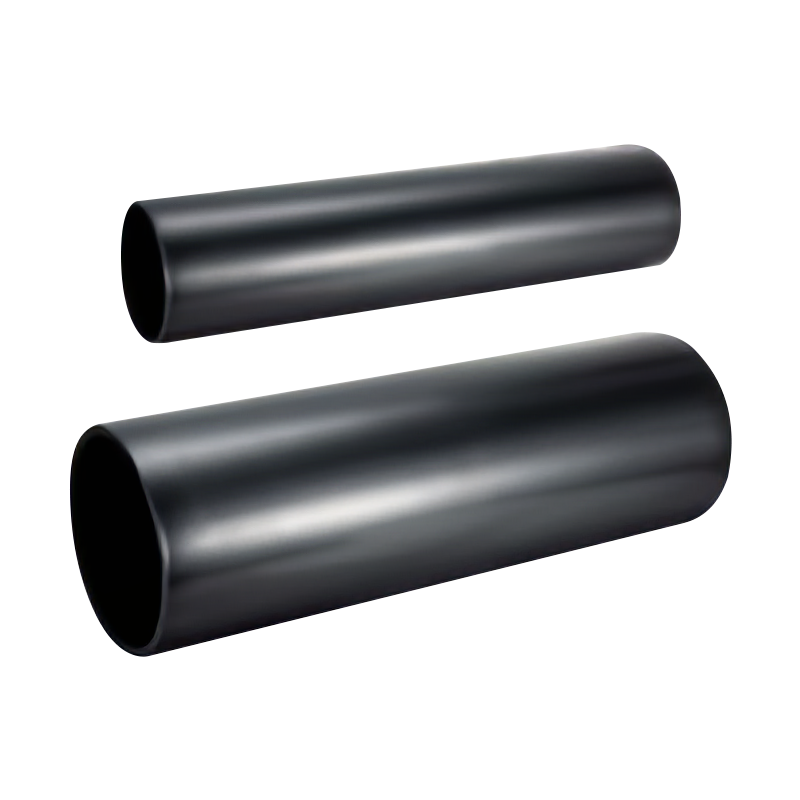
In modern construction, municipal engineering, and industrial applications, choosing the right piping material is a crucial decision. Among the many options, HDPE pipes (high-density polyethylene pipes) and PVC (polyvinyl chloride) pipes are two of the most common choices.
PVC pipes are known for their high strength and rigidity, making them excellent for direct burial applications requiring high internal pressure. However, this rigidity is also their weakness.
In contrast, HDPE pipes are made of a thermoplastic that offers superior flexibility and toughness.
Advantages of HDPE pipes: High-density polyethylene pipes have remarkable crack resistance and impact resistance. In earthquake-prone areas or areas experiencing geological subsidence, HDPE pipes can bend with soil movement without easily breaking. This flexibility also makes them easier to install, allowing them to be laid along winding paths.
The "robustness" of a pipe refers not only to its immediate impact resistance but, more importantly, its long-term fatigue resistance and durability.
Advantages of HDPE Pipes: The molecular structure of HDPE pipes gives them excellent resistance to stress cracking. This means that under continuous internal pressure fluctuations or temperature changes, they are less prone to crack propagation and fatigue failure than PVC pipes. Furthermore, HDPE pipes are generally considered to have a service life of over 50 years, making them ideal for underground infrastructure.
Limitations of PVC: Although PVC is rigid, prolonged exposure to ultraviolet light (without added protective agents) or continuous impact can cause the material to become brittle, making it more susceptible to brittle fracture during long-term use.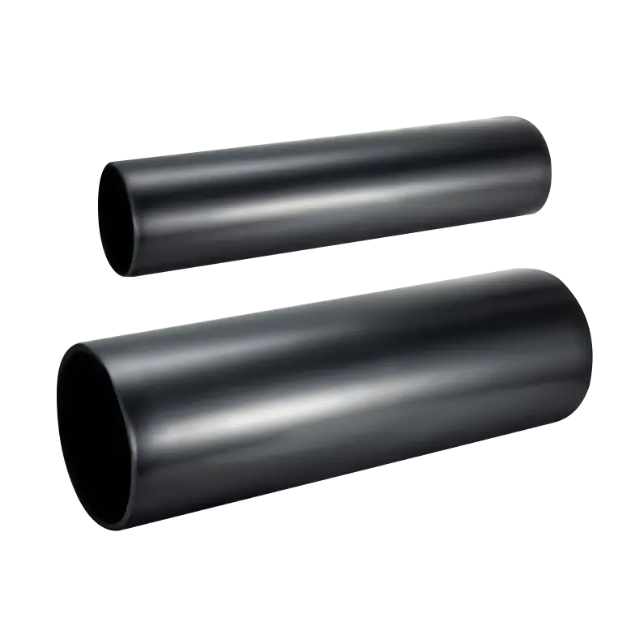
The robustness of a piping system largely depends on the reliability of its connection points. HDPE and PVC pipes employ drastically different technologies in this regard, which is a key factor contributing to the difference in system integrity.
Advantages of HDPE Pipe (High-Density Polyethylene Pipe) Connections:
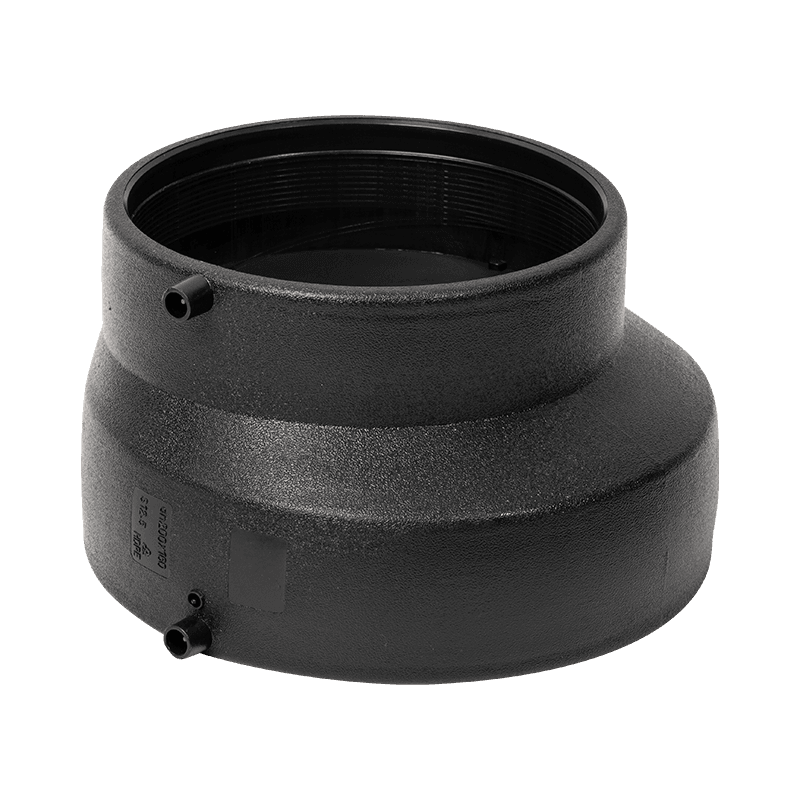
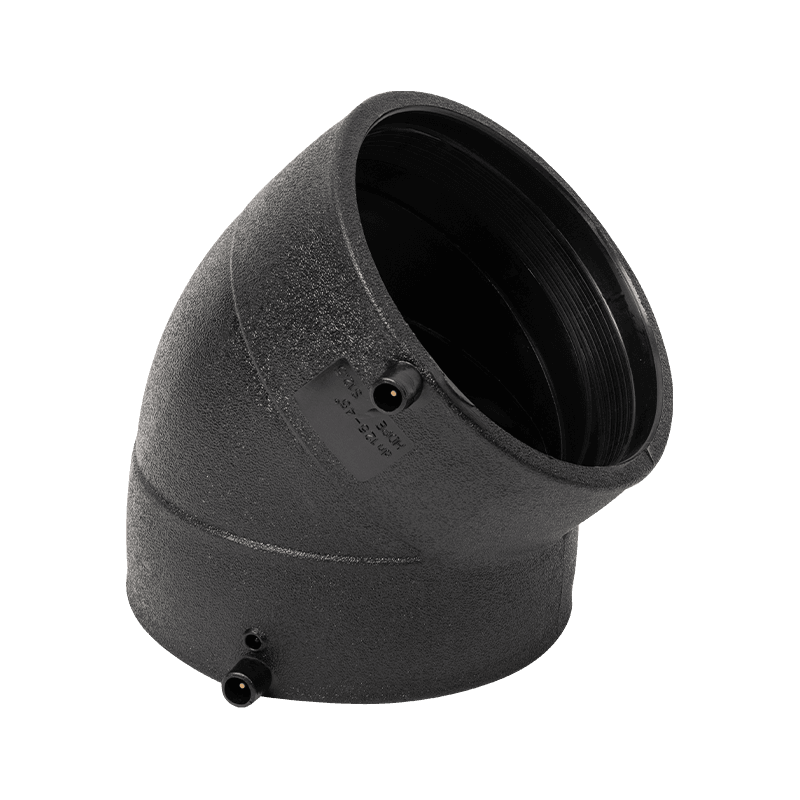
Connection Methods: Primarily uses butt fusion (or socket fusion) and electrofusion connection technologies.
Connection Strength and Sealing: The pipe ends are melted by heating, then cooled under pressure, achieving integration between the connection and the pipe body. This leak-free connection method ensures that the strength of the connection point is the same as that of the pipe body, which is key to achieving highly reliable water and gas transmission systems.
PVC pipe connection characteristics:
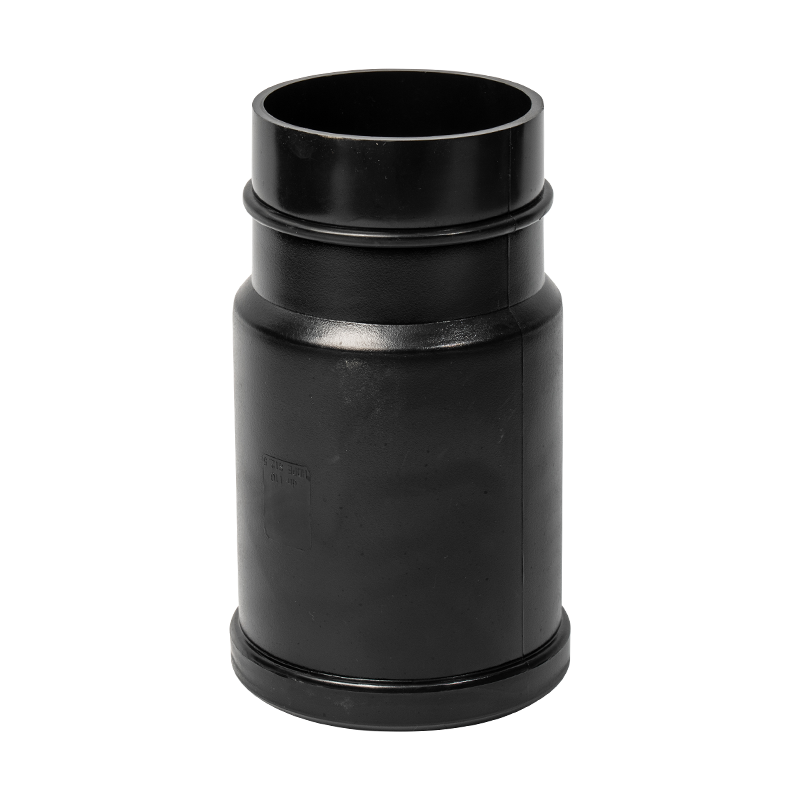
Connection methods: Primarily rely on solvent bonding (adhesive connections) or mechanical connections (such as flanges, rubber rings).
Connection strength and sealing performance: The strength of solvent bonding depends on the quality of the adhesive itself and the operator's workmanship. Although the sealing performance is good, the connection point itself is a weak point different from the pipe body material, easily affected by the construction quality, and is a potential leakage risk point.
HDPE pipes, through integrated heat fusion butt welding, eliminate the risk of the connection point being a weak link, making it exhibit superior robustness when pursuing absolute system safety (especially in high-risk applications such as gas transmission).
Due to its superior physical and chemical properties, HDPE pipes are increasingly used in a wide range of applications, including:
HDPE pipes exhibit high resistance to a variety of chemicals, making them a safer choice for transporting industrial liquids and waste.
To answer the question, "Are HDPE pipes stronger than PVC pipes?", the answer is yes, but it depends on how you define "strong."
If "strong" means rigidity and resistance to deformation under high hydrostatic pressure, PVC performs better.
If "strong" means toughness, resistance to stress cracking, impact resistance, flexibility, and leak-free system integrity (achieved through heat fusion bonding), then HDPE pipes are undoubtedly a stronger and more durable choice.
For projects seeking long lifecycles, low maintenance costs, and high reliability, choosing high-density polyethylene pipes is a wise investment for the future. When selecting pipe materials, always consider the specific project requirements and environmental conditions in order to fully realize the great potential of HDPE pipes.
 General Manager Mr.Song +86-18868665013 / Miss Zhou +86-13757458992
 International Sales Manager: Jim Yao +86-18968349877
 +86-574-62939789
 Wechat/WhatsApp: +86-18968349877
 [email protected]; [email protected]
 No. 147 Dushan, Sanqi Town, Yuyao City, Zhejiang Province
Copyright © Ningbo Heqi Pipe Co., Ltd. All rights reserved. Wholesale Drainage Pipes Manufacturer Drainage Fittings Supplier



 EN
EN

 English
 中文简体
中文简体