 2026.04.17
 Industry News
Content
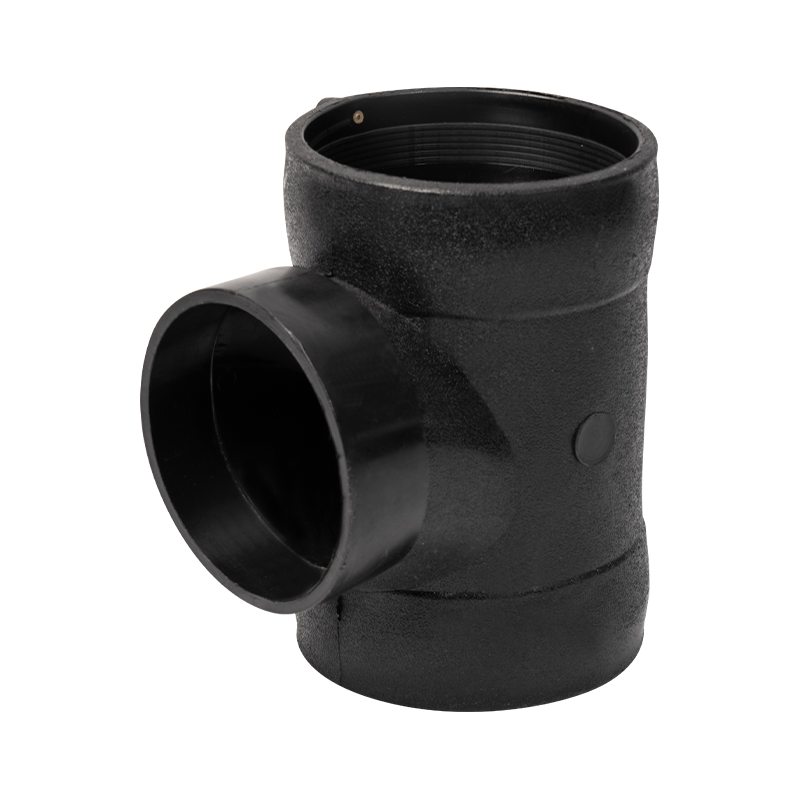
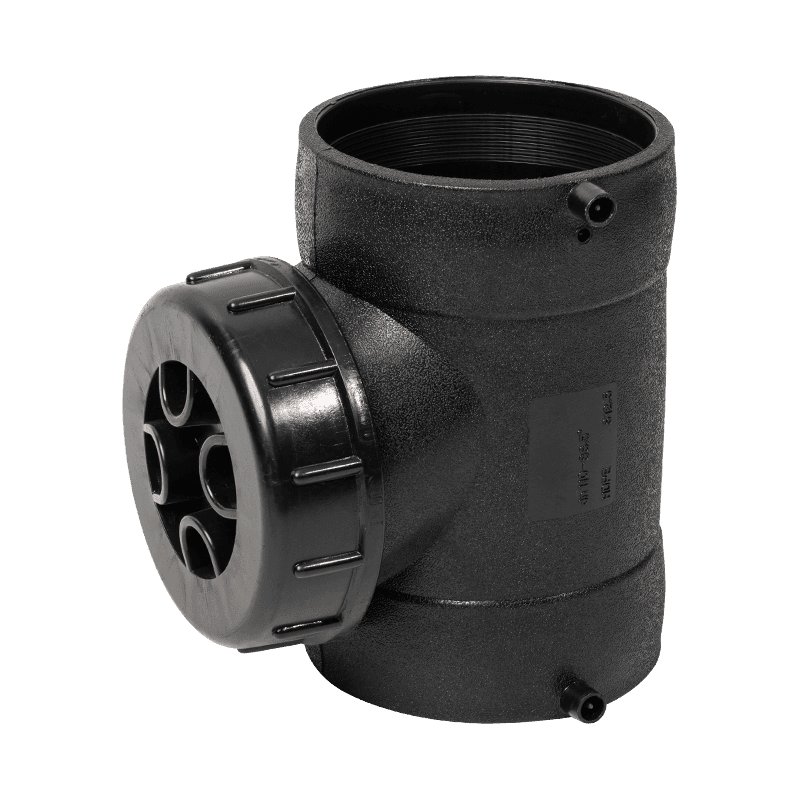
A PE hot melt pipe fitting is a polyethylene connector component that joins sections of PE pipe using heat — without adhesives, solvents, or mechanical sealing materials. The fitting and the pipe end are both heated to the melting temperature of the polyethylene material, then pressed together and allowed to cool. As the molten surfaces fuse and resolidify, they form a single monolithic bond that is as strong as the pipe material itself and completely impermeable to the fluid being carried. PE hot melt fittings are the preferred connection standard for water supply, gas distribution, agricultural irrigation, and industrial piping systems worldwide due to their reliability, corrosion resistance, and long service life.
Two primary hot melt connection methods are used with PE pipe fittings, each suited to different installation conditions and pipe sizes:
The pipe end and fitting face are simultaneously pressed against a heated flat plate at 200–230°C until both surfaces melt to a consistent depth. The plate is then removed and the two molten surfaces are pressed together under controlled pressure and held still while the polyethylene cools and re-solidifies. The resulting joint has no seam, no internal restriction, and a tensile strength that equals or exceeds the pipe wall material. Butt fusion is standard for larger diameter pipes (typically 63 mm and above) in municipal water and gas infrastructure.
A specialized socket tool simultaneously heats the outside of the pipe end and the inside of the fitting socket to melt temperature. The tool is removed and the pipe is immediately pushed into the fitting socket before re-solidification occurs. The two surfaces fuse as they cool together inside the socket. This method is widely used for smaller diameter systems (up to 63 mm) and produces flexible, reliable joints for plumbing, irrigation, and drainage applications where direction changes, branches, and transitions are needed.
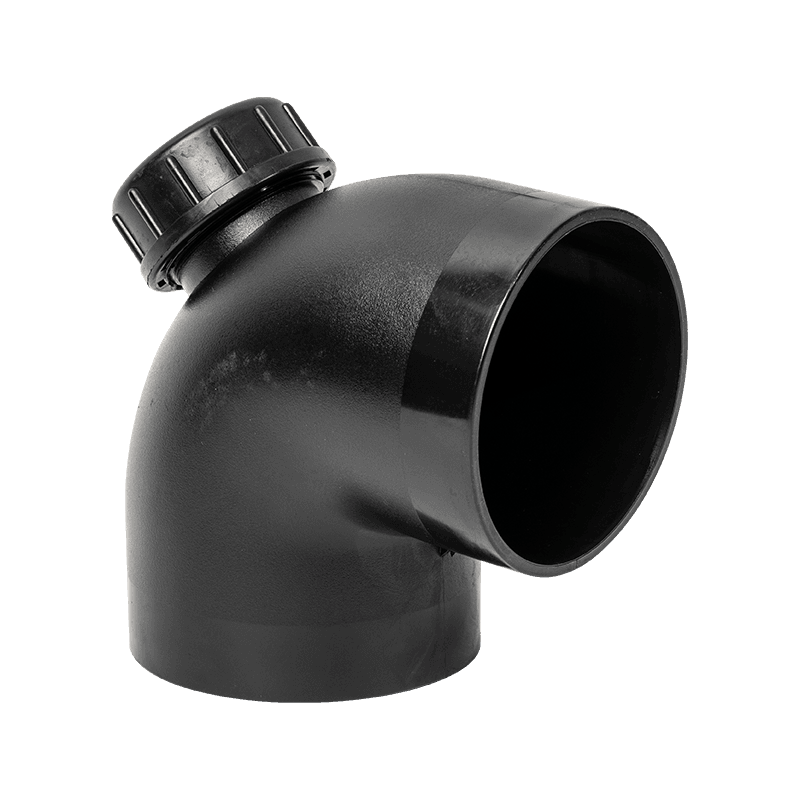
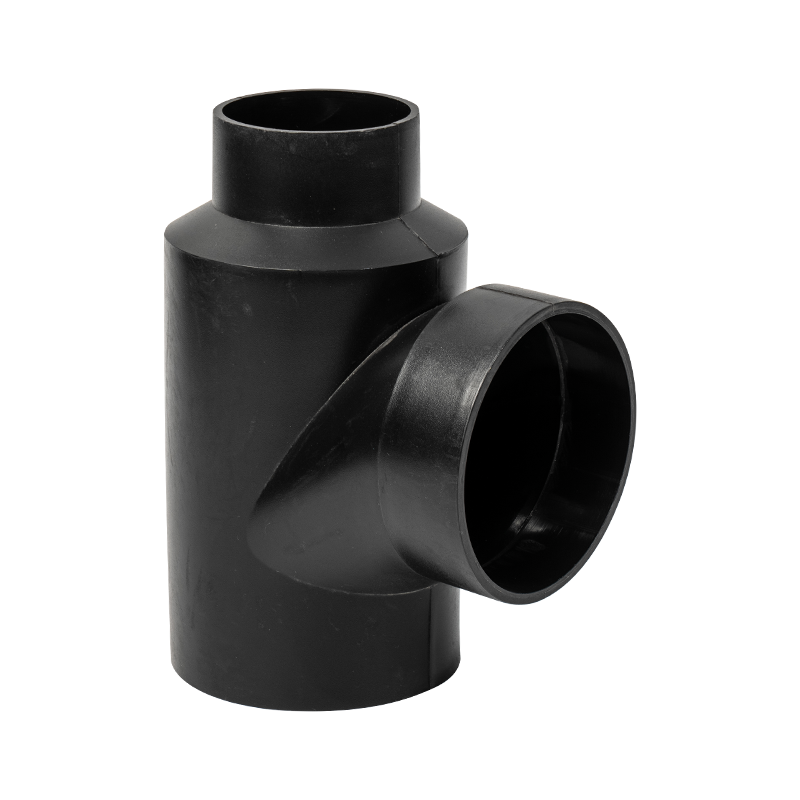
The PE hot melt fitting range covers all the connection geometries needed to build complete pipeline systems:
PE hot melt fittings are manufactured in different material grades classified by their long-term hydrostatic strength. The two grades in current active use are:
| Grade | MRS Rating | Max Pressure (SDR11) | Primary Application |
|---|---|---|---|
| PE80 | 8.0 MPa | Up to 14.5 bar | Water supply, medium-pressure gas, irrigation |
| PE100 | 10.0 MPa | Up to 18 bar | Municipal mains, high-pressure industrial, gas trunk lines |
PE hot melt fittings are an indispensable connection component across a wide range of industries and infrastructure types:
Recommended Products
 General Manager Mr.Song +86-18868665013 / Miss Zhou +86-13757458992
 International Sales Manager: Jim Yao +86-18968349877
 +86-574-62939789
 Wechat/WhatsApp: +86-18968349877
 [email protected]; [email protected]
 No. 147 Dushan, Sanqi Town, Yuyao City, Zhejiang Province
Copyright © Ningbo Heqi Pipe Co., Ltd. All rights reserved. Wholesale Drainage Pipes Manufacturer Drainage Fittings Supplier



 EN
EN

 English
 中文简体
中文简体