 2026.07.03
 Industry News
Content
HDPE Electrofusion Fittings are used across municipal water supply, natural gas distribution, industrial process piping, agricultural irrigation, drainage infrastructure, mining dewatering, and siphon drainage systems — anywhere a pipeline demands a permanently leak-free joint that resists pressure, chemical attack, and ground movement. The electrofusion process bonds the fitting and pipe into a monolithic joint by melting their mating surfaces together using an embedded resistance wire, producing a connection with joint strength equal to or exceeding the parent pipe material and a leakage rate below 1%. The sections below examine each application area in practical depth, with specific data and engineering context.
Potable water distribution is one of the largest and most demanding application areas for HDPE electrofusion fittings. Municipal water mains operate under continuous pressure — typically 0.4 to 1.0 MPa in residential distribution networks and up to 1.6 MPa in trunk mains — and must maintain water quality standards that prohibit any leaching of contaminants from pipe or fitting materials into the water supply.
HDPE is approved for contact with potable water under NSF/ANSI 61 (the North American standard for drinking water system components) and the equivalent European standard EN 12201. The electrofusion joint adds no material to the pipe bore — the fused zone is simply the parent HDPE material of the pipe and fitting, melted together. This means the joint does not compromise the chemical inertness of the system, which is critical for water quality compliance.
Non-revenue water (NRW) — water lost through leakage before it reaches the consumer — is a major cost for water utilities. The International Water Association (IWA, Water Loss Task Force, 2021) estimated that global NRW averages approximately 35% of water produced, with joint failures in older pipe materials (cast iron, asbestos cement, PVC with rubber ring joints) being a primary cause. Replacing deteriorated sections with HDPE pipe joined with electrofusion fittings reduces joint leakage to below 0.01 mL/hour per joint under standard test conditions — effectively zero compared with the allowable leakage rates of most rubber ring joint systems.
Electrofusion saddle tees and service clamps allow live tapping of water mains — creating a new service connection without shutting down the main line. This reduces service disruption to existing customers and avoids the cost of system depressurization, pressure management, and restarting procedures. Electrofusion saddles in sizes from DN 63 to DN 630 are routinely used for this purpose in modern water utility practice.
HDPE pipe joined with electrofusion fittings is the dominant pipeline material for buried natural gas distribution networks operating at pressures up to 4 bar (0.4 MPa) in low-pressure networks and up to 10 bar (1.0 MPa) in medium-pressure systems, in accordance with standards such as ISO 4437 and EN 1555. The gas distribution industry adopted electrofusion jointing because it produces a joint that is genuinely leak-free — a critical requirement given the explosion and fire hazard of gas leaks — and because the process is controllable and traceable in a way that traditional butt fusion or solvent cement joints are not.
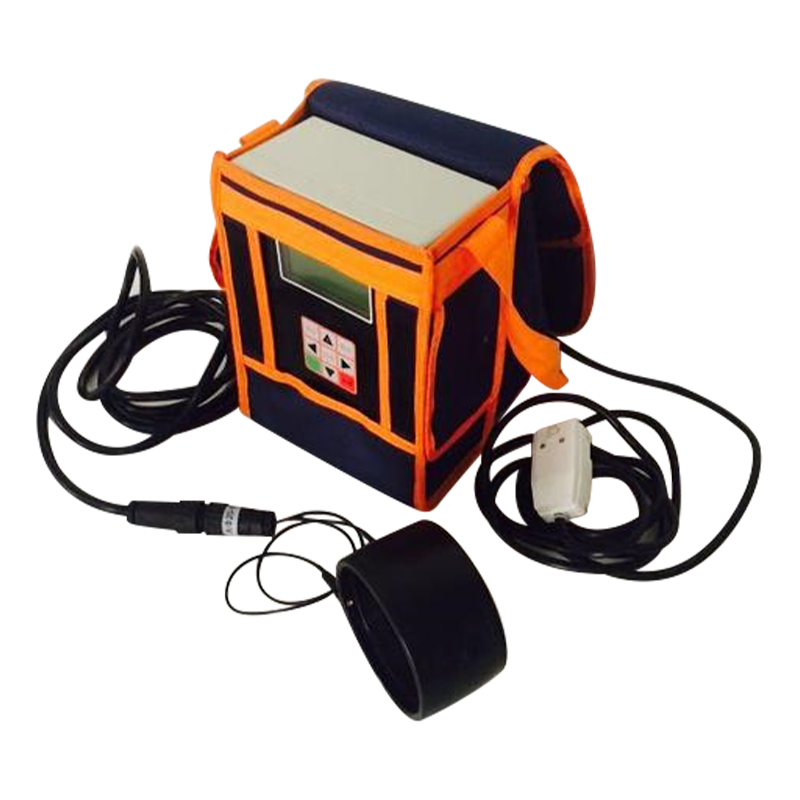
Modern electrofusion controllers read a barcode or datamatrix code on the fitting and automatically apply the correct voltage and fusion time for that specific fitting size and type. The controller stores a complete fusion log — fitting serial number, fusion parameters applied, ambient temperature, date, and time — that can be downloaded and archived as a quality record. This traceability is a regulatory requirement in many gas utility specifications, including the UK Gas Industry Standard IGE/TD/3 and equivalent documents in other jurisdictions.
When a section of an existing gas main requires repair due to corrosion, mechanical damage, or joint failure, electrofusion repair sleeves and full-encirclement clamps allow the repair to be completed on a pressurized line in many cases, avoiding the cost of full line shutdown and gas management. An electrofusion repair sleeve fitted over a damaged section fuses to the pipe exterior, restoring full pressure containment without reducing the bore diameter of the pipe.
Many industrial processes generate or handle liquids that are corrosive to metal piping — acids, alkalis, oxidizing agents, saline solutions, and process water containing dissolved chlorine or other reactive species. HDPE has a chemical resistance profile spanning pH 1 to pH 14 for most common industrial chemicals, and electrofusion fittings extend this resistance across the entire pipeline system including all joints.
In chemical plants handling sulfuric acid, hydrochloric acid, sodium hydroxide, or sodium hypochlorite solutions, HDPE piping with electrofusion joints replaces stainless steel, FRP (fiberglass-reinforced plastic), or lined steel pipe in many applications. The elimination of flanged joints — which require gaskets that degrade in aggressive chemical environments — reduces the number of potential leak points. A continuous welded HDPE system using electrofusion couplings, elbows, and tees has no gasketed connections along the buried or embedded pipe run, limiting leak risk to the fused joints themselves.
Power stations, petrochemical complexes, and manufacturing facilities use large volumes of cooling water that cycle through heat exchangers and cooling towers. The cooling water often contains dissolved salts, biocides, and scale inhibitors that attack carbon steel and cast iron. HDPE piping with electrofusion joints is increasingly used for cooling water distribution at these facilities, particularly for buried or embedded sections where future access for inspection or repair would be difficult.
In pharmaceutical manufacturing and food processing environments where contamination of the product stream is a critical quality and regulatory concern, HDPE piping offers the advantage of a smooth bore with no internal crevices, no corrosion products, and no requirement for internal coatings or linings that could delaminate. Electrofusion joints in these applications are made using fittings that comply with FDA regulations and EU food contact material standards, confirming that no regulated substances migrate from the fitting material into the process fluid.
Irrigation systems are among the most extensive pipeline networks in existence — a large agricultural operation may have hundreds of kilometers of buried irrigation mainline — and the cost-effectiveness of the piping system over a 30 to 50 year design life is a critical business consideration for farm operators.
HDPE pipe with electrofusion fittings is used for buried irrigation mains operating at pressures of 0.4 to 0.8 MPa, connecting pumping stations to field distribution networks. The jointing method is preferred over push-fit rubber ring joints in these applications because electrofusion joints resist the angular deflection and joint pullout that can occur in unstable agricultural soils subject to shrink-swell cycles from seasonal moisture variation.
Drip irrigation systems delivering water at low pressure to root zones require a distribution header that can be branched repeatedly without creating leak points. Electrofusion saddle tees and branch saddles allow new drip lines to be added to an existing buried header without excavating and cutting the pipe — the saddle is fused to the exterior of the pipe and a cutter drills through the pipe wall inside the fitting, all without depressurizing the system.
Many rural and remote communities are served by small-diameter HDPE water mains laid over long distances across agricultural land. The electrofusion joining method is particularly well-suited to these projects because it does not require skilled welders or heavy equipment — a trained operator with a portable fusion controller can make consistent, code-compliant joints in field conditions without power tools beyond the controller itself.
One of the most technically demanding applications for HDPE electrofusion fittings is in siphon drainage systems used for large-roof and hard-surface stormwater evacuation. Siphon drainage operates under sub-atmospheric (negative) pressure — typically between -0.07 and -0.09 MPa below atmospheric — which generates a siphonic flow condition that evacuates water from large roof areas at very high velocity, commonly 3 to 6 m/s, through relatively small pipe diameters.
In a siphon system, any joint that admits air immediately breaks the siphon effect and collapses the system's flow capacity, potentially flooding the roof it is designed to drain. Electrofusion joints are the jointing method of choice for siphon drainage because their fused bond is genuinely airtight — not dependent on a compressed elastomeric seal that could relax or be displaced by vibration or thermal movement.
The HDPE Electrofusion Fittings available through Heqi Pipe's PE Siphon Drainage Pipe Series are engineered specifically for this application, combining precision-dimensioned fittings compliant with CJ/T 250-2007 with the electrofusion jointing technology required to maintain siphonic system integrity under the cyclic negative pressure loads experienced during heavy rainfall events.
Commercial and industrial buildings with large flat or low-pitch roofs — warehouses, shopping centers, factories, airport terminals — are prime candidates for siphon drainage because the conventional gravity drainage alternative would require much larger pipe diameters and more numerous downpipes to handle peak rainfall rates. A siphon system can evacuate the same volume of water with pipe diameters 40 to 60% smaller than a gravity system, reducing material cost and the number of penetrations through the roof membrane (Source: ASPE Plumbing Engineering Design Handbook, Vol. 3, 2018).
Buried stormwater collection networks beneath roads, parking areas, and urban hardstanding also benefit from HDPE electrofusion fittings. The joint flexibility achieved through the fused monolithic connection allows the pipeline to accommodate differential settlement without joint opening — a failure mode that frequently affects rubber ring jointed concrete or PVC stormwater pipes in areas of variable fill compaction or subsidence.
Mining operations — both open-cut and underground — generate large volumes of water from groundwater inflow, process water, and precipitation that must be continuously removed to maintain safe working conditions. HDPE piping with electrofusion joints has largely replaced steel pipe in mine dewatering applications because of its superior resistance to the abrasive, acidic, and chemically contaminated water found in most mining environments.
Sulfide ore bodies generate sulfuric acid when exposed to water and oxygen during mining operations, creating acid mine drainage (AMD) with pH values as low as 2 to 3 and high concentrations of dissolved heavy metals. Steel pipe corrodes rapidly in these conditions, requiring frequent replacement. HDPE pipe and electrofusion fittings are unaffected by AMD across this pH range, providing a service life of 50 years or more in chemical conditions that would destroy steel pipe within 5 to 10 years.
Underground mine dewatering systems may operate at pressures of 1.5 to 2.5 MPa where deep lift pumps discharge against high static head. PE100 HDPE pipe with electrofusion fittings — using pressure-rated fittings in SDR 7.4 or SDR 9 wall thickness — provides the pressure capability needed for these applications while remaining far lighter than the steel pipe it replaces, reducing the cost and difficulty of underground pipe handling in confined headings and drives.
Mine tailings — the fine-ground waste material from ore processing — are transported as a slurry through pipelines to tailings storage facilities. The combination of abrasive particles and acidic or alkaline process water creates a challenging internal environment. HDPE's smooth bore reduces turbulent flow-induced abrasion compared with corrugated or rough-surfaced alternatives, and electrofusion joints create a continuous internal surface with no stepped protrusions at joint locations that would accelerate local wear.
In oil and gas production fields, gathering systems collect produced water, natural gas, and in some cases crude oil from individual wellheads and transport them to central processing facilities. These pipelines are often buried in remote areas with minimal ongoing maintenance access, making joint reliability over a 20 to 30 year field life a critical design requirement.
Produced water — the highly saline water that comes up with oil and gas from the reservoir — is one of the largest waste streams in the petroleum industry. It must be collected and either re-injected into disposal wells or treated for surface discharge. HDPE electrofusion fittings are used extensively in produced water gathering systems because HDPE resists the high salinity, dissolved hydrocarbons, and treatment chemicals present in produced water without the external corrosion protection required for steel pipe in buried service.
Coalbed methane (CBM) extraction requires dewatering of the coal seam before gas can flow at commercial rates. The dewatering water is collected through a network of surface pipelines connecting individual CBM wells. Because CBM fields often cover large areas of agricultural land where minimal surface disruption is required, the ability to install HDPE electrofusion-joined pipe in narrow trenches with minimal equipment is a significant operational advantage.
Electrofusion fittings play a critical enabling role in trenchless pipeline installation methods — techniques that install new pipe or rehabilitate existing pipe without continuous open trenching. These methods have become increasingly important in urban areas where excavation is disruptive, costly, and subject to extensive regulatory control.
HDD installs a continuous string of HDPE pipe beneath roads, railways, rivers, and buildings by drilling a pilot bore and pulling the pipe string through it. The pipe string must be assembled on the surface as a continuous welded string before pulling commences, and every joint in the string must be capable of withstanding the tensile pullback loads generated during installation — which can reach 200 kN or more for long crossings in difficult soil conditions (Source: ISTT International Society for Trenchless Technology, HDD Design Guidelines, 2020). Electrofusion couplings are used in these strings because the fused joint has the same tensile strength as the pipe wall itself, preventing joint separation during pullback.
Pipe bursting replaces deteriorated host pipe by pulling an expanding bursting head through it, fracturing the old pipe outward and simultaneously pulling a new HDPE pipe string into the resulting void. As with HDD, the HDPE string is pulled through under high tensile load, requiring joints of full pipe-body strength that only electrofusion or butt fusion can provide.
Sliplining inserts a continuous HDPE liner string into a deteriorated host pipe, restoring structural and hydraulic integrity without excavation. Electrofusion couplings join individual liner lengths on the surface into a continuous string before insertion. The resulting liner has no mechanical joints within the host pipe, eliminating any risk of joint displacement or leakage after installation.
The electrofusion fitting family encompasses a wide range of components, each designed to address a specific pipeline geometry or connection requirement. The table below summarizes the main fitting types and their primary applications.
| Fitting Type | Size Range | Primary Application | Key Advantage |
|---|---|---|---|
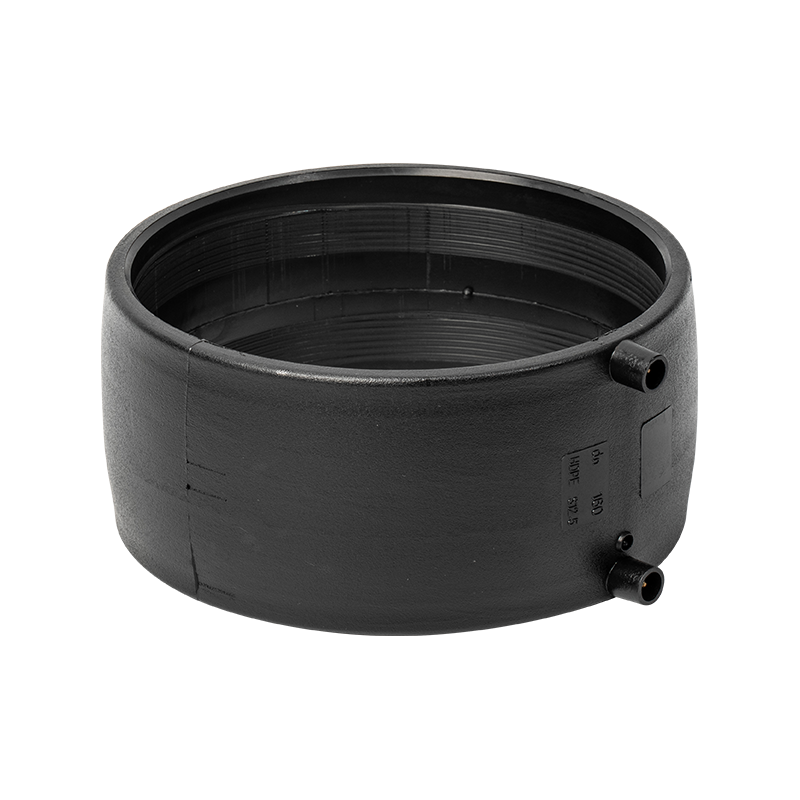
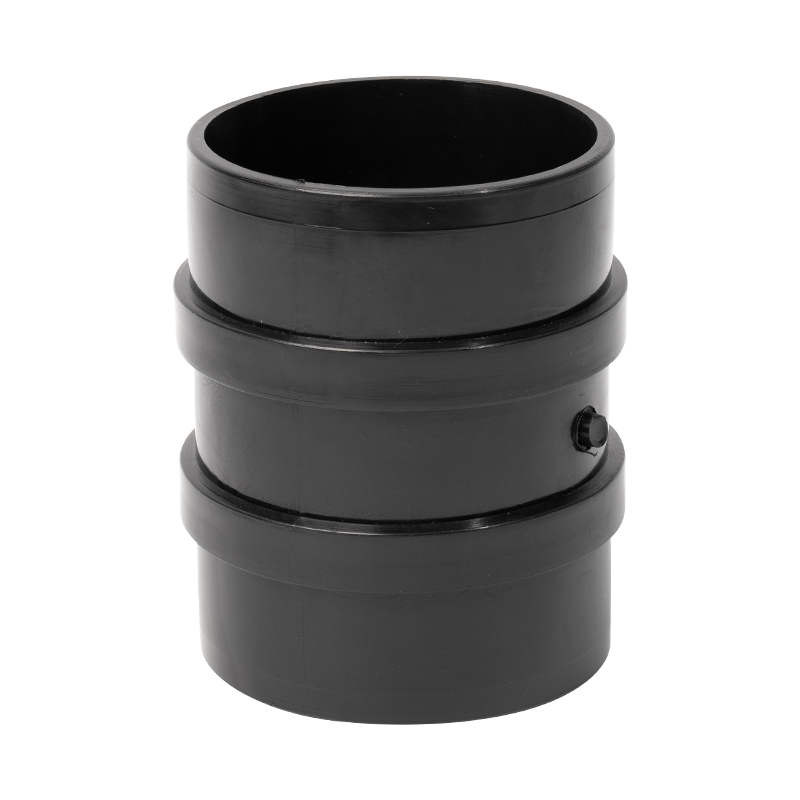
| Electrofusion Coupling (sleeve) | DN 20 - DN 630 | Straight pipe joining; repair of pipe sections | Full pipe-bore joint; no flow restriction |
| Electrofusion Elbow (45 deg / 90 deg) | DN 20 - DN 315 | Direction changes in buried networks | Precision-moulded angle; no wrinkling or flow loss |
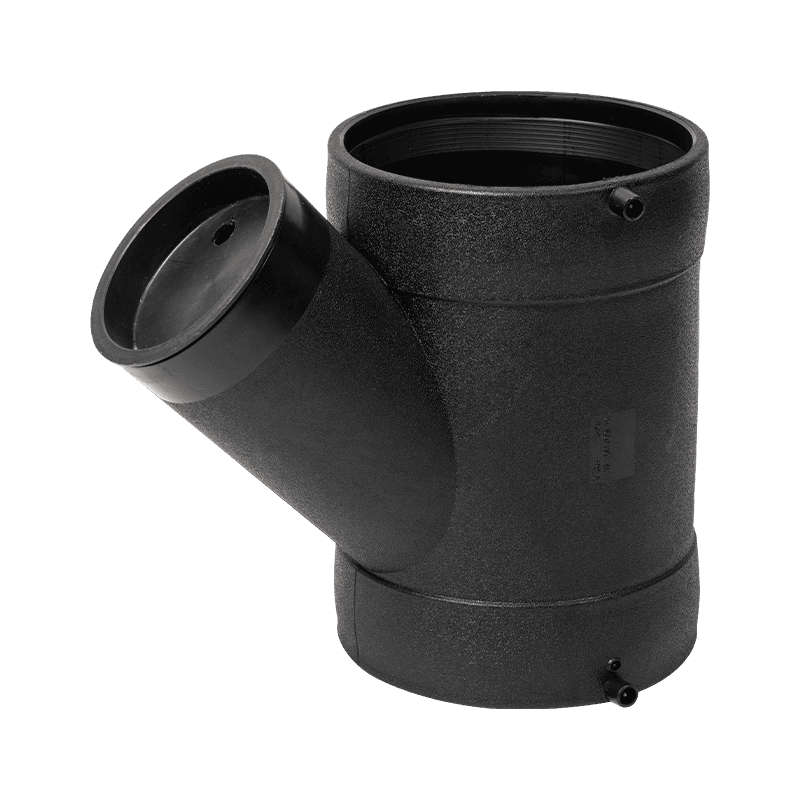
| Electrofusion Equal Tee | DN 20 - DN 400 | Branch connections at equal diameter | Three-way permanent joint without mechanical fittings |
| Electrofusion Reducing Tee | Mixed sizes DN 32-DN 315 | Branch offtake to smaller diameter service lines | Single fitting replaces tee plus reducer |
| Electrofusion Saddle Tee | Branch DN 20-DN 160 on main DN 63-DN 630 | Live tapping; new service connections on existing mains | No main shutdown required; cutter integrated |
| Electrofusion End Cap | DN 20 - DN 315 | Terminating pipe ends; pressure testing of sections | Permanent or temporary blind end |
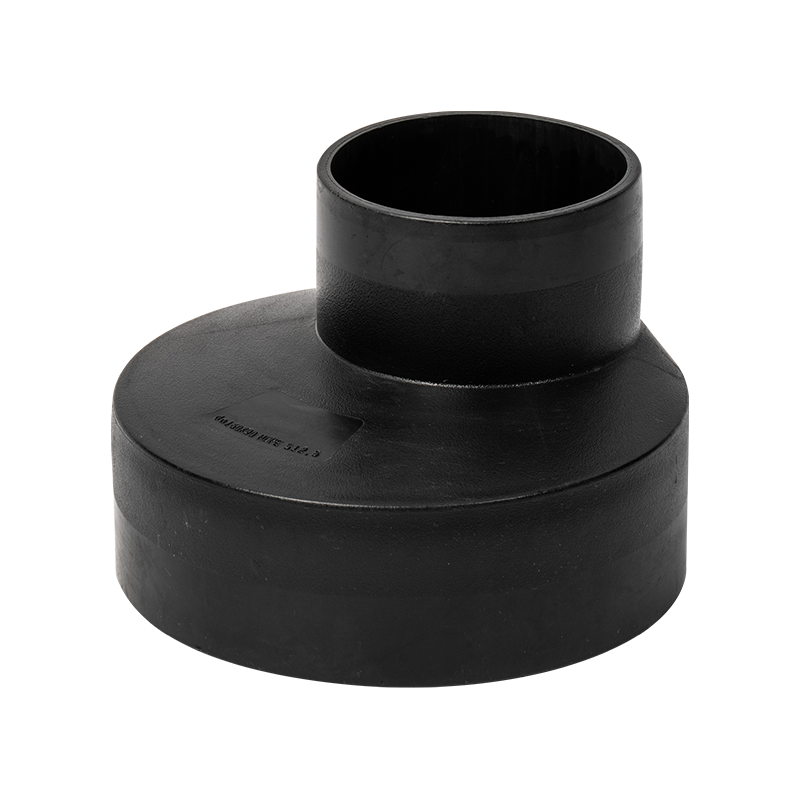
| Electrofusion Reducer (concentric / eccentric) | Mixed DN sizes | Diameter transitions; siphon drainage outlets | Eccentric type maintains flat soffit for drainage |
| Electrofusion Repair Clamp / Sleeve | DN 63 - DN 400 | Emergency repair of pipe damage on pressurized systems | Pressurized line repair without shutdown |
Understanding why electrofusion is specified rather than alternative jointing methods — such as butt fusion, mechanical compression fittings, or flanged connections — helps clarify why it is so prevalent across the application areas above.
A correctly made electrofusion joint has a leakage rate that is effectively zero under normal operating conditions. Industry test standards require joints to sustain internal hydrostatic pressure of 1.5 times the rated operating pressure for a minimum of 1 hour without visible leakage or pressure drop as a condition of product acceptance. Field performance data from water utilities that have adopted electrofusion joining confirm that jointing-related leaks in HDPE networks are rare compared with equivalent networks using rubber ring joints or solvent cement joints.
Destructive tensile testing of electrofusion joints consistently produces failure in the pipe body rather than at the joint — confirming that the fused zone is not a weak point in the system. This property is essential for HDD and pipe bursting applications where the joint is exposed to tensile loads during installation, and for buried pipelines in areas of active soil movement where differential settlement imposes bending and tensile stress on the pipeline.
Unlike solvent cement joining (which uses VOC-bearing solvents that require handling precautions and leave chemical residues in the joint) or lead-wiped joints used in older plumbing systems, electrofusion joints introduce no foreign material into the pipe system. The joint zone is composed entirely of the HDPE material of the pipe and fitting — melted together and resolidified. This makes electrofusion appropriate for potable water, food processing, and pharmaceutical applications where contamination of the conveyed fluid is unacceptable.
HDPE electrofusion fittings function reliably across an ambient temperature range of -40 deg C to +60 deg C for the installed pipeline, and fusion operations can typically be completed at ambient temperatures from -10 deg C to +45 deg C with appropriate equipment and operator preparation. This range accommodates installation in arctic and desert climates alike, broadening the geographic applicability of the technology.
Because the fusion controller reads the fitting barcode and applies the correct parameters automatically, the quality of the joint is less dependent on operator skill and judgment than butt fusion, which requires the operator to manage heat soak time, bead formation, and joining pressure manually. This makes electrofusion suitable for installation by utility maintenance crews and contractors who perform the operation infrequently, rather than requiring dedicated specialist welding teams.
Selecting the right joining method for a project requires understanding the trade-offs between electrofusion and the available alternatives. The table below provides a direct comparison.
| Criterion | Electrofusion | Butt Fusion | Compression Mechanical | Flanged Connection |
|---|---|---|---|---|
| Minimum pipe size | DN 20 | DN 63 (practical minimum) | DN 20 | DN 50 |
| Joint tensile strength | Equal to pipe | Equal to pipe | 70-90% of pipe | Depends on bolting |
| Leakage rate | Below 0.01% | Below 0.01% | 1-3% (ring degradation) | Depends on gasket |
| Space required for jointing | Very small | Large (machine footprint) | Small | Small to medium |
| Suitable for live-line tapping | Yes (saddle fittings) | No | Yes | No |
| Joint traceability / QA records | Automatic (controller log) | Manual records only | None | Torque records |
| Chemical resistance at joint | Full HDPE resistance | Full HDPE resistance | Limited by elastomer seal | Limited by gasket material |
| Suitable for gas distribution | Yes | Yes | In some standards | Above-ground only |
Specifying fittings that comply with recognized international standards is essential for project approval, insurance, and long-term liability management. Key standards governing HDPE electrofusion fittings include:
Fittings carrying independent third-party certification to these standards — from testing bodies such as the WRC (Water Research Centre, UK), TUV, Bureau Veritas, or equivalent national testing laboratories — provide documented evidence that the product has been manufactured and tested to meet the standard's dimensional, mechanical, and fusion performance requirements.
The performance advantages of electrofusion fittings are only realized when installation procedures are correctly followed. The most common causes of joint failure in the field are procedural rather than material defects.
 General Manager Mr.Song +86-18868665013 / Miss Zhou +86-13757458992
 International Sales Manager: Jim Yao +86-18968349877
 +86-574-62939789
 Wechat/WhatsApp: +86-18968349877
 [email protected]; [email protected]
 No. 147 Dushan, Sanqi Town, Yuyao City, Zhejiang Province
Copyright © Ningbo Heqi Pipe Co., Ltd. All rights reserved. Wholesale Drainage Pipes Manufacturer Drainage Fittings Supplier



 EN
EN

 English
 中文简体
中文简体