 2026.01.31
 Industry News
HDPE pipes are widely used in various industrial fields due to their excellent physical properties, chemical stability, and long-term economic efficiency. As a high-density polyethylene pipe, HDPE pipes play an increasingly important role in municipal engineering, chemical, energy, and environmental protection industries, becoming a key choice for modern industrial piping systems.
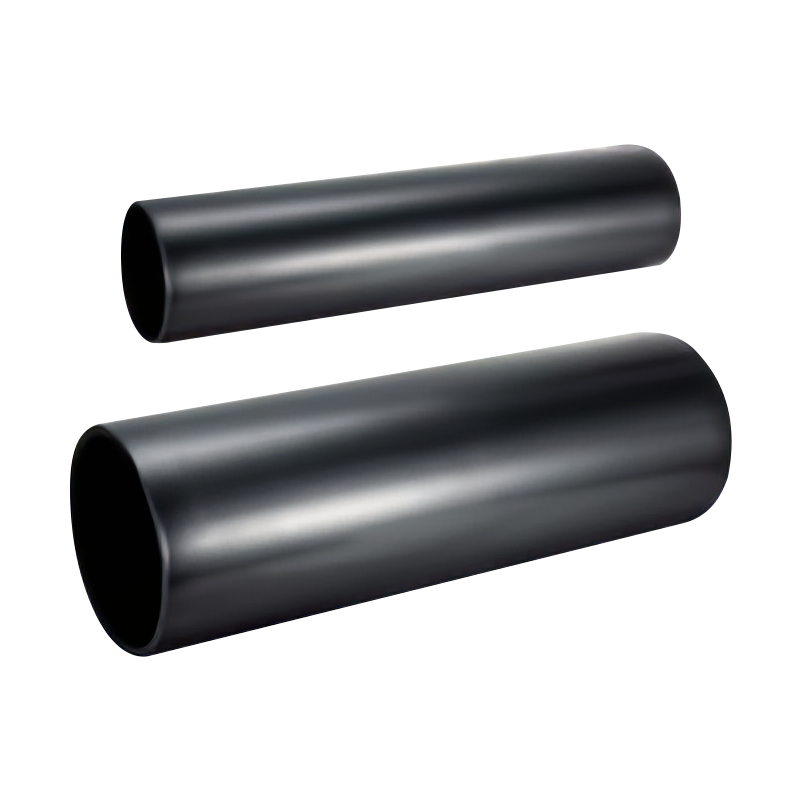
In urban water supply and drainage systems, HDPE pipes are widely used for tap water transportation, rainwater drainage, and sewage network construction due to their good pressure resistance and sealing performance. The smooth inner wall of HDPE pipes is not prone to scaling, effectively improving transportation efficiency and reducing maintenance costs.
HDPE pipes have excellent acid, alkali, and corrosion resistance, making them suitable for transporting various corrosive media in the chemical industry, such as chemical waste liquids and industrial circulating water. They are an ideal alternative to traditional metal pipes.
In the gas transportation field, HDPE pipes are widely used in medium and low-pressure gas pipeline networks due to their high toughness and impact resistance. Its excellent flexibility effectively copes with complex working conditions such as foundation settlement and earthquakes, improving overall operational safety.
In mining slurry transportation, tailings discharge, and environmental engineering projects, HDPE pipes exhibit outstanding wear resistance and a long service life, meeting the demands of high-intensity, long-cycle operation and reducing overall operating costs for enterprises.
HDPE pipes are not easily corroded by soil, water, and various chemicals. Under normal use conditions, their service life can reach over 50 years, significantly superior to traditional pipe materials.
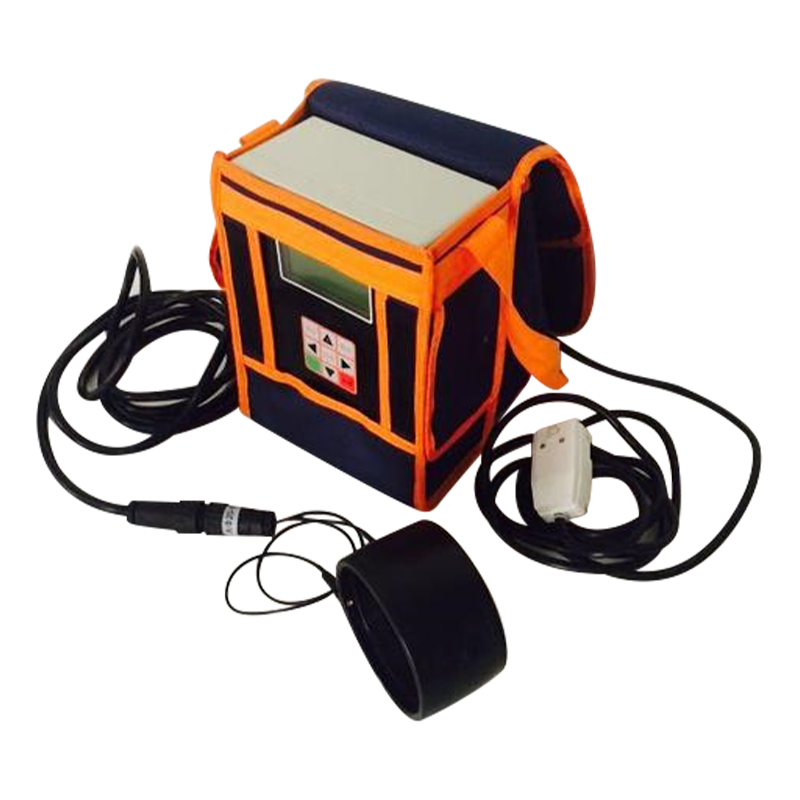
HDPE pipes typically use a heat-fusion connection method, resulting in high joint strength and good sealing, effectively reducing the risk of leakage. Simultaneously, construction efficiency is high, making it suitable for large-scale engineering applications.
Compared to rigid pipes, HDPE pipes possess better flexibility and impact resistance, maintaining good performance even in low-temperature environments and adapting to complex geological conditions.
HDPE pipes are made of environmentally friendly and recyclable materials, and are lightweight, resulting in low transportation and installation costs. From a life-cycle perspective, they offer significant economic advantages.
Due to their wide range of industrial applications and outstanding performance advantages, HDPE pipes are gradually replacing traditional pipe materials and becoming an important component of modern industrial piping systems. With continuous technological advancements and expanding application scenarios, the market prospects for HDPE pipes in the industrial sector will be even broader.
Recommended Products
 General Manager Mr.Song +86-18868665013 / Miss Zhou +86-13757458992
 International Sales Manager: Jim Yao +86-18968349877
 +86-574-62939789
 Wechat/WhatsApp: +86-18968349877
 [email protected]; [email protected]
 No. 147 Dushan, Sanqi Town, Yuyao City, Zhejiang Province
Copyright © Ningbo Heqi Pipe Co., Ltd. All rights reserved. Wholesale Drainage Pipes Manufacturer Drainage Fittings Supplier



 EN
EN

 English
 中文简体
中文简体