 2026.02.06
 Industry News
Content
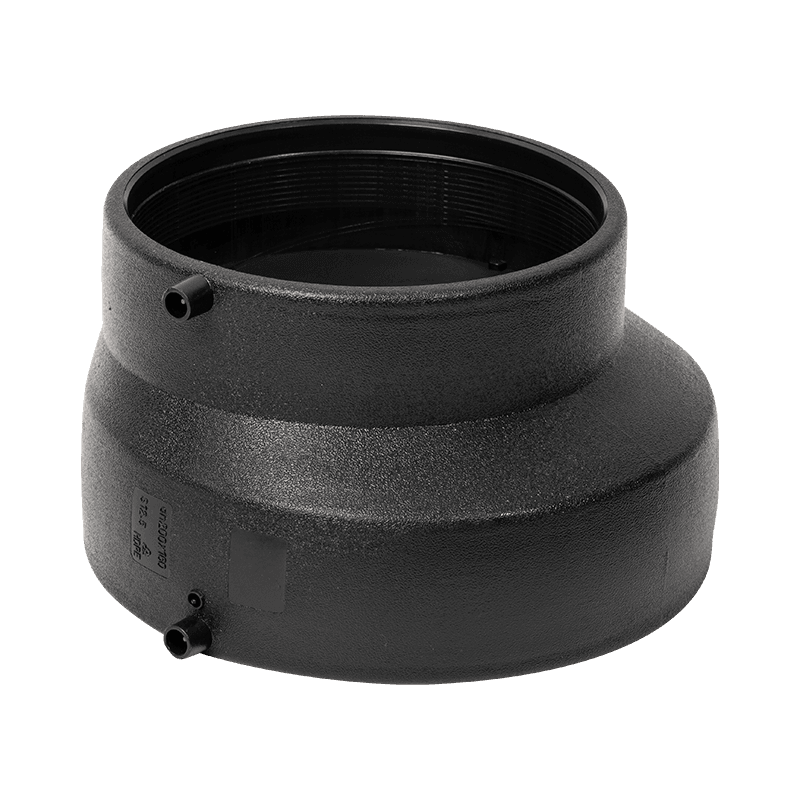
HDPE electrofusion fittings are mainly used in pipeline systems with extremely high requirements for sealing performance, safety, and connection strength. They are widely applied in gas transmission and distribution, municipal water supply, power and telecommunications, industrial fluid transportation, and underground comprehensive pipeline network projects. By adopting electrofusion connection technology (also known as electrofusion joining), HDPE electrofusion fittings achieve molecular-level fusion welding, forming high-strength, zero-leakage stable joint structures, and have become core connection components in modern high-standard pipeline network projects.
In gas engineering, HDPE electrofusion fittings are standard-configuration fittings. Typical applications include: urban natural gas trunk networks, residential gas branch systems, household gas pipelines, underground gas transmission pipelines, gas renovation projects.
Application advantages: joint strength ≥ pipe body strength, high air tightness, leak-proof, vibration-resistant, displacement-resistant, compliant with gas safety standards.
HDPE electrofusion fittings form an integral structure through electrofusion connection, greatly enhancing the safety level of gas systems.
HDPE electrofusion fittings are widely used in: urban tap water pipeline networks, rural drinking water safety projects, secondary water supply systems, water plant transmission pipelines, buried water transmission projects.
Key advantages: non-toxic and odorless material, no heavy metal precipitation, leak-free joints, strong corrosion resistance, service life of more than 50 years.
In high-standard municipal water supply projects, HDPE electrofusion fittings have become one of the mainstream connection methods.
In power and communication engineering, HDPE electrofusion fittings are mainly used in: cable protection pipe systems, optical fiber communication pipelines, data communication channels, underground integrated utility tunnels, smart city infrastructure pipeline networks.
Application value: high-sealing structure, waterproof and dustproof, sand seepage prevention, pest prevention, improved underground pipeline network stability, extended cable service life.
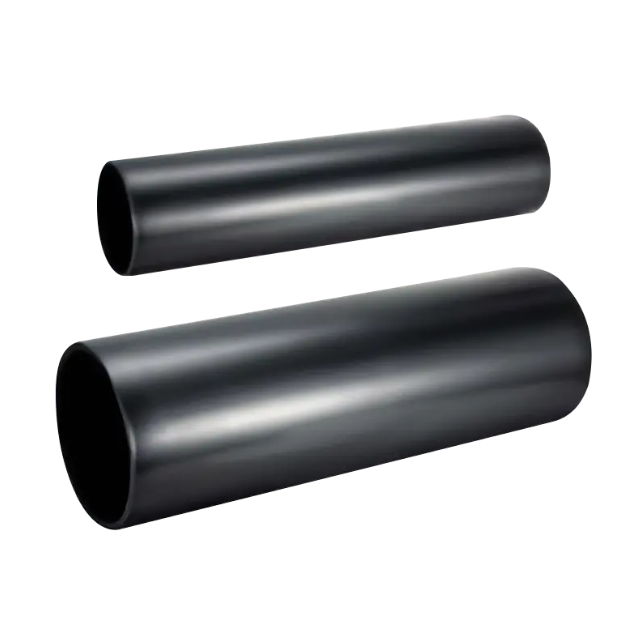
HDPE electrofusion fittings are suitable for transporting various industrial media: acid and alkali solution pipelines, chemical liquid transportation, industrial wastewater discharge, electroplating liquid transportation systems, corrosive media pipeline networks.
Technical advantages: HDPE material corrosion resistance, electrofusion joints with anti-permeation performance, long-term stable operation, low maintenance cost, forming high-safety-level industrial transportation systems.
In agricultural engineering, HDPE electrofusion fittings are commonly used in: farmland drip irrigation systems, sprinkler irrigation water transmission networks, agricultural water supply and drainage systems, breeding farm water supply systems, agricultural buried pipeline projects.
Advantages: firm connections, strong pull-out resistance, good frost heave resistance, suitable for long-term buried use.
HDPE electrofusion fittings are also applied in: rainwater collection systems, underground drainage systems, urban flood control projects, seepage and drainage projects, integrated drainage pipeline network systems, meeting high-sealing and high-durability engineering requirements.
| Application field | Usage frequency | Preferred connection method | Safety level requirement |
| Gas engineering | High | Electrofusion connection | Extremely high |
| Municipal water supply | High | Electrofusion / hot fusion | High |
| Power & telecommunications | High | Electrofusion connection | High |
| Industrial chemical | High | Electrofusion connection | High |
| Agricultural irrigation | Medium | Electrofusion / hot fusion | Medium |
| General drainage | Medium | Hot fusion / socket | Medium |
The core logic lies in three points: high safety requirements: leak prevention, explosion prevention, detachment prevention; high system stability requirements: long-term operation, low maintenance cost; high construction standardization requirements: strong interface consistency, controllable quality.
HDPE electrofusion fittings achieve integrated connections through electrofusion technology, meeting engineering-grade system standards.
HDPE electrofusion fittings are not general-purpose ordinary fittings, but professional connection components serving high-standard pipeline network systems. They are mainly applied in key infrastructure fields such as gas, municipal water supply, power and telecommunications, industrial fluid transportation, and underground comprehensive pipeline networks. In modern engineering construction, HDPE electrofusion fittings have been upgraded from an “optional solution” to a preferred connection solution for safety-oriented pipeline network systems, becoming basic configuration components in high-reliability engineering projects.
Recommended Products
 General Manager Mr.Song +86-18868665013 / Miss Zhou +86-13757458992
 International Sales Manager: Jim Yao +86-18968349877
 +86-574-62939789
 Wechat/WhatsApp: +86-18968349877
 [email protected]; [email protected]
 No. 147 Dushan, Sanqi Town, Yuyao City, Zhejiang Province
Copyright © Ningbo Heqi Pipe Co., Ltd. All rights reserved. Wholesale Drainage Pipes Manufacturer Drainage Fittings Supplier



 EN
EN

 English
 中文简体
中文简体