 2026.01.03
 Industry News
Content
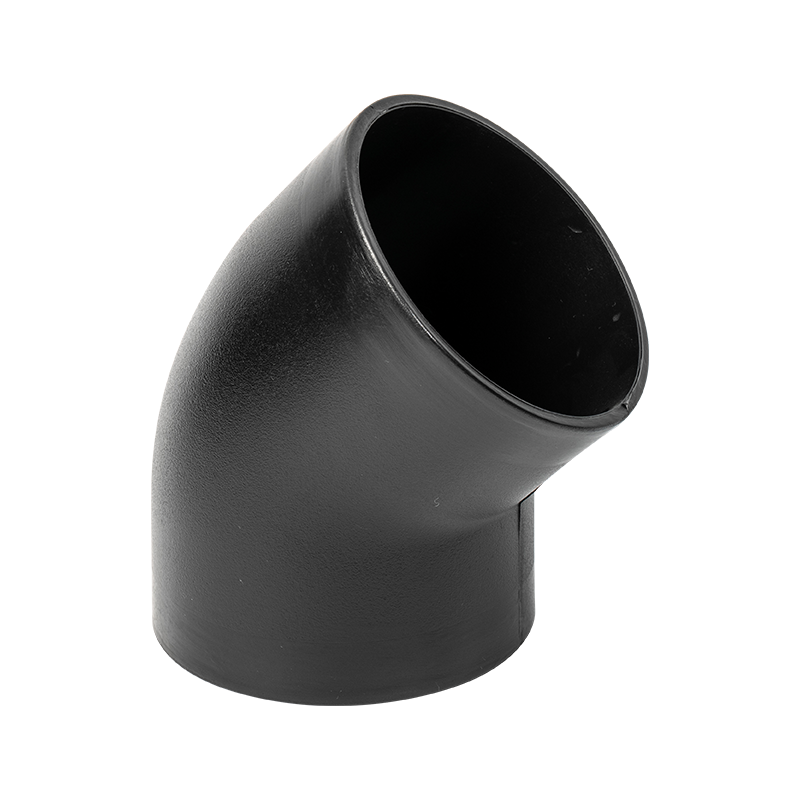
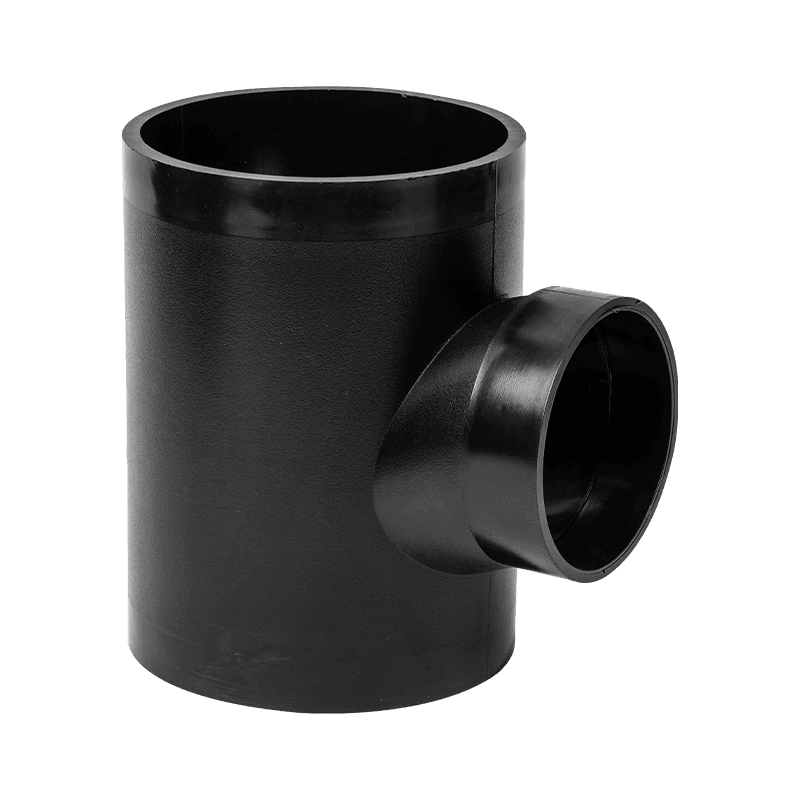
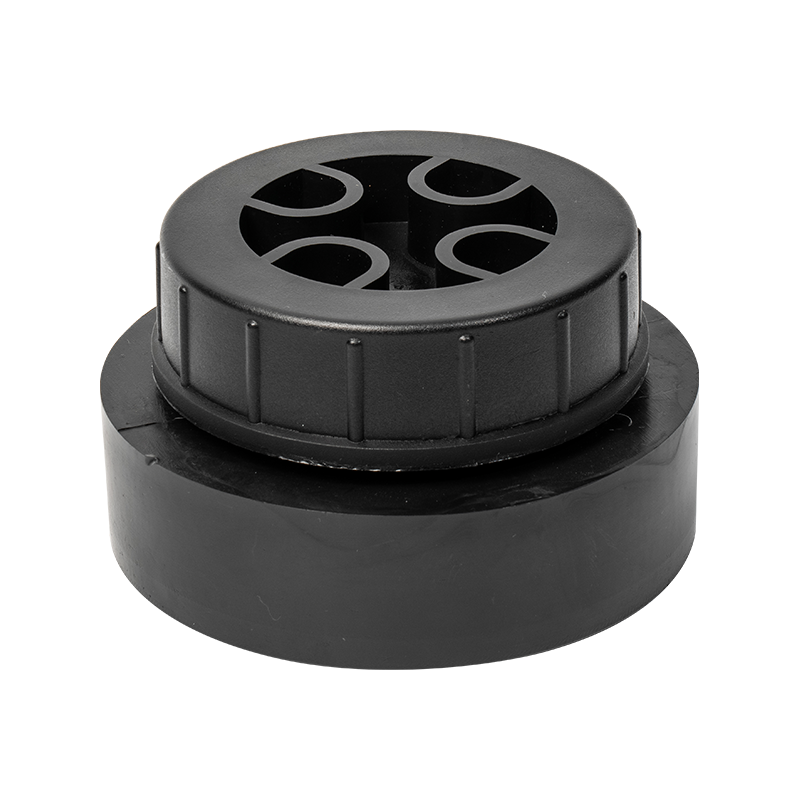
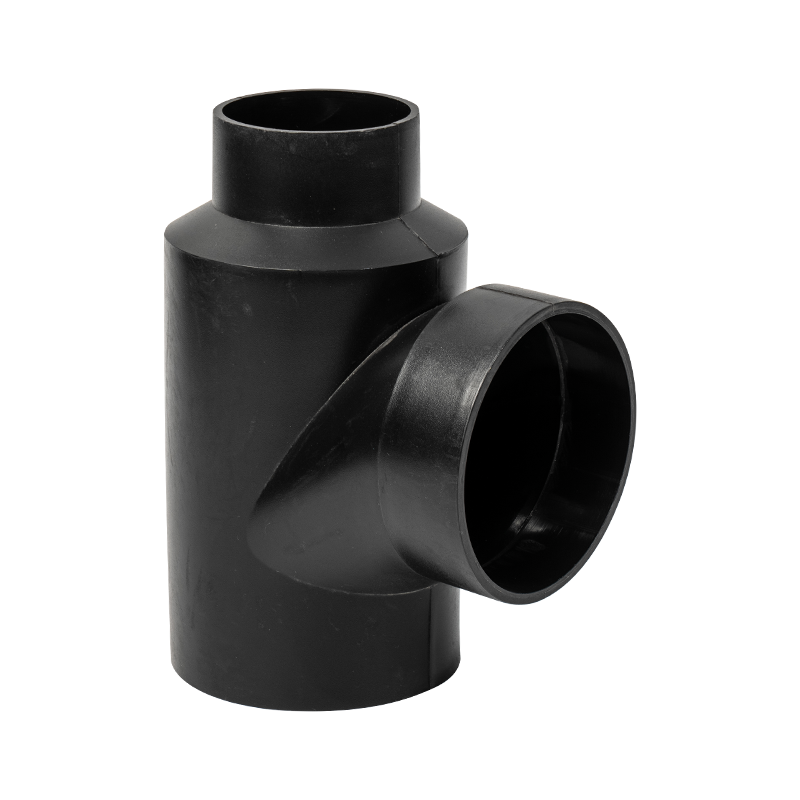
In modern building water supply and drainage systems, HDPE siphon pipes, with their efficient drainage capacity and superior physical properties, have become the preferred material for large roof rainwater drainage systems. One of the core concerns for many developers and contractors when selecting pipe materials is: what is the lifespan of HDPE siphon pipes?
This article will provide an in-depth analysis of the durability factors of HDPE siphon pipes, helping you fully understand the long-term advantages of this building material.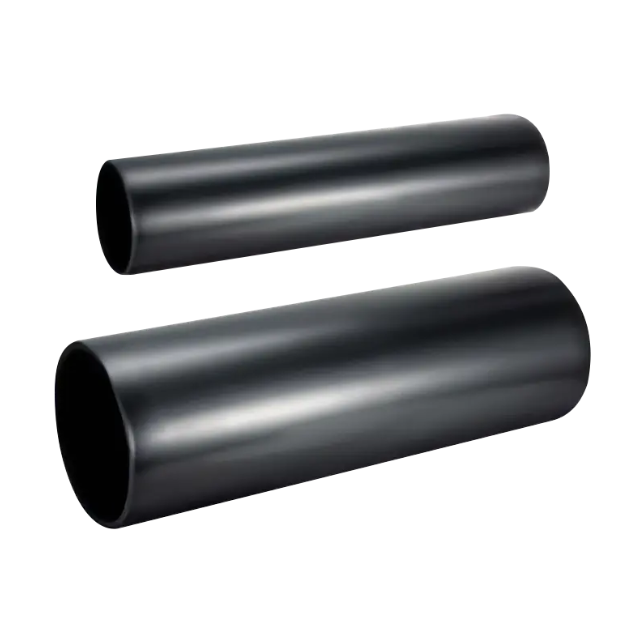
Under standard design and normal operating conditions, the lifespan of high-density polyethylene (HDPE) siphon pipes can typically reach over 50 years.
Compared to traditional cast iron or PVC pipes, HDPE material has extremely strong chemical stability and anti-aging capabilities. According to international ISO standards and relevant domestic industry specifications, certified high-quality HDPE pipes operating within specified temperature and pressure ranges have performance sufficient to cover the entire lifespan of the building.
While HDPE siphon pipes are renowned for their long lifespan, their actual lifespan is affected by the following key factors in practical applications:
Material Purity and Manufacturing Process: High-quality HDPE siphon pipes use 100% new high-density polyethylene raw materials. Pipes with added UV stabilizers effectively resist photo-oxidative aging, extending their service life even in outdoor exposure environments.
Welding Quality: Siphonic rainwater systems generate negative pressure during operation, placing extremely high demands on the strength of pipe connections. HDPE pipes are primarily connected via butt fusion or electrofusion. Inadequate welding processes can easily lead to leaks or cracks at the joints, thus shortening the overall service life of the system.
Corrosion Resistance and Wear Resistance: Corrosion resistance: HDPE has excellent acid and alkali resistance and will not experience electrochemical corrosion from chemicals in rainwater or acid rain.
Wear Resistance: The high flow rate within the siphon system, combined with the smooth inner wall of the HDPE pipe, results in a low coefficient of friction and exceptional wear resistance. It will not thin even under prolonged exposure to high-velocity rainwater.
Ambient Temperature Fluctuations: HDPE is a thermoplastic material, and its mechanical strength decreases with increasing temperature. Professional siphon drainage designs fully consider the material's thermal expansion and contraction, using a well-designed support system to eliminate stress and ensure the system remains stable under varying seasonal temperature differences.
To ensure that HDPE siphon pipes reach their expected 50-year lifespan, the following aspects are recommended:
Choose reputable pipe brands: Prioritize products from major manufacturers that meet national standards (such as GB/T series) to ensure scientifically formulated raw materials.
Professional System Design: Accurately calculate hydraulic gradient and negative pressure peaks to avoid prolonged operation under overload conditions.
Strict Construction Monitoring: Ensure that every weld meets technical specifications and undergoes rigorous water filling and pressure tests.
Regular cleaning and maintenance: Regularly inspect roof siphon drains to prevent blockages caused by debris and resulting abnormal local pressure.
In summary, HDPE siphon pipes, with their long service life of up to half a century, excellent seismic performance, and flexible construction methods, have become a "long-lasting" solution for modern building drainage. As long as materials are carefully selected and installation is carried out according to regulations, they can provide safe and reliable drainage for buildings for up to 50 years.
 General Manager Mr.Song +86-18868665013 / Miss Zhou +86-13757458992
 International Sales Manager: Jim Yao +86-18968349877
 +86-574-62939789
 Wechat/WhatsApp: +86-18968349877
 [email protected]; [email protected]
 No. 147 Dushan, Sanqi Town, Yuyao City, Zhejiang Province
Copyright © Ningbo Heqi Pipe Co., Ltd. All rights reserved. Wholesale Drainage Pipes Manufacturer Drainage Fittings Supplier



 EN
EN

 English
 中文简体
中文简体