 2026.04.30
 Industry News
Content
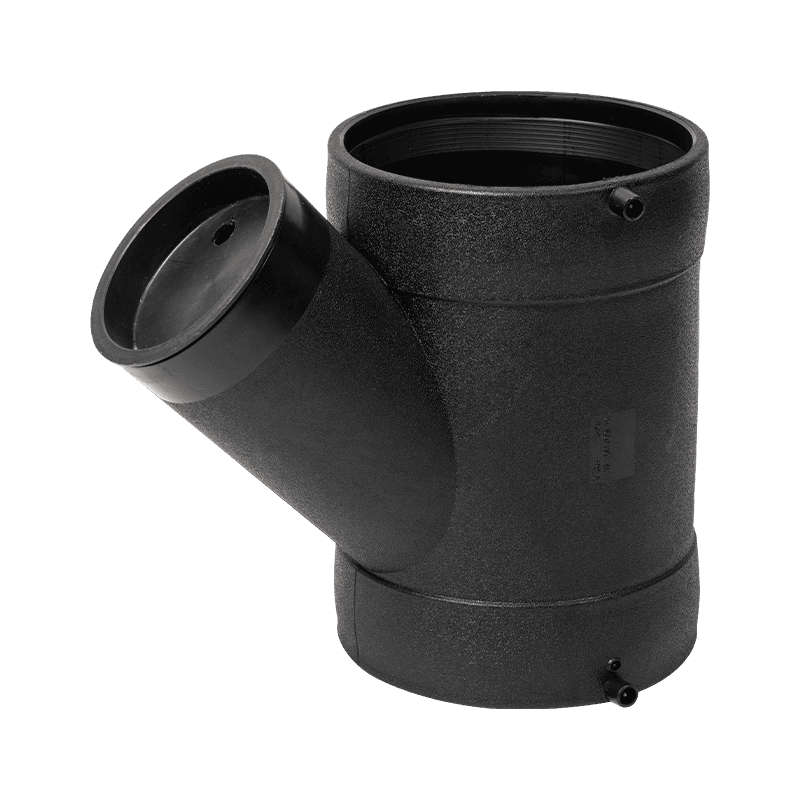
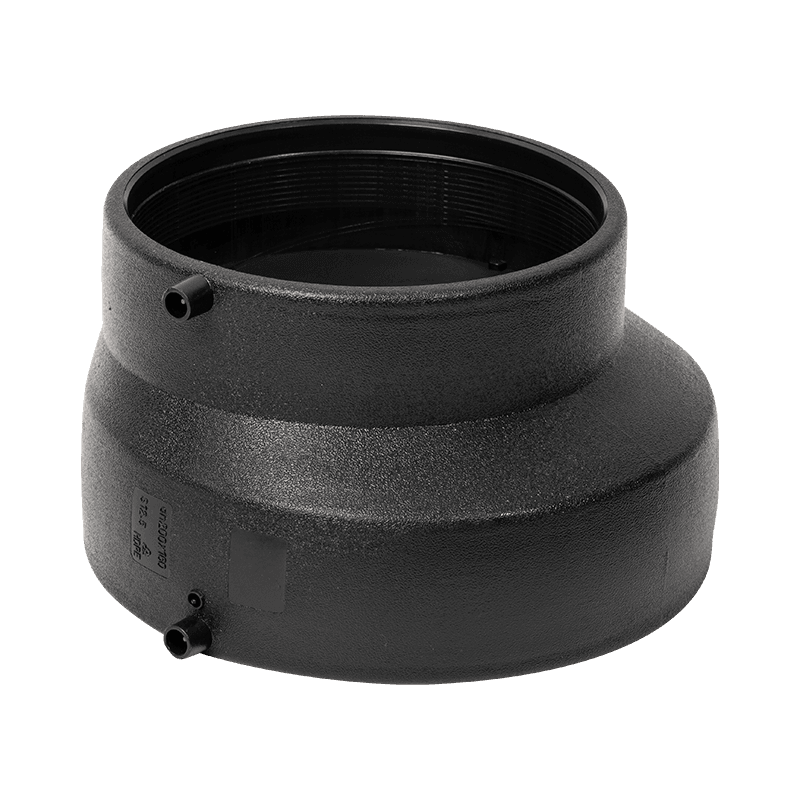
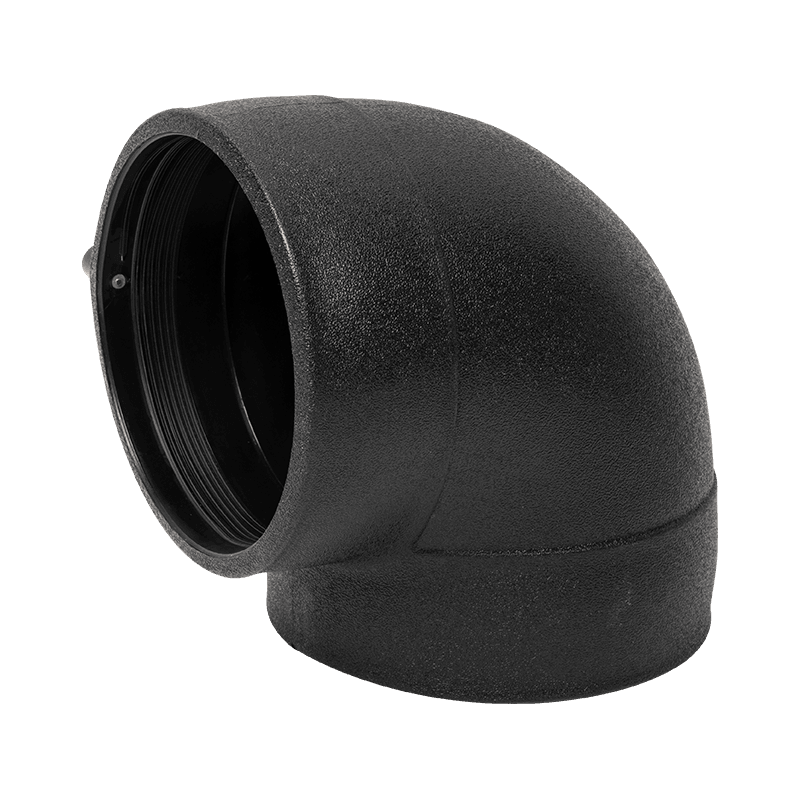
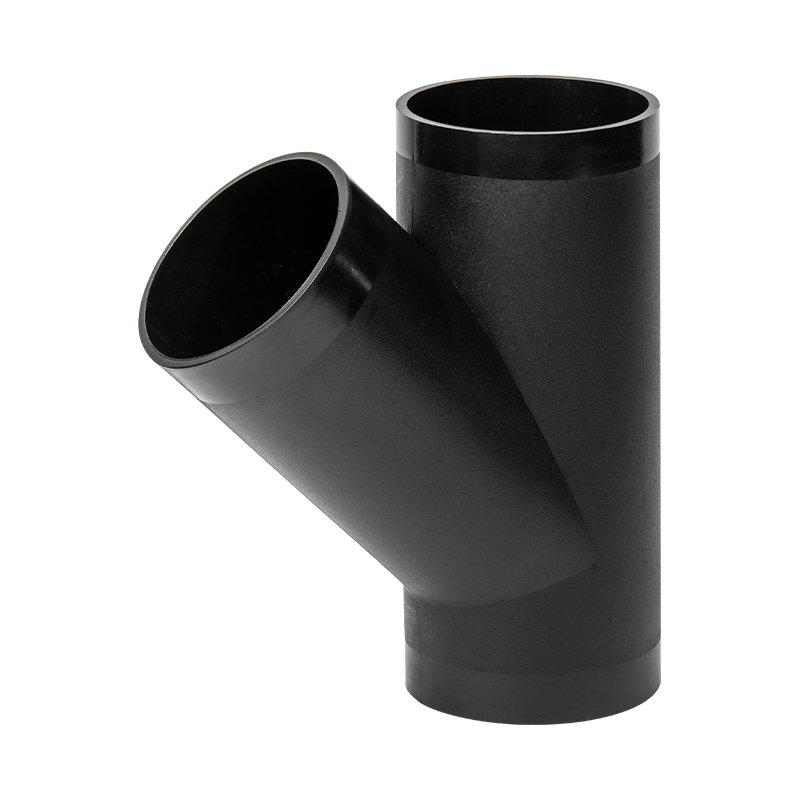
PE hot melt pipe fittings offer five principal advantages over alternative joining systems: a chemically homogeneous, weld-seam-free joint that is as strong as the pipe material itself; no sealing agents or gaskets required; full corrosion immunity; flexibility to accommodate ground movement; and a certified service life of 50 or more years. These advantages, taken together, explain why PE hot melt fittings have become the dominant connection standard in municipal water supply, gas distribution, agricultural irrigation, and industrial piping systems worldwide.
The defining technical advantage of PE hot melt connection is that the joint itself — formed by melting and fusing the pipe and fitting surfaces together — provides its own permanent seal without any additional material. This is fundamentally different from mechanical joints (which require gaskets and rings that can dry out and fail), threaded connections (which require sealant tape or compound), and solvent-welded plastic joints (which rely on chemical adhesion that can be affected by solvent quality and surface preparation).
When a butt fusion or socket fusion joint cools completely, the two PE surfaces have merged into a single monolithic polymer structure. The tensile strength of the joint meets or exceeds the pressure rating of the pipe wall — meaning the pipe body is statistically more likely to fail under excessive pressure than the joint itself.
Polyethylene is chemically inert to the full range of substances carried in water supply, gas, sewage, and irrigation networks:
PE pipe and fittings have a flexural modulus of approximately 800–1,100 MPa — significantly lower than PVC (2,800 MPa) or ductile iron (169,000 MPa). This flexibility allows a PE pipeline system to deflect, bend, and absorb ground movement that would fracture rigid pipe materials:
PE100 hot melt fittings are certified to a minimum service life of 50 years at their rated pressure and operating temperature, based on the ISO 9080 long-term hydrostatic strength regression model. In practice, many PE pipe systems installed in the 1970s remain in service today with no loss of structural integrity — a real-world track record that supports the 50-year design life.
The low lifecycle cost advantage compounds from several sources:
PE hot melt fittings are designed for straightforward installation using portable fusion equipment that is available from equipment hire companies worldwide:
| Advantage | PE Hot Melt | Mechanical Joint | Steel Weld |
|---|---|---|---|
| Joint integrity | Monolithic, no seals | Gasket-dependent | Strong but corrosion risk |
| Corrosion resistance | Complete immunity | Depends on material | Requires protection |
| Flexibility for ground movement | Excellent | Limited | Rigid |
| Service life (certified) | 50+ years | Gasket-limited (10–20 yrs) | 30–50 years (maintained) |
| No hot work permit required | Yes | Yes | No (flame required) |
 General Manager Mr.Song +86-18868665013 / Miss Zhou +86-13757458992
 International Sales Manager: Jim Yao +86-18968349877
 +86-574-62939789
 Wechat/WhatsApp: +86-18968349877
 [email protected]; [email protected]
 No. 147 Dushan, Sanqi Town, Yuyao City, Zhejiang Province
Copyright © Ningbo Heqi Pipe Co., Ltd. All rights reserved. Wholesale Drainage Pipes Manufacturer Drainage Fittings Supplier



 EN
EN

 English
 中文简体
中文简体