 2026.05.29
 Industry News
Content
PE electric fusion pipe clamps offer a compelling combination of advantages that make them the preferred jointing solution in modern pipeline infrastructure: hermetic molecular bonding that equals or exceeds the strength of the parent pipe, zero maintenance after installation, outstanding corrosion and chemical resistance, suitability for confined-space and trench repair applications, a design service life of 50 years or more, and installation safety that requires no open flame or hot work permits. Together, these advantages explain why electrofusion PE fittings have become the global standard for buried water, gas, and industrial pipelines where joint reliability is non-negotiable.
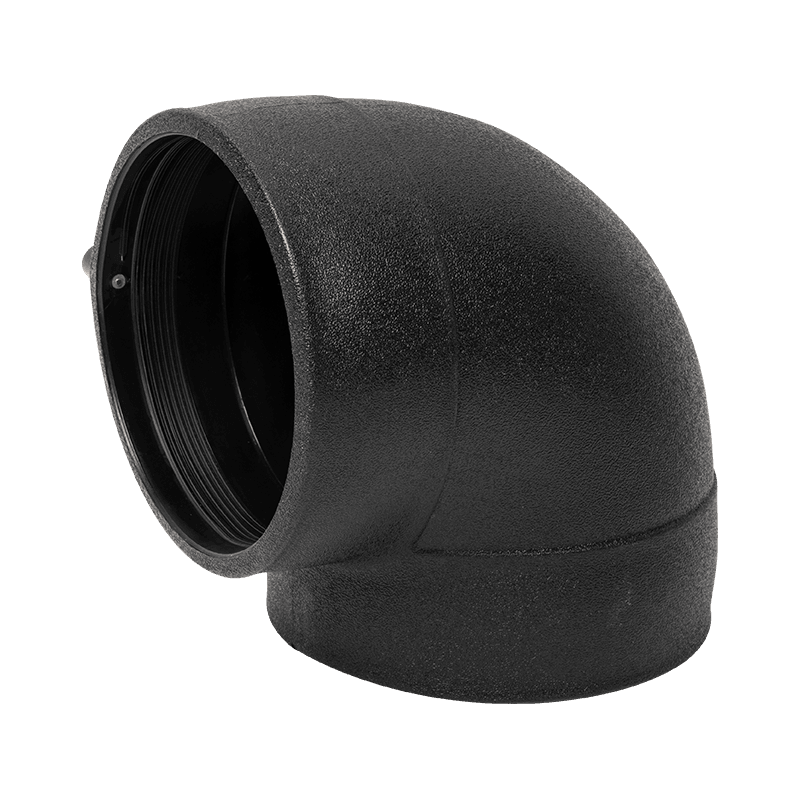
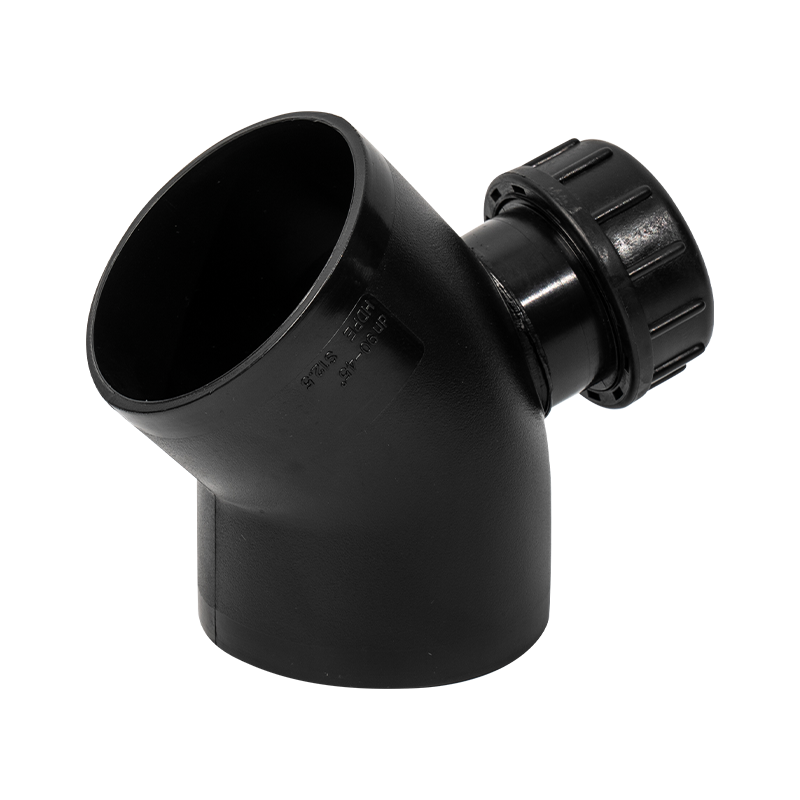
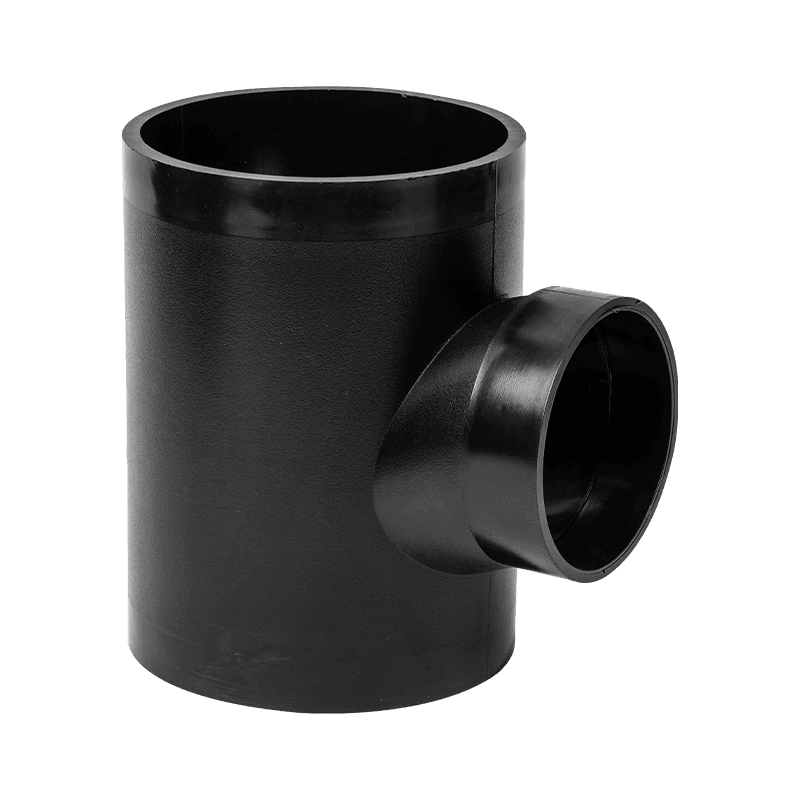
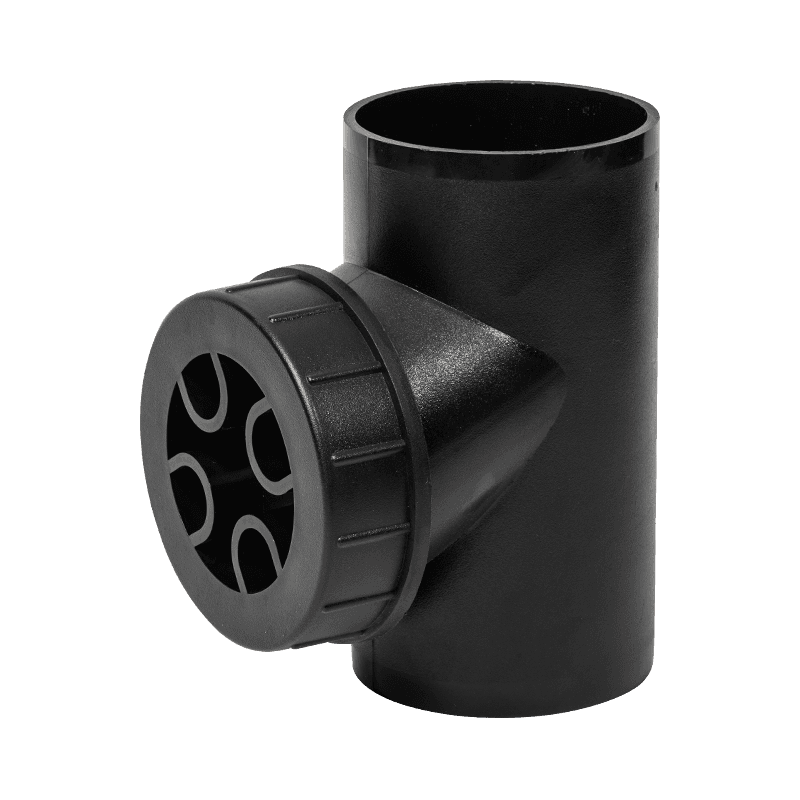
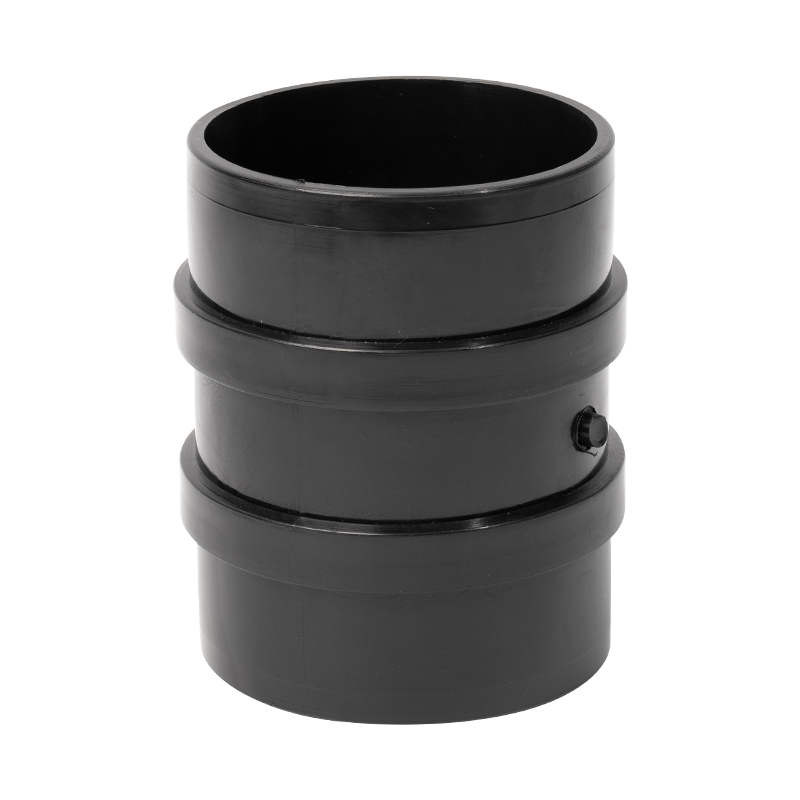
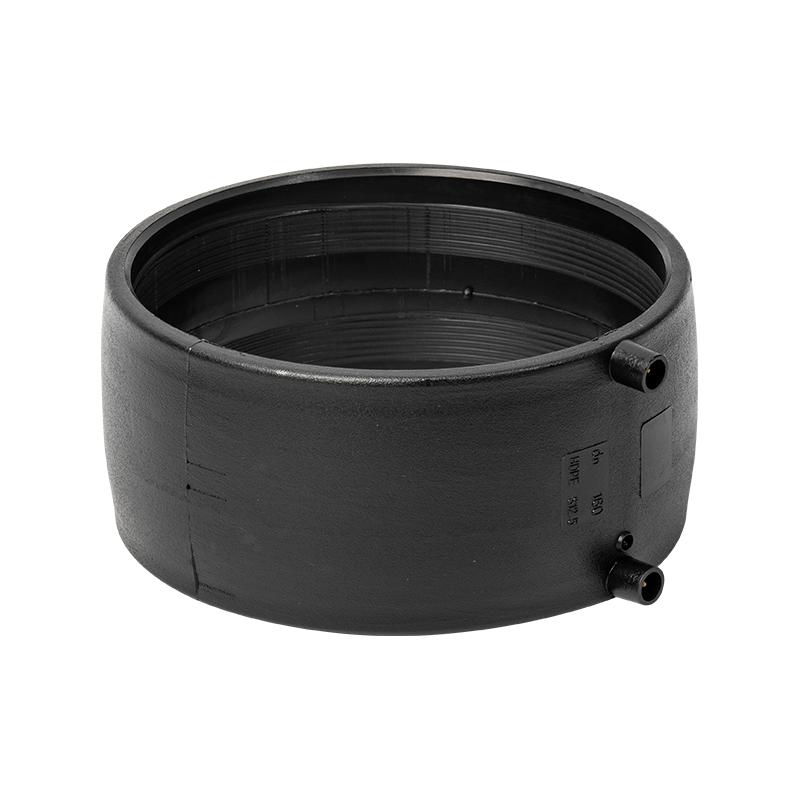
PE electric fusion pipe clamps are manufactured as solid cylindrical structures from high-quality polyethylene material with smooth surfaces and rounded edges. This design philosophy — compact, damage-free installation, excellent weather and corrosion resistance — is directly tied to the practical field advantages that set this product apart from both mechanical and other fusion-based pipe jointing alternatives. Each advantage discussed below reflects either a specific design feature of the clamp or a fundamental property of the electrofusion process that gives installed joints their superior long-term performance.
The most structurally significant advantage of PE electric fusion pipe clamps over mechanical joining methods is the nature of the bond they create. When the electrofusion process is completed correctly, the fitting and the pipe wall are no longer two separate components joined at an interface — they become a single, continuous mass of polyethylene with no internal boundary.
This molecular union is created by the simultaneous melting of the fitting bore surface and the pipe outer surface, followed by polymer chain interdiffusion across the interface as both surfaces are in a molten state. Upon cooling, the intermingled chains solidify into a unified structure. In destructive tensile testing, correctly made electrofusion joints always fail through the parent pipe material rather than through the fusion zone — confirming that the joint is at least as strong as the pipe itself. This is a performance standard that no mechanical fitting, gasket joint, or compression connection can achieve.
For PE 100 material — the current standard for pressure pipeline applications — the minimum required strength (MRS) at 20°C after 50 years of continuous pressure is 10 MPa (100 bar). A correctly made electrofusion joint in PE 100 pipe achieves this same rating, which means the joint does not represent a de-rating point in the pipeline system's pressure capacity. Specifiers can design the pipeline system to its full rated capacity without any reduction factor at jointing locations.
Once an electrofusion joint has been made and has passed its post-installation pressure test, it requires absolutely no maintenance for the remainder of the pipeline's service life. There are no gaskets to replace, no bolts to re-torque, no compression rings to inspect, and no seals to monitor for degradation. The molecular bond is permanent and does not change its properties over time in response to pressure cycling, temperature fluctuation, or ground movement.
This zero-maintenance characteristic has profound cost implications over the life of a pipeline asset. Consider a buried water distribution main with a 50-year design life and several thousand joints. With mechanical fittings, each joint is a potential future maintenance event — gasket deterioration, corrosion of bolts, seal degradation from chemical exposure, or loss of compression preload from soil creep. With electrofusion joints, none of these failure mechanisms exist, and the total cost of ownership over the pipeline's life is reduced by eliminating the labor, excavation, and disruption costs associated with maintaining or replacing leaking mechanical joints.
| Joint Type | Maintenance Required | Primary Failure Mechanism | Expected Service Life | Post-Installation Inspection Needed |
|---|---|---|---|---|
| PE Electrofusion (clamp) | None | None under correct installation | 50+ years | No |
| Flanged connection | Periodic bolt re-torquing; gasket replacement | Gasket degradation; bolt corrosion | 10–25 years (gasket-dependent) | Yes — periodic |
| Mechanical compression fitting | Periodic re-tightening; o-ring inspection | O-ring degradation; compression loss | 15–30 years | Yes — periodic |
| Metallic welded joint | Corrosion protection monitoring | Corrosion; stress corrosion cracking | 20–40 years (coating-dependent) | Yes — cathodic protection monitoring |
| Push-fit rubber ring joint | Periodic gasket inspection | Rubber degradation; joint pull-out | 20–35 years | Yes — leak survey required |
Corrosion is the primary cause of failure and premature replacement in metallic pipeline systems worldwide. Cast iron, ductile iron, and steel pipes and fittings are subject to internal corrosion from the conveyed medium, external corrosion from aggressive soils, and galvanic corrosion where dissimilar metals are in contact. These corrosion processes attack joints particularly severely because joints typically have crevices, different metal compositions, and mechanical stress concentrations that accelerate localized corrosion.
PE electric fusion pipe clamps are completely immune to all forms of corrosion. Polyethylene does not react with water, oxygen, hydrogen sulfide, carbon dioxide, dilute acids, dilute alkalis, or most organic solvents under normal pipeline service conditions. The electrofusion joint zone is chemically identical to the pipe wall material — there is no different metal alloy, no galvanic interface, no gasket material that can be chemically attacked, and no external surface that requires corrosion protection coating.
This corrosion immunity is not dependent on any applied coating, cathodic protection system, or maintenance procedure. It is an intrinsic property of the polyethylene material that remains constant throughout the fitting's service life, in any soil type, groundwater chemistry, or conveyed medium within the material's chemical resistance profile. For projects in coastal areas with saline groundwater, acidic peat soils, chemically aggressive industrial sites, or areas where stray electrical currents present galvanic corrosion risk, PE electrofusion clamps eliminate corrosion as a design consideration entirely.
PE electric fusion pipe clamps are manufactured with carbon black compounded into the polyethylene matrix at a concentration of approximately 2 to 2.5% by weight. This carbon black content provides a highly effective UV stabilization mechanism: carbon black absorbs ultraviolet radiation and converts it to heat before the UV energy can break the polymer chain bonds in the PE material. Without UV stabilization, PE would degrade rapidly under prolonged outdoor exposure, becoming brittle and losing its mechanical properties.
With carbon black stabilization, PE pipe fittings can be stored outdoors before installation for extended periods without quality degradation — a significant logistical advantage on large infrastructure projects where materials may be delivered to site weeks before they are installed. Carbon black stabilized PE fittings can withstand years of direct UV exposure without measurable degradation of mechanical properties, making them suitable for above-ground exposed pipeline installations in addition to buried applications.
The weather resistance of PE also encompasses resistance to freeze-thaw cycling, thermal expansion and contraction across seasonal temperature ranges, and resistance to ozone attack — an environmental degradant that affects rubber-based seals and gaskets used in mechanical fittings. PE electrofusion clamps are unaffected by ozone at any atmospheric concentration, which is particularly relevant for above-ground installations and for fittings used in areas with high ambient ozone levels.
The solid cylindrical construction of PE electric fusion pipe clamps provides significant practical advantages throughout the project supply chain — from manufacturing through storage, transportation, and on-site installation.
The compact cylindrical form factor allows PE electrofusion clamps to be stacked and stored efficiently in warehouse racking and on transport vehicles. Unlike flanged fittings — which have large diameter bolt flanges that extend far beyond the pipe bore diameter and prevent close packing — or mechanical saddle clamps with protruding bolt assemblies, electrofusion clamps have a smooth outer surface that allows them to nest closely together. This compactness reduces storage footprint by 30 to 50% compared to equivalent flanged or mechanical fittings, which reduces warehouse costs and makes more efficient use of limited on-site storage areas in constrained urban working environments.
The light weight of polyethylene compared to cast iron, ductile iron, or steel fittings of equivalent pressure rating reduces transportation costs and enables safer manual handling by installation crews. A PE electrofusion clamp for a 200 mm diameter pipe weighs a fraction of an equivalent ductile iron mechanical joint fitting, which reduces both the freight cost per unit and the risk of handling injuries during installation. The smooth rounded edges of the clamp body prevent damage to adjacent materials during transport and handling, eliminating the need for protective end caps or edge guards that add cost and create waste.
Many pipeline installation and repair operations take place in confined or constrained environments — narrow trenches, service pits, valve chambers, or congested underground utility corridors where working space is severely limited. PE electric fusion pipe clamps require minimal working clearance around the pipe for installation: only enough space to slide the clamp over the pipe end and connect the electrofusion controller leads. There is no need for bolt circles, flange face access, wrench swing clearance, or alignment tool working room — all of which make flanged and mechanical fittings difficult or impossible to install in confined spaces. The electrofusion controller itself is a compact portable unit that can be positioned outside the confined space and connected to the fitting through its output leads, further reducing the equipment footprint within the working space.
The electrofusion process generates heat internally within the fitting through electrical resistance — there is no external flame, no hot gas torch, no heated iron or plate that must be brought to and maintained at high temperature at the work site. This characteristic delivers multiple safety and practical advantages that are particularly valuable in certain installation environments.
No hot work permit is required for electrofusion welding in most jurisdictions, which eliminates a significant administrative burden and scheduling constraint on projects where hot work permits require advance approval, fire watch personnel, and post-work inspection. This is particularly significant in gas pipeline work, where the presence of hydrocarbons makes open flame operations subject to stringent permitting and safety controls.
The risk of accidental fire or explosion is essentially zero during electrofusion installation, because the heat is generated inside the fitting body and does not produce open flame or radiated heat that could ignite nearby materials. Electrofusion can be performed in wet conditions, in partially flooded trenches (with appropriate precautions), and in close proximity to other utility services without the safety exclusion zones required for open flame or hot plate fusion operations.
The electrofusion controller also provides process safety through its automatic parameter management: it reads the fitting's barcode or RFID tag, sets the correct voltage and duration automatically, monitors the weld in real time, and terminates the process if a fault condition is detected. This removes operator judgment from the critical process parameters and ensures consistent, safe heat input regardless of operator experience level — provided the surface preparation requirements have been correctly followed.
One of the most underappreciated advantages of PE electric fusion pipe clamps — and of PE pipeline systems generally — is the ability of the material and the joint to accommodate ground movement, differential settlement, and seismic activity without cracking or leaking.
PE has an elastic modulus of approximately 800 to 1,000 MPa — roughly 200 times lower than that of steel (approximately 200,000 MPa) and 100 times lower than ductile iron. This high flexibility means that when the ground surrounding a buried PE pipeline moves — due to soil consolidation, frost heave, clay shrinkage, or seismic loading — the pipeline deflects and bends rather than fracturing. The electrofusion joint moves with the pipe as part of a monolithic, flexible system, rather than acting as a rigid fixed node that creates stress concentration at the joint location.
Field evidence from earthquake events and soil subsidence incidents consistently demonstrates that PE electrofusion pipeline systems survive ground movements that destroy brittle metallic or concrete pipeline systems. Following the 1994 Northridge and 1995 Kobe earthquakes, post-event assessments found that PE pipeline networks with electrofusion joints sustained dramatically lower rates of joint leakage and pipe failure compared to cast iron and ductile iron systems in the same affected areas. This seismic resilience has made PE electrofusion the preferred specification for water and gas pipelines in geologically active regions worldwide.
The smooth surface finish and carefully radiused edges of PE electric fusion pipe clamps are engineering design choices with direct practical consequences for installation quality. Sharp edges or rough surfaces on a fitting that is slid over a pipe during installation can score or scratch the pipe's outer surface — creating stress concentration points that reduce the pipe's long-term fatigue resistance and, in extreme cases, initiating slow crack growth that leads to premature pipe failure years after installation.
The rounded edge profile of the electrofusion clamp allows it to be installed over the pipe end without risk of edge contact damage, even in field conditions where the pipe may have minor surface irregularities from handling or storage. This smooth installation characteristic also reduces installation time, as there is no need for additional protective measures — such as applying tape or lubricant to pipe surfaces — that would be needed with fittings having sharper edge profiles.
The smooth outer surface of the clamp body additionally provides a clean, inspection-friendly exterior surface for the fusion indicator ports and identification markings. Fusion indicator extrusion — the visible protrusion of indicator pins that confirms the fusion zone has reached operating temperature — can be easily observed and verified against smooth surrounding material, providing clear visual confirmation of process completion that would be more difficult to interpret on a textured or flanged surface.
Modern PE electric fusion pipe clamps incorporate barcode or RFID identification that encodes the fitting's specific fusion parameters and manufacturing data. When combined with modern electrofusion controllers that produce digital weld records for every joint, this traceability system provides a level of quality documentation that no mechanical fitting system can match.
For every electrofusion joint made using a barcode-equipped fitting and a recording controller, the weld record captures:
This complete digital audit trail allows the pipeline owner to verify the quality of every joint in the system from the construction records alone, without requiring post-installation inspection of buried joints. If a pipeline failure ever occurs in service, the weld records allow immediate identification of whether the joint was made within specification — an invaluable tool for failure investigation, insurance claims, and contractor performance assessment.
PE electric fusion pipe clamps are among the most effective tools available for in-service pipeline repair without full pipe replacement. When a PE pipeline develops a localized defect — a crack, impact damage, or point leak — a fusion clamp can be installed over the damaged section, electrofused to the undamaged pipe wall on either side of the defect, and the repair completed without excavating or removing any significant length of pipe.
The solid cylindrical body of the clamp provides structural reinforcement of the damaged pipe section after fusion, restoring the local pressure rating to the pipe's original full design value. The electrofusion bond creates a hermetic seal around the defect, eliminating the leak at the source rather than relying on external compression or sealant that can deteriorate over time. Repair joints made with PE electrofusion clamps are designed to the same 50-year service life standard as the original pipeline — they are not temporary repairs but permanent restorations of the pipeline's structural and hydraulic integrity.
This repair capability is particularly valuable in urban environments where full pipeline replacement requires extensive excavation, traffic disruption, and service interruption. A localized repair with an electrofusion clamp typically requires a working excavation of only 1 to 2 meters in length — a fraction of the excavation needed to cut out and replace a damaged pipe section with new pipe and end fittings — dramatically reducing the cost, duration, and disruption of the repair operation.
Unlike many mechanical fittings — which introduce internal protrusions, seal rings, or stepped bore changes that create local flow turbulence and hydraulic resistance — PE electric fusion pipe clamps produce joints with a smooth internal bore that does not restrict flow or create additional head loss in the pipeline system.
The fusion process creates a continuous inner surface between the pipe bore and the fitting bore, with no internal weld bead, no protruding seal ring, and no abrupt diameter change at the joint location. The flow coefficient (Cv) and hydraulic roughness of a PE electrofusion joint section are essentially identical to those of the straight pipe — allowing pipeline designers to use the pipe's published hydraulic roughness values (typically 0.003 to 0.007 mm absolute roughness for PE) throughout the pipeline calculation without applying a joint flow restriction factor.
Over the life of a pipeline with hundreds or thousands of joints, this smooth bore advantage translates to lower pumping energy costs compared to systems with mechanically jointed fittings that introduce incremental flow resistance at each joint location — a benefit that compounds over decades of continuous operation.
PE electric fusion pipe clamps meet the material purity and hygienic performance requirements for potable water distribution and food-grade fluid handling applications in all major regulatory frameworks. The material does not leach plasticizers, heavy metals, or organic compounds into the conveyed water at concentrations detectable under standard drinking water testing protocols — a fundamental requirement that not all plastic pipe materials satisfy.
The fusion joint itself introduces no additional hygienic risk compared to the pipe wall: there are no gaskets made from rubber or composite materials that can harbor biofilm, no metallic surfaces that could corrode and introduce metal ions, and no crevices at the inner surface where stagnant water could accumulate and support bacterial growth. The smooth inner surface of the fusion zone is as easy to clean and disinfect as the straight pipe sections, and the joint does not create any hydraulic dead zones that would compromise the effectiveness of inline chlorination or UV disinfection of the water supply.
For food processing, beverage production, and pharmaceutical water supply applications where hygienic integrity of the entire pipe system — including every joint — must be demonstrable to regulatory inspectors, the clean joint profile and material certification of PE electrofusion fittings provide a documentable compliance pathway that mechanical fittings with elastomeric seals cannot always match.
The following table consolidates the primary advantages of PE electric fusion pipe clamps and maps them to the application requirements where each advantage delivers the greatest value, helping engineers and specifiers identify the most relevant benefits for their specific project context.
| Advantage | Key Performance Data | Most Relevant Applications | Advantage Over Alternatives |
|---|---|---|---|
| Molecular bond strength | Equal to parent pipe (PE 100: 10 MPa at 50 years) | High-pressure water, gas distribution | No mechanical fitting achieves pipe-equivalent strength |
| Zero maintenance | 50+ year service life with no intervention | Buried infrastructure; inaccessible locations | Eliminates gasket, bolt, and seal replacement costs |
| Corrosion immunity | Zero corrosion rate in all soil and water types | Coastal, saline soil, acidic ground, industrial sites | No cathodic protection or coating required |
| UV and weather stability | 2–2.5% carbon black; extended outdoor storage | Above-ground exposed pipelines; remote site logistics | No coating degradation; no gasket ozone attack |
| Compact design | 30–50% less storage footprint vs. flanged equivalents | Urban sites; confined trench work; remote access | Minimal working clearance; lightweight handling |
| No open flame required | Electrical only; no hot work permit required | Gas pipelines; fire-sensitive sites; urban environments | Eliminates fire risk; works in wet conditions |
| Seismic and movement tolerance | PE modulus 800–1,000 MPa; monolithic flexible joint | Earthquake zones; subsidence areas; mining regions | Joint moves with pipe; no brittle fracture risk |
| Digital traceability | Full weld record per joint; GPS-capable controllers | Regulated utilities; gas networks; audit-required projects | Every joint verified; no equivalent in mechanical systems |
| Repair capability | 1–2 m excavation; 50-year permanent repair | Leak repair; pipeline rehabilitation; emergency response | Permanent structural repair vs. temporary mechanical clamp |
| Hygienic bore | Smooth bore; roughness 0.003–0.007 mm; no crevices | Potable water; food processing; pharmaceutical | No biofilm crevices; no gasket leaching; no metal ions |
When the total cost of pipeline ownership is assessed over the full 50-year design life, PE electric fusion pipe clamps consistently demonstrate superior economic performance compared to mechanical jointing alternatives, despite having a higher upfront unit cost in some diameter ranges than simple mechanical fittings.
The economic advantage accumulates from multiple directions simultaneously:
When all of these cost categories are included in a whole-life cost analysis, PE electrofusion pipeline systems consistently demonstrate a lower total cost of ownership than mechanically jointed metallic alternatives — making the PE electric fusion pipe clamp not merely a technically superior product but the economically rational choice for pipeline infrastructure investment decisions.
 General Manager Mr.Song +86-18868665013 / Miss Zhou +86-13757458992
 International Sales Manager: Jim Yao +86-18968349877
 +86-574-62939789
 Wechat/WhatsApp: +86-18968349877
 [email protected]; [email protected]
 No. 147 Dushan, Sanqi Town, Yuyao City, Zhejiang Province
Copyright © Ningbo Heqi Pipe Co., Ltd. All rights reserved. Wholesale Drainage Pipes Manufacturer Drainage Fittings Supplier



 EN
EN

 English
 中文简体
中文简体