 2025.11.28
 Industry News
Content
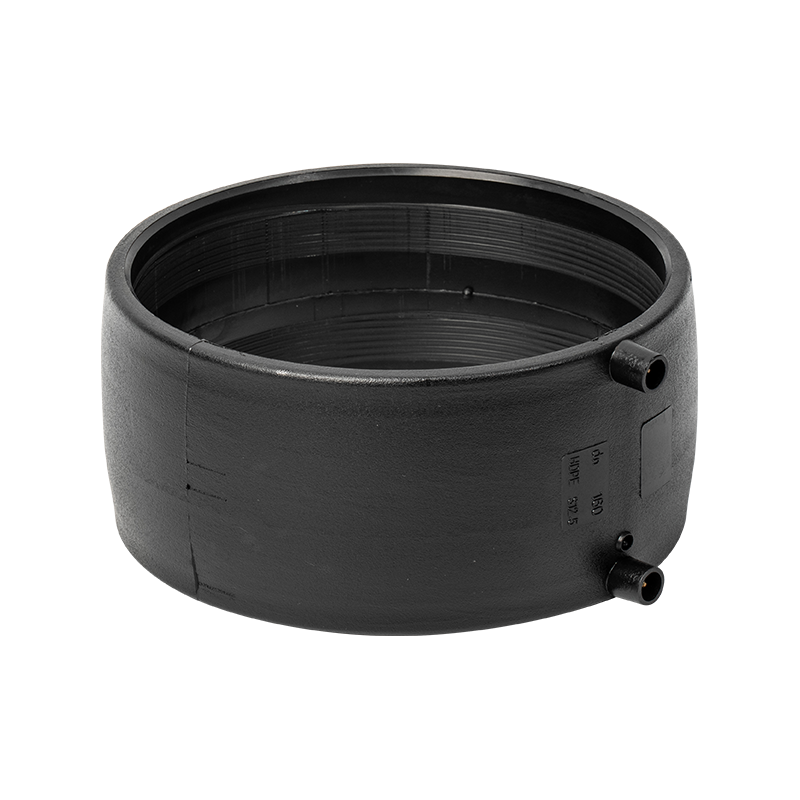
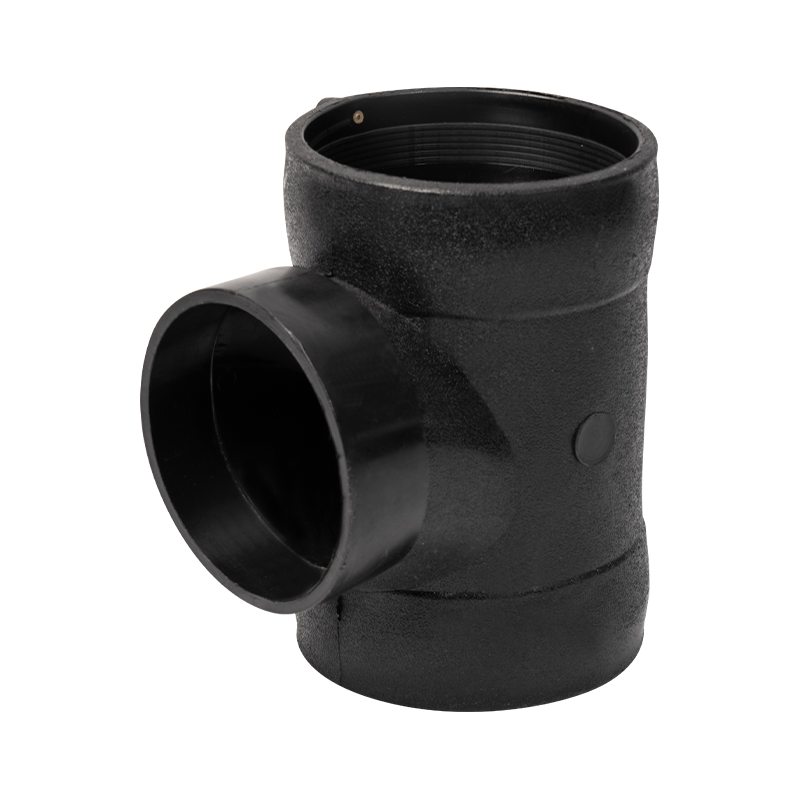
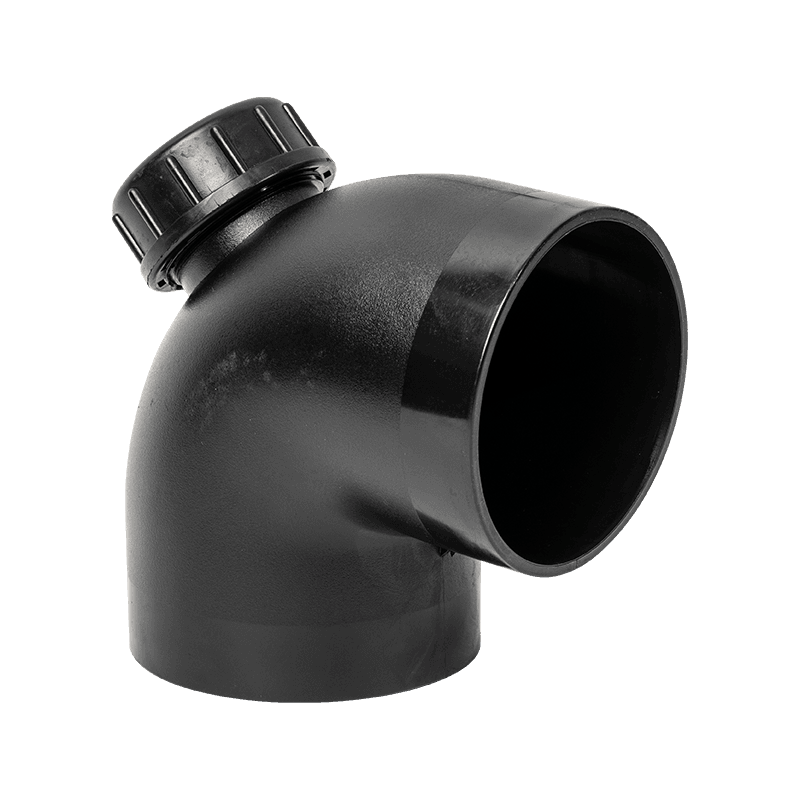
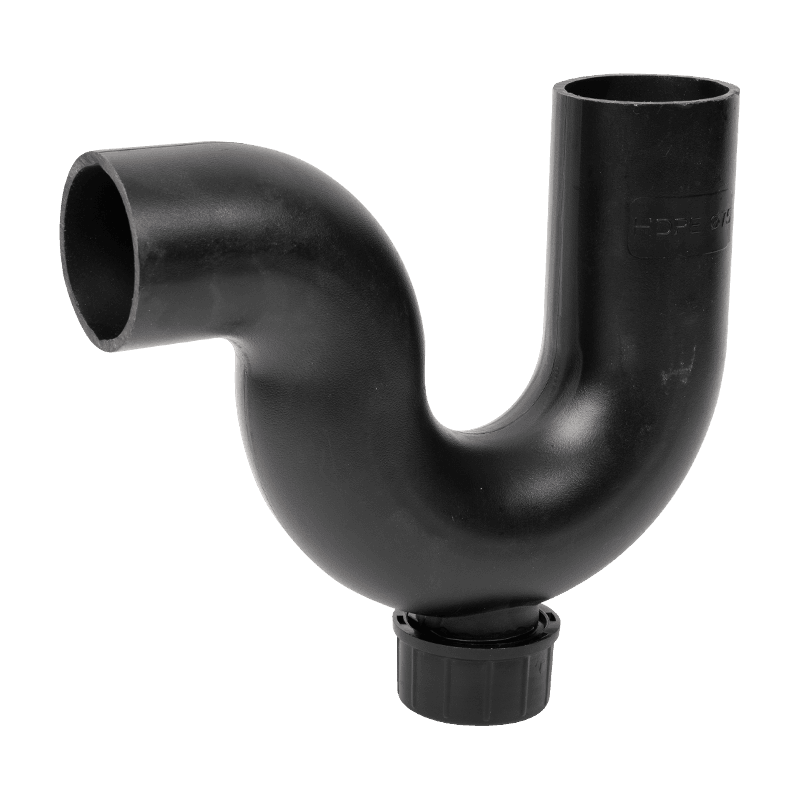
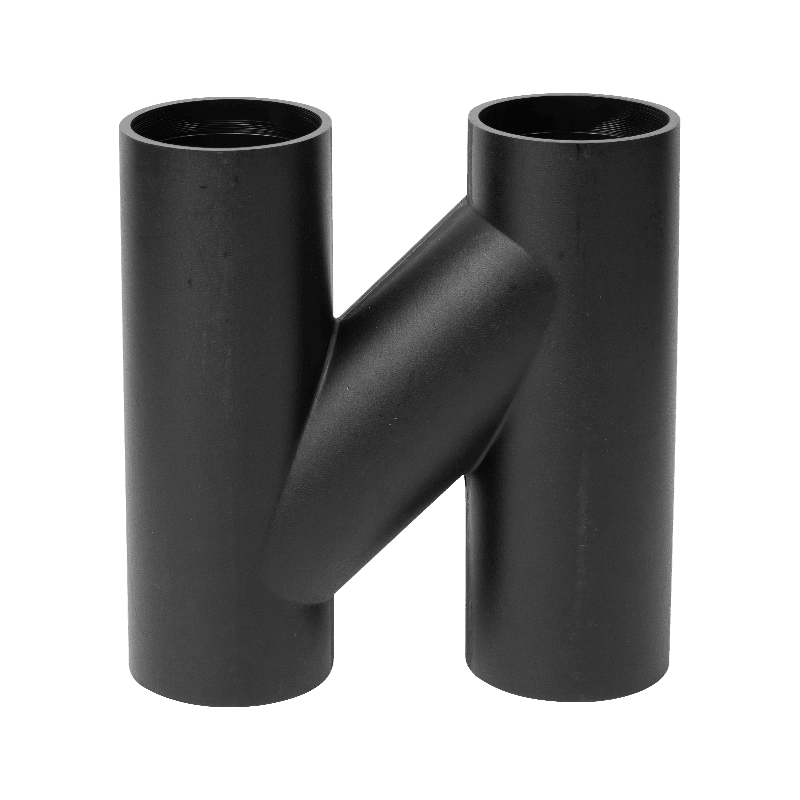
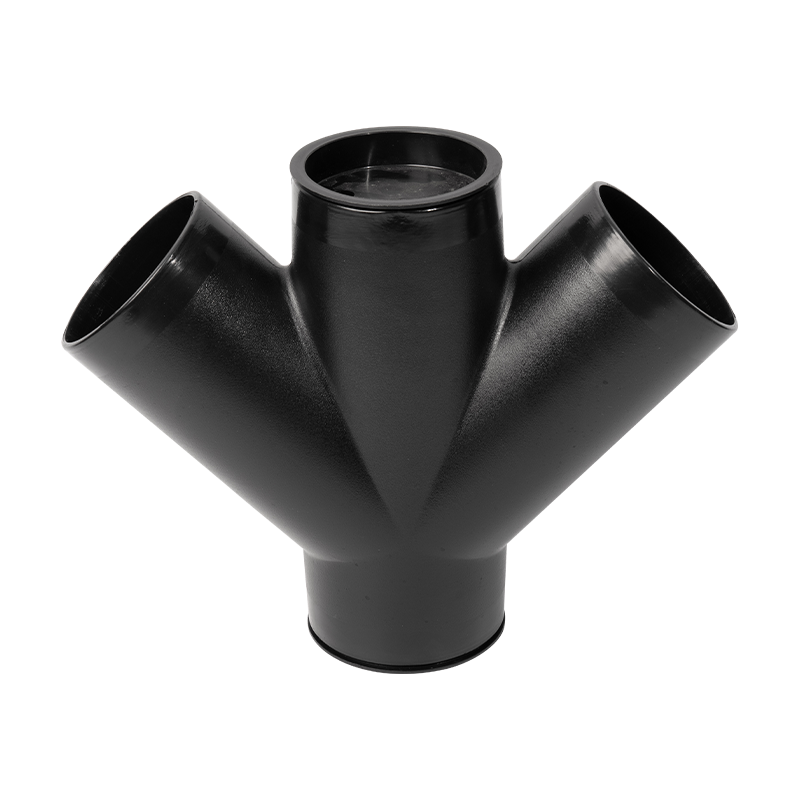
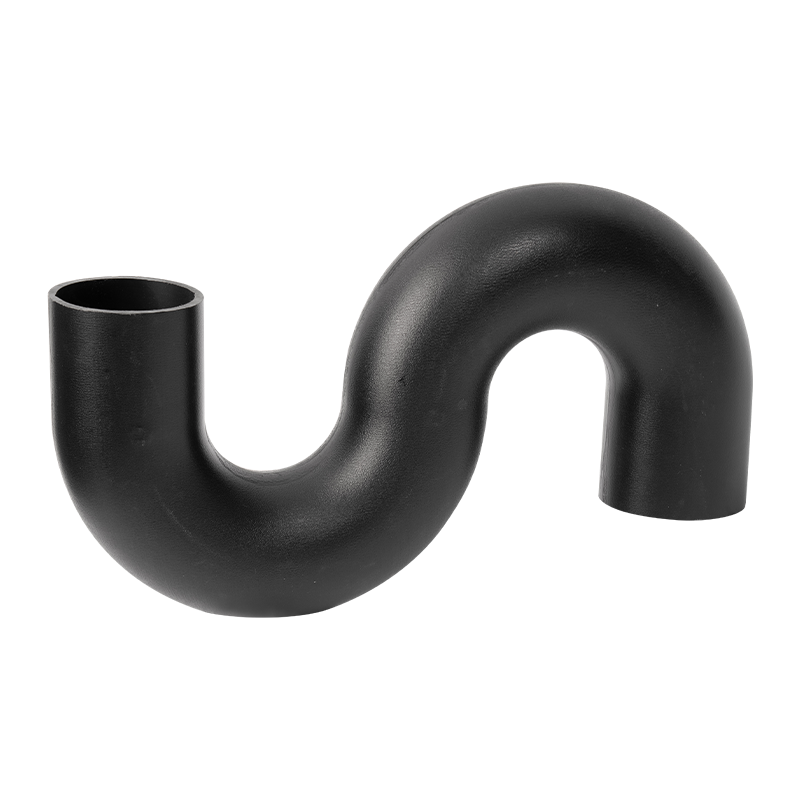
In modern building water supply and drainage systems, PE Pipe Fittings Horizontal Floor Drain are widely used due to their excellent corrosion resistance, reliable connection performance, and flexible installation characteristics. Proper installation is key to ensuring smooth drainage and reliable sealing.
Adequate preparation before installing a PE Pipe Fittings Horizontal Floor Drain can effectively improve construction efficiency and ensure installation quality.
On-site Inspection: Check if the reserved holes or floor drain installation positions are accurate and if the elevation meets design requirements. The ground base should be clean and free of protruding hard objects.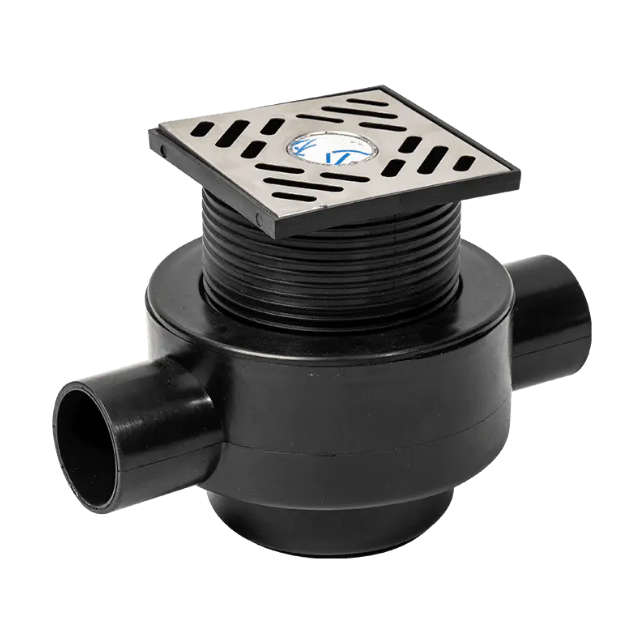
First, determine the accurate installation location of the PE pipe fitting horizontal floor drain based on the design drawings or site conditions. The top surface of the floor drain should be slightly lower than the finished surface (such as a tiled surface) by about 2–5mm to create a natural slope, ensuring water flows smoothly into the drain. Use a level to check.
Pipe Treatment: Cut the PE pipe vertically using professional cutting tools according to the required connection length, and clean the burrs on the inside and outside of the pipe with a deburr.
Floor Drain Connection: PE pipe fitting horizontal floor drains are usually connected to the PE drainage pipe using electrofusion or heat fusion to ensure the sealing and strength of the joint.
Electrofusion Connection (Recommended): Clean the drain socket and pipe connection area, and scrape off the oxide layer with a scraper.
Important: Before connection, the surfaces must be absolutely clean, dry, and free of oil—critical for ensuring weld quality.
Place the connected PE pipe fitting horizontally into the pre-drilled hole, ensuring the drain outlet faces the correct direction.
Use a level to recheck the levelness and elevation. Adjust using shims or supports if necessary.
After the connection has cooled and solidified, fill and secure the gaps around the drain body with cement mortar or special fixing material to ensure stability.
This is a critical step in preventing leaks, especially in wet areas like bathrooms.
Protection Measures: During later construction (tiling, etc.), cover the drain to prevent debris from entering.
Water Test: After waterproof curing, fill the drain area with water to check drainage performance and ensure no leakage occurs.
By following the above steps and precautions, you can ensure that the horizontal floor drain with PE pipe fittings is installed firmly and reliably, maximizing drainage performance and providing long-term protection for the building.
 General Manager Mr.Song +86-18868665013 / Miss Zhou +86-13757458992
 International Sales Manager: Jim Yao +86-18968349877
 +86-574-62939789
 Wechat/WhatsApp: +86-18968349877
 [email protected]; [email protected]
 No. 147 Dushan, Sanqi Town, Yuyao City, Zhejiang Province
Copyright © Ningbo Heqi Pipe Co., Ltd. All rights reserved. Wholesale Drainage Pipes Manufacturer Drainage Fittings Supplier



 EN
EN

 English
 中文简体
中文简体