 2025.10.13
 Industry News
Content
In modern industry and urban infrastructure construction, whether for high-pressure gas pipelines, municipal water supply networks, or specialized fluid transport, the quality of PE pipe connections remains extremely high. Traditional mechanical connections or simple hot-melt methods often fail to completely eliminate leakage during long-term operation, especially in complex underground environments and subject to environmental fluctuations. It is against this backdrop that PE electro fusion pipe clamps, with their superior "leak-free" electrofusion technology, have become a revolutionary solution for pipe connection, gradually setting new industry standards.
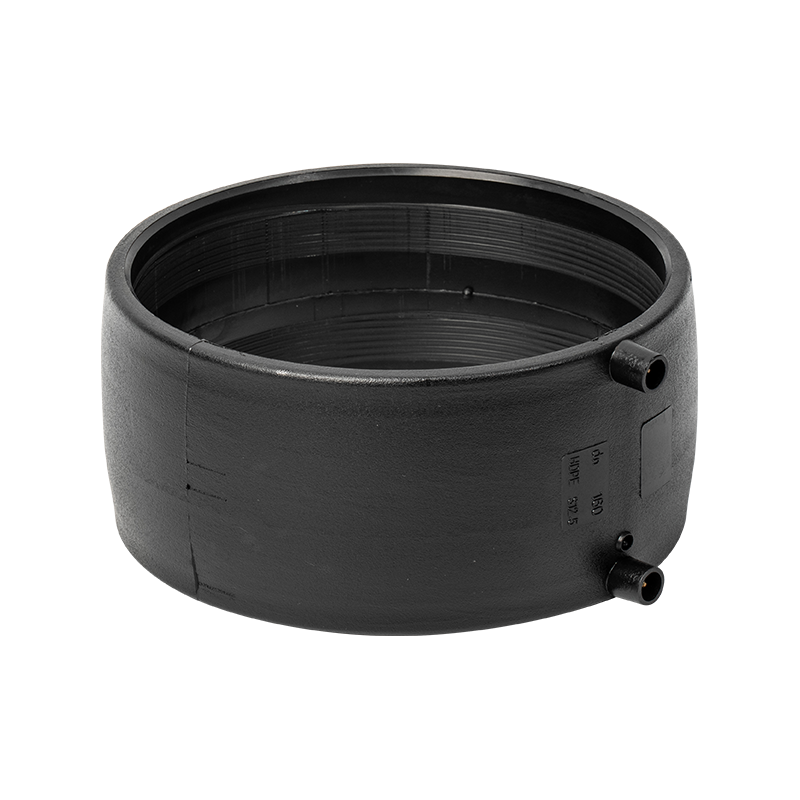
A PE electrofusion pipe clamp (polyethylene electrofusion coupler) is a fitting specifically designed for connecting polyethylene (PE) pipes. Its most distinctive feature is a high-resistivity heating wire precisely embedded within the inner wall of the clamp.
Its core function is to use the high temperature generated by the current to bond the clamp to the outer wall of the PE pipe to be connected, at the molecular level. When a dedicated electrofusion welding machine is applied to the clamp, the heating wire heats up, rapidly connecting the PE materials in the contact area. During this process, the PE molecular chains within the connector undergo interconnection, diffusion, and cross-linking. After cooling and solidification, the joint and the pipe body become an imperceptible, completely homogeneous whole. This means that the joint's service life, strength, and corrosion resistance are exactly the same as the pipe material, fundamentally eliminating the risk of pipe clamping and leakage caused by material differences or seal aging.
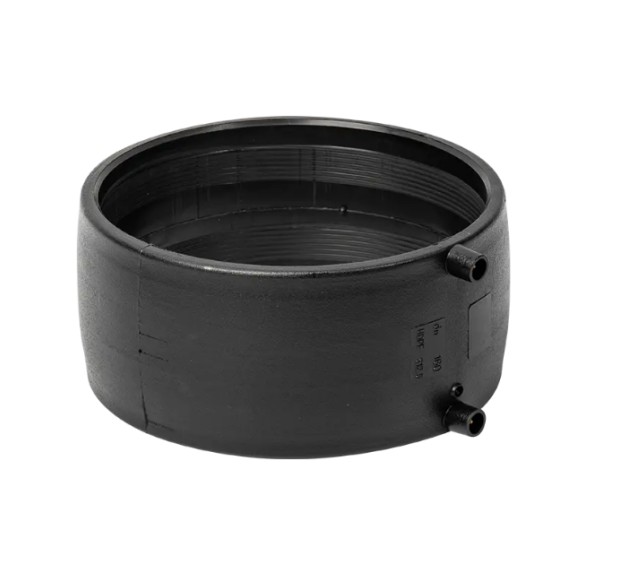
The reliability of electrofusion technology stems from its precisely controlled operating principle, which in turn yields many significant core advantages:
The entire process follows a precise cycle. First, the installer thoroughly cleans and scrapes the pipe joint area (down to the oxide layer). Then, a pipe clamp is inserted into the pipe and the barcode on the clamp is scanned by the welding machine. The welding machine automatically recognizes and executes the preset current and parameters. The current-generated heating wire heats the pipe, conducting heat and causing the PE material to join under a certain pressure. After cooling, the molecules align, ultimately forming a PE pipe joint with extremely strong tensile strength.
In actual engineering applications, PE electric fusion pipe clamps provide precise solutions to several key pain points of traditional pipe installation:
Traditional methods struggle with consistent worker experience, alignment accuracy, and heating temperature. Electric fusion pipe clamps automatically control welding parameters, minimizing key quality variables, ensuring consistent and highly stable connection quality.
Traditional hot-melt butt welding equipment is bulky and requires a sufficient working surface. Electric fusion pipe clamps and welders offer flexible operation, making pipe installation in basements, tunnels, or existing towers a breeze.
The joint formed by the electric fusion connection has good flexibility, which can effectively absorb the agility caused by foundation settlement, temperature changes or minor earthquakes, and significantly enhance the seismic resistance and long-term injection of the entire pipeline system.
| Pipeline pain points | PE electrofusion pipe clamp solutions | Key Advantages |
| High leakage risk | Eliminate all mechanical seals and joints, achieving molecular-level homogeneous fusion. | Zero leakage, high sealing |
| Low construction efficiency | Easy to operate, requiring no complex alignment equipment, and fast connection. | No construction required, high efficiency |
| Complex field conditions | Highly resistant to ambient temperature and humidity, suitable for a variety of environments. | Management and environmental foresight |
| Difficult to control quality | Automatically controls welding parameters to prevent leaks caused by human error. | Traceable quality, standardized |
Although electrofusion technology itself is highly reliable, in actual operation, a small number of pipe clamp leaks often result from negligence in construction specifications.
This can be a cause of disconnection. If the oxide layer on the pipe surface (a layer that protects PE pipe from aging) is not thoroughly scraped off with a dedicated scraper before connection, or if dirt, oil, or grounding material remains in the joint area, this can lead to insufficient contact and a cold weld, which can cause leakage.
After welding, the PE material requires some time to fully cool and solidify, regaining its full mechanical strength. If the pipe is moved prematurely, or if external forces are applied to the joint or pressure tests are performed during this final cooling period (usually strictly specified), the joint, which is still in a plastic state, can be damaged, resulting in a short circuit.
Using incompatible welding parameters (such as incorrect welding time) or forcing the connection with an extremely unstable power supply voltage can affect the accurate heating and preheating of the heating wire.
Therefore, strictly adhering to the standardized process of "cleaning" → scraping → alignment → welding → "sufficient cooling" is key to ensuring a successful PE electric fusion pipe clamp connection.
During pipeline repair and maintenance, technicians often ask: Can PE electric fusion pipe clamp joints be re-fused?
Industry regulations and technical standards provide the answer: strictly prohibited.
PE pipe clamps are designed for instantaneous, indirect fusion. Re-fusing a completed joint can have the following serious consequences:
Therefore, if any problems arise with an installed PE electrofusion pipe joint, the correct repair method is to cut off the entire joint and reconnect it using a new PE electrofusion pipe clamp at a healthy location on the pipe. This ensures the long-term safe and reliable operation of the piping system.
In the field of polyethylene (PE) pipe connection technology, butt fusion and PE electro fusion pipe clamps are mainstream and widely accepted methods. While both achieve permanent connections of PE pipes, they differ fundamentally in their principles, applications, and connection quality control, determining their distinct roles in engineering projects.
| Features | PE Fusion Pipe Clamps (Electrofusion) | Butt Fusion |
| Connection principle | Brazing: Using an internal heating wire within the clamp, heat is applied to the clamp's inner wall and the outer wall of the pipe, creating a brazed connection. | End-face fusion: The ends of two pipes are simultaneously heated to the socket. After removing the heating plate, they are directly pressed together under pressure to form an end-to-end connection. |
| Applied pressure | This connection relies on the gap pressure between the pipe and the pipe and the expansion pressure of the heat exchanger. | This process relies on the combined butt welding pressure applied by an external machine. |
| Connection type | This creates an imperceptible, homogeneous connection with high joint strength. | This creates an imperceptible, homogeneous connection with high joint strength. |
The biggest difference between electrofusion and electrofusion lies in their operational flexibility on the construction site:
Site Limitations: Electrofusion pipe clamps are compact, requiring less alignment, making them particularly suitable for precise and confined spaces, working below the surface, or in complex environments such as pipeline repairs where large equipment deployment is difficult.
Pipe Diameter Compatibility: Electric fusion pipe clamps offer significant advantages and consistent quality for connecting small and medium-sized pipes (e.g., DN 20 to DN 315). Butt fusion machines are more suitable for mainline construction of large-diameter pipes.
Operational Complexity: The electric fusion process is highly automated. The welder scans the pipe sequence and automatically controls welding parameters, significantly reducing reliance on worker experience and making quality easier to standardize and trace. Butt fusion, on the other hand, requires extremely high precision, heating temperature, and pressure control, and relies more heavily on operator experience.
Although the material cost of a single pipe clamp typically covers the energy consumed and pipe loss during the hot fusion process, the overall efficiency is often higher:
Hot-butt fusion pipes prioritize efficiency and materials, and are ideal for large pipe diameters and cost-effective construction. PE electric fusion pipe clamps, on the other hand, offer high reliability, adaptability to complex environments, and traceable quality control, making them the preferred choice for municipal pipe networks, gas systems, and high-standard projects.
The advantage of the PE electric technology system lies not only in the high reliability of straight-through pipe clamps, but also in its extensive and comprehensive range of fittings, which can handle nearly all bends, diameter changes, branches, and functional requirements in fusion pipe systems.
Electric straight-through pipe clamps (couplers): The foundation of straight-line pipe connections and the most commonly used fitting, used to connect two PE pipes of the same diameter.
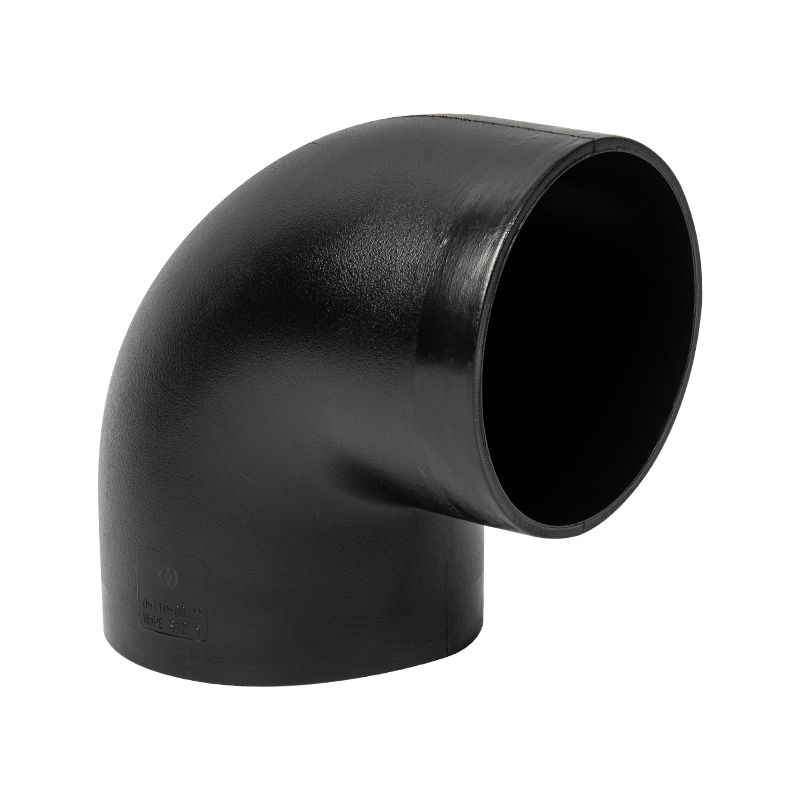
Electrofusion elbows: Used to change the direction of pipes. Common examples include 90° and 45° electric fusion elbows, which are used to achieve horizontal or vertical bends in bridges.
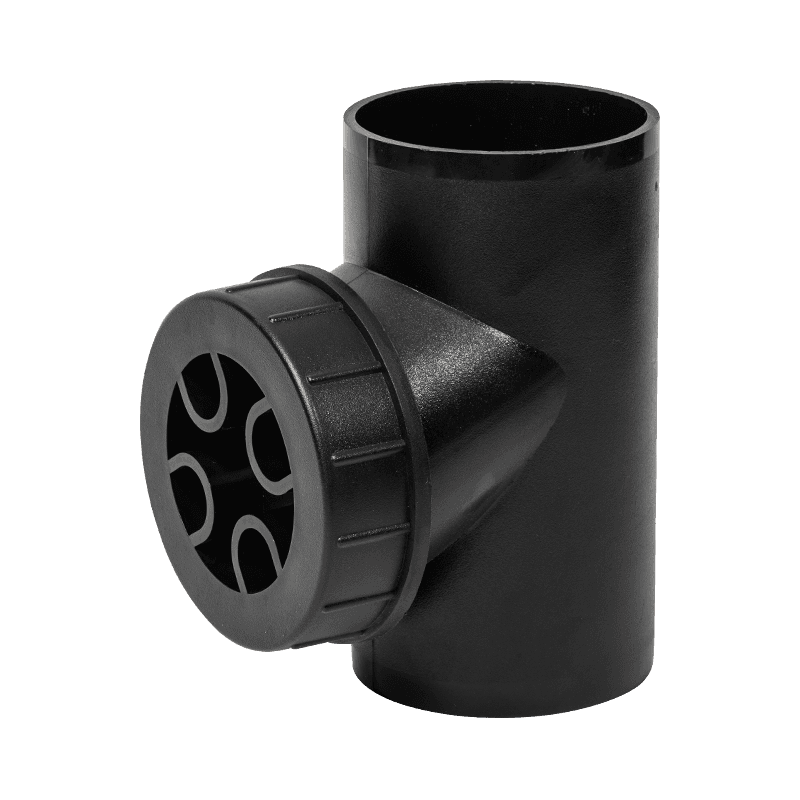
Electrofusion tees (equal/reducing tees): Used for pipe branching.
Equal-diameter tees: Available in three diameters.
Reducing tees: Available for main lines and support towers with different diameters, meeting flow or pressure distribution requirements.
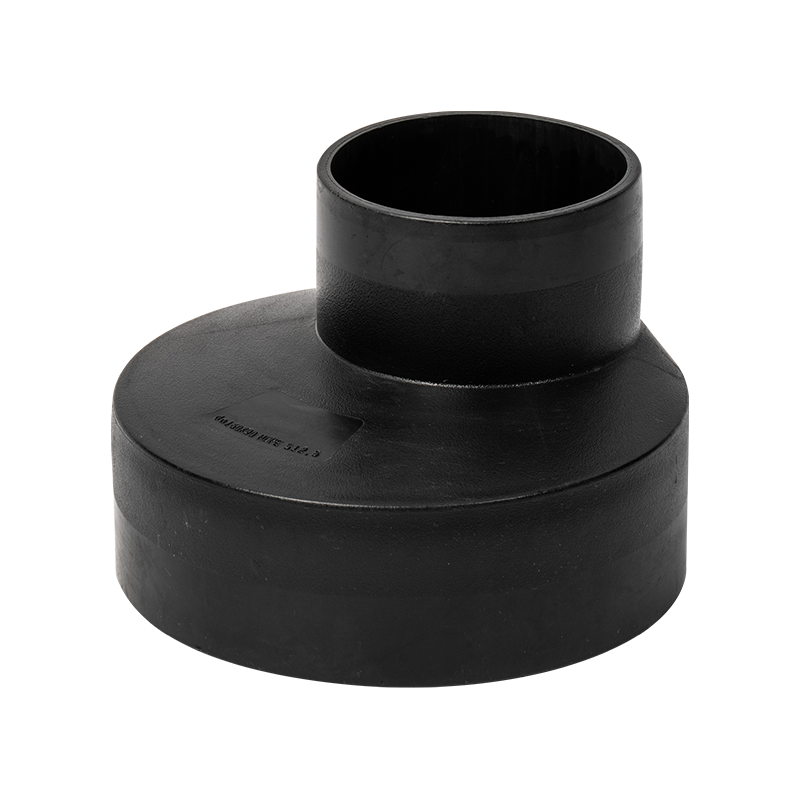
Electrofusion reducers: Used to connect pipes of different diameters, achieving smooth, stepped connections.
Electrofusion end caps: Used for sealing or temporary plugging to ensure the tightness of piping systems.
Saddles are core products used in electrofusion technology to solve in-service pipe opening, branching, or emergency repair needs, demonstrating the immense application value of electrofusion:
Electrofusion Water/Gas Branch Saddles: Used to create a new branch pipe from a main line without disrupting the main line's operation. They contain internal cutting blades, allowing for the opening of a new pipe using a tool after welding.
Electrofusion Stop-Off Saddles: Used to temporarily block or limit flow during emergency repairs on gas or fluid pipelines. They are a safety tool for pressurized operations and emergency repairs.
Electrofusion Transition Fittings: Used to connect PE pipes to other materials (such as steel, cast iron, and copper). These fittings typically have an electrofusion PE connector at the beginning and a metal threaded or flanged connector at the other end.
Electrofusion Valves/Electrofusion Connecting Valves: Some high-end valves are designed with electrofusion connections, allowing them to be installed directly onto PE valves via electrofusion, ensuring a high-tight seal between the valve and the pipe.
This comprehensive and highly specialized line of PE electrofusion fittings enables engineers to design and install modern PE pipe connection systems that meet diverse complex operating conditions and high safety standards.
 General Manager Mr.Song +86-18868665013 / Miss Zhou +86-13757458992
 International Sales Manager: Jim Yao +86-18968349877
 +86-574-62939789
 Wechat/WhatsApp: +86-18968349877
 [email protected]; [email protected]
 No. 147 Dushan, Sanqi Town, Yuyao City, Zhejiang Province
Copyright © Ningbo Heqi Pipe Co., Ltd. All rights reserved. Wholesale Drainage Pipes Manufacturer Drainage Fittings Supplier



 EN
EN

 English
 中文简体
中文简体