 2026.02.20
 Industry News
Content
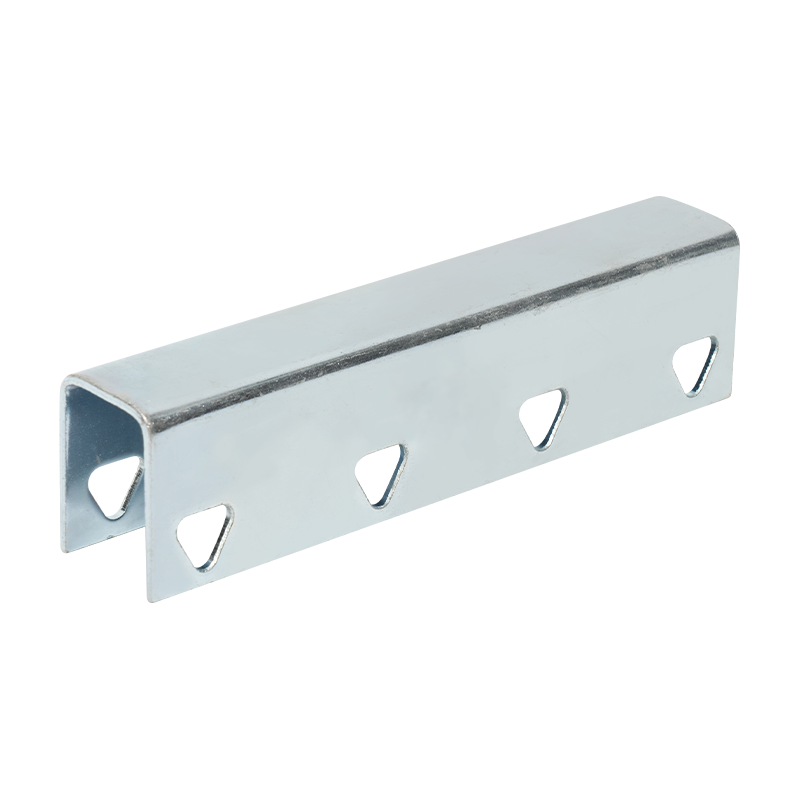
Suspension Pipe Clamp are mainly suitable for various pipeline systems that require “top load-bearing + suspended support,” including water supply and drainage pipelines, HVAC pipelines, fire protection pipelines, industrial fluid transmission pipelines, and cable tray systems. Due to their characteristics of stable load-bearing capacity, flexible installation, and strong spatial adaptability, Suspension Pipe Clamp have become indispensable pipeline support components in modern construction engineering and industrial pipe networks.
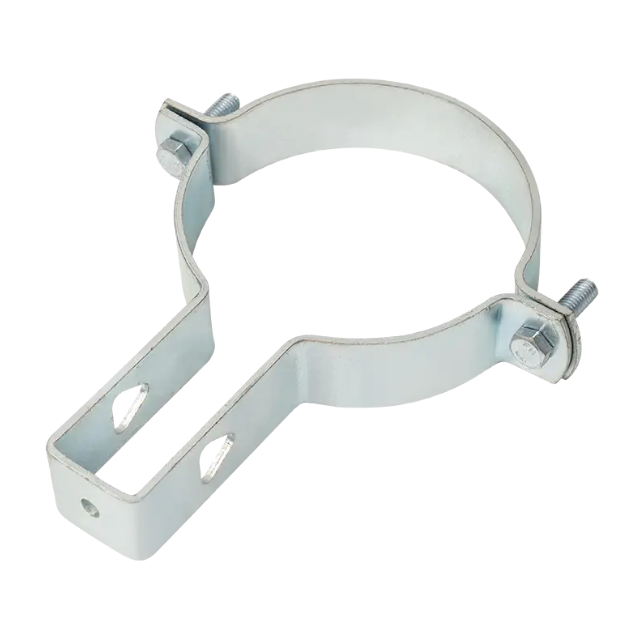
In building water supply and drainage systems: Suspension Pipe Clamp are often used to fix pipelines to the upper slab structure, achieving vertical load transfer and stable support.
Typical application scenarios include: suspended installation of high-rise building water supply riser pipes, top fixation of sewage pipelines, basement drainage system support, suspended installation of rainwater pipelines.
Advantages: effectively dispersing the self-weight of pipelines, preventing pipeline sagging and deformation, improving the overall stability of the pipeline system, and facilitating later inspection and maintenance. In PVC pipeline systems, PPR pipeline systems, and PE pipeline systems, Suspension Pipe Clamp all have good adaptability.
In HVAC systems: Suspension Pipe Clamp are widely used in air ducts, water pipes, and refrigerant pipeline systems, and are important support components to ensure long-term stable system operation.
Applicable pipeline types include: chilled water pipelines, cooling water pipelines, air-conditioning refrigerant pipelines, fresh air system pipelines, and air duct support structures. In large commercial complexes and industrial plants, Suspension Pipe Clamp can significantly enhance the seismic resistance and vibration resistance of pipeline systems, reducing structural fatigue risks caused by equipment operation.
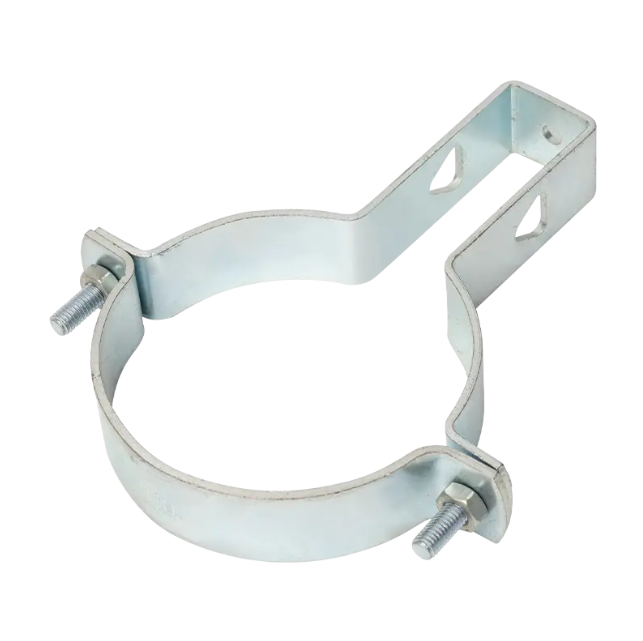
Fire protection systems have extremely high requirements for pipeline stability and reliability: Suspension Pipe Clamp play a key role in fire protection engineering.
Typical applications include: suspended fixation of fire sprinkler pipe networks, support of fire hydrant pipeline systems, load-bearing suspension of fire main pipelines.
The core advantages of using Suspension Pipe Clamp lie in: long-term stable load-bearing, strong impact resistance, good seismic performance, and compliance with fire protection engineering structural safety standards. In steel fire protection pipeline systems and stainless steel pipeline systems, Suspension Pipe Clamp are standard configuration support structures.
In industrial fields such as chemical engineering, food, pharmaceuticals, and power: Suspension Pipe Clamp are widely used in industrial fluid transmission systems.
Common application systems: chemical medium transmission pipelines, industrial cooling water systems, compressed air pipelines, steam transmission pipelines, oil transmission systems. In these systems, Suspension Pipe Clamp not only undertake load-bearing functions, but also play important roles in shock absorption, positioning, and structural stabilization, effectively reducing stress concentration caused by thermal expansion and contraction of pipelines.
In addition to traditional fluid pipelines: Suspension Pipe Clamp are also widely used in modern engineering in: cable tray systems, comprehensive utility tunnel projects, smart city underground pipe networks, and data center weak-current pipeline systems.
Their advantages lie in: modular installation, flexible layout, easy expansion, and convenient maintenance, meeting the requirements of modern engineering for system integration and standardized construction.
| Pipeline Type | Compatibility | Application Description |
| Galvanized steel pipe | High | Standard configuration in conventional engineering |
| Stainless steel pipe | High | Industrial and food-grade systems |
| PVC pipe | Medium | Needs to be used with anti-slip pads |
| PPR pipe | High | Commonly used in water supply systems |
| PE pipe | High | Municipal and industrial pipe networks |
| Composite pipe | High | Multi-system compatibility |
The core selection factors include: matching of pipe diameter specifications, load-bearing capacity grade, material corrosion resistance, installation structural form, seismic grade requirements, environmental humidity, and corrosiveness.
Engineering practice shows: large-diameter systems should prioritize heavy-duty Suspension Pipe Clamp, humid environments should prioritize stainless steel or anti-corrosion coated pipe clamps, vibration environments should use Suspension Pipe Clamp with damping structures.
With the continuous expansion of construction engineering and industrial pipe network systems: Suspension Pipe Clamp have been upgraded from “auxiliary accessories” to “structural support components.” Whether in water supply and drainage systems, HVAC systems, fire protection engineering, or industrial fluid transmission and comprehensive utility tunnel construction, Suspension Pipe Clamp play an irreplaceable role in support and stabilization.
 General Manager Mr.Song +86-18868665013 / Miss Zhou +86-13757458992
 International Sales Manager: Jim Yao +86-18968349877
 +86-574-62939789
 Wechat/WhatsApp: +86-18968349877
 [email protected]; [email protected]
 No. 147 Dushan, Sanqi Town, Yuyao City, Zhejiang Province
Copyright © Ningbo Heqi Pipe Co., Ltd. All rights reserved. Wholesale Drainage Pipes Manufacturer Drainage Fittings Supplier



 EN
EN

 English
 中文简体
中文简体