 2026.07.17
 Industry News
Content
The direct answer is that PE hot-melt pipe fittings are used to connect sections of polyethylene pipe by heat-fusing the fitting and pipe surfaces together into a single continuous material, which is why they are widely used in municipal water supply, natural gas distribution, agricultural irrigation, mining slurry transport, and industrial chemical piping systems. Because the fusion process melts the pipe and fitting surfaces and lets them cool into one solid joint rather than relying on threads, adhesives, or mechanical clamps, the resulting connection is generally as strong as the pipe wall itself and does not introduce a separate leak-prone seal point. The sections below cover the main application categories in more detail, along with the fitting types commonly used in each, installation methods, and how hot-melt joints compare to other pipe connection approaches. Buyers sourcing fittings for a specific project can review a PE hot-melt pipe fittings product range to compare available diameters and fitting configurations before finalizing a system design.
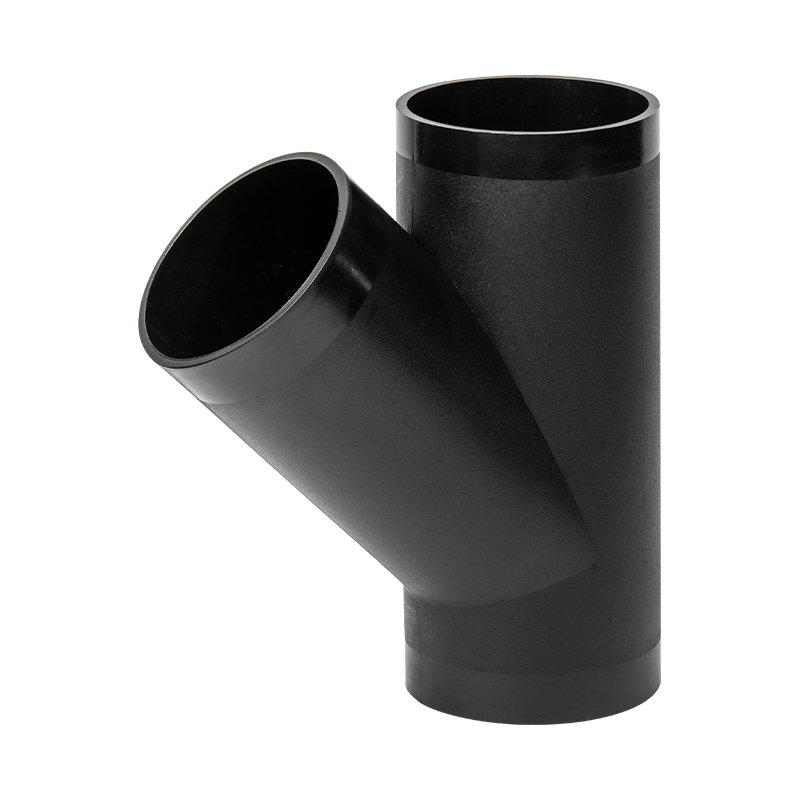
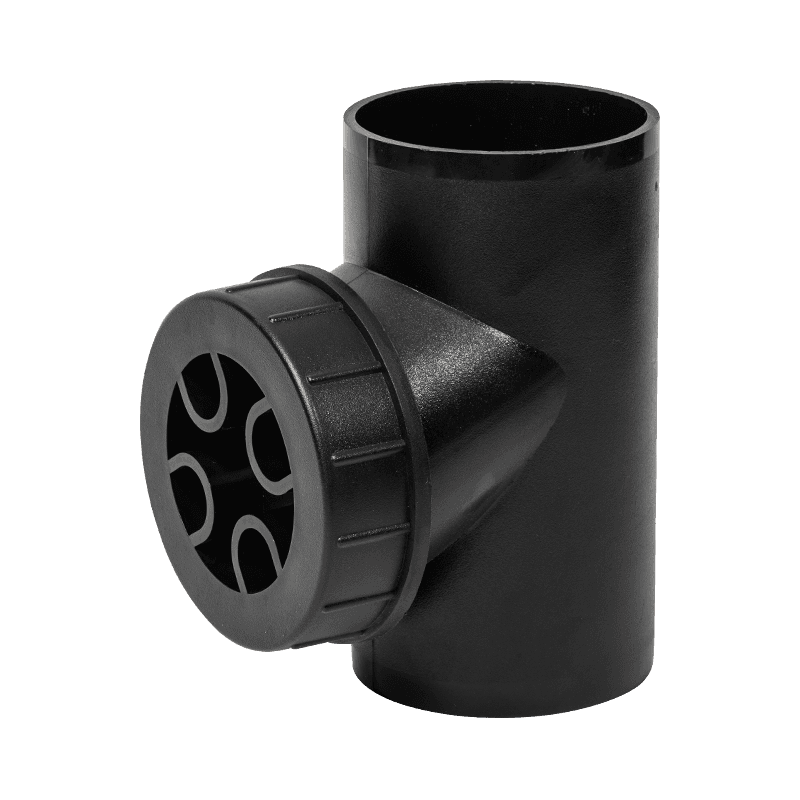
Water utilities commonly use PE hot-melt pipe fittings for both main distribution lines and service connections because the fused joint eliminates the corrosion risk associated with metal fittings buried underground for decades. Since the joint becomes a continuous piece of polyethylene rather than a separate mechanical seal, there is no gasket or threaded connection that can degrade over time from soil chemistry or water pressure cycling. Elbows, tees, and reducers are the most frequently used fitting types in this application, allowing pipelines to change direction, branch off toward individual service lines, or step down in diameter as the network moves from a main trunk line to smaller distribution branches.
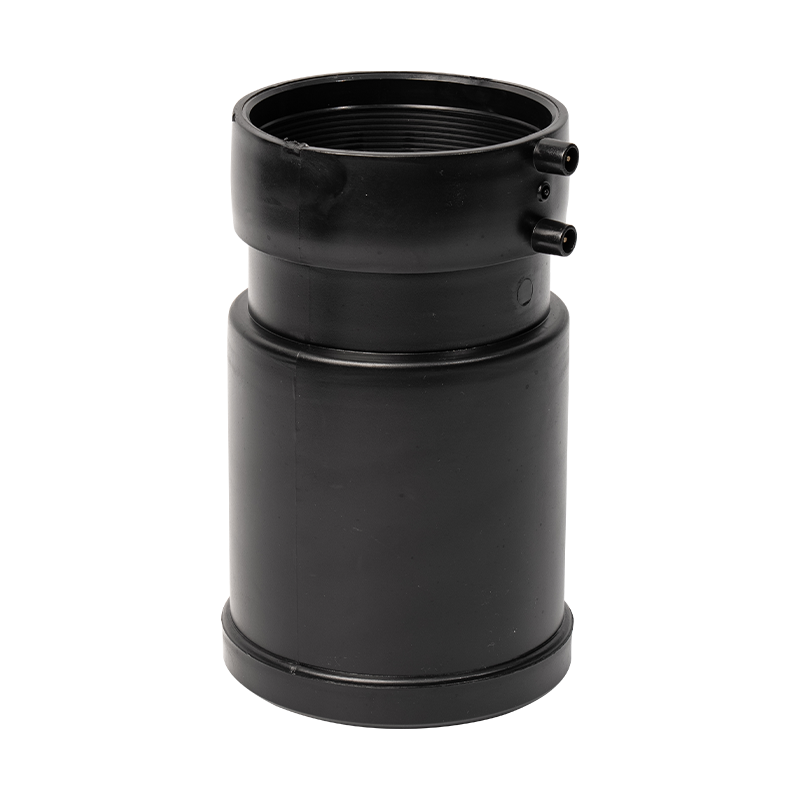
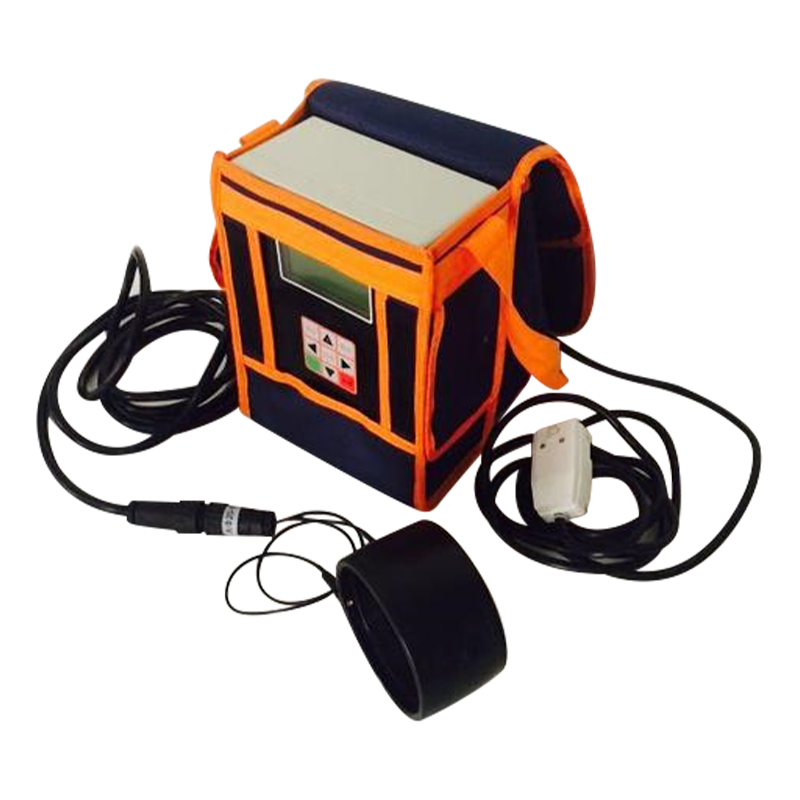
Gas utility networks are one of the sectors where fused polyethylene fittings are most strictly relied upon, since a fully fused joint significantly reduces the risk of the slow leaks that can occur at threaded or mechanically clamped connections over long service periods. Electrofusion fittings, which contain an embedded heating wire that fuses the joint when an electrical current is applied, are particularly common in gas distribution work because they allow a controlled, repeatable fusion process even in confined trench conditions where a full butt-fusion machine setup would be difficult to use. Regulatory bodies overseeing gas distribution infrastructure in many regions require fusion-joined polyethylene systems specifically because of this reduced-leak-path characteristic compared to older jointing methods.
Large-scale irrigation systems benefit from PE hot-melt fittings because agricultural pipelines are often installed across long, uneven terrain where flexibility and resistance to soil movement matter as much as raw pressure rating. A fused polyethylene system can tolerate a degree of ground shifting without joint failure, which is a meaningful advantage over more rigid pipe materials in fields that experience seasonal freeze-thaw cycles or settling. Saddle fittings, which allow a smaller branch line to be fused directly onto the side of a larger main line without cutting the main pipe, are especially common in irrigation layouts where numerous smaller offtakes need to be added along a single trunk line feeding different sections of a field.
In mining and heavy industrial settings, PE hot-melt pipe fittings are used to move abrasive slurry, process water, and various industrial fluids where corrosion resistance and abrasion tolerance both matter. Because polyethylene does not corrode the way steel or cast iron piping can under prolonged exposure to acidic or mineral-heavy slurry, fused PE systems in this setting generally require less frequent replacement of fittings compared to metal alternatives exposed to the same conditions. The smooth internal bore of a properly fused joint also avoids the small ridges or gaps that mechanical couplings can leave, which reduces turbulence and the associated wear on the pipe wall directly downstream of each fitting.
Beyond outdoor infrastructure, PE hot-melt fittings are also used indoors in cooling water loops and select chemical process lines where the fluid being transported is compatible with polyethylene's chemical resistance profile. Manufacturers typically publish chemical compatibility charts covering common industrial fluids, and checking this compatibility before specifying polyethylene fittings for a chemical process application is a standard step in system design, since not every industrial fluid is suitable for long-term contact with polyethylene material.
The core advantage of hot-melt jointing is that it does not rely on a separate sealing element the way threaded, flanged, or compression fittings do. Based on typical polyethylene piping industry data, fused PE pipe systems are commonly rated for a service life in the range of fifty years or more under normal operating conditions, which is notably longer than the expected service interval for many mechanically jointed metal systems that require periodic gasket or seal replacement. The table below summarizes some of the practical differences between fused polyethylene joints and traditional mechanical jointing methods.
| Joint integrity | Fused into continuous material, no separate seal | Relies on gasket, thread seal, or compression ring |
| Corrosion exposure | Not susceptible to metal corrosion | Metal components can corrode over time |
| Ground movement tolerance | Flexible joint tolerates minor shifting | Rigid joint more sensitive to shifting |
| Maintenance interval | Minimal once properly fused | Periodic seal or gasket inspection typically needed |
Two installation methods are commonly used with PE hot-melt fittings, and choosing between them generally depends on pipe diameter, fitting type, and site conditions. Butt fusion involves heating the flat, matching faces of the pipe and fitting with a heater plate, then pressing them together under controlled pressure until they cool into a single joint, and it is typically used for larger diameter, straight-run connections such as joining two lengths of main pipeline. Electrofusion instead uses a fitting with an embedded heating element that is activated electrically once the fitting is placed over or around the pipe, and it is generally preferred for tighter spaces, branch connections, or repair situations where a full butt fusion machine setup is impractical.
Choosing the correct fitting depends on the pipe diameter, the pressure rating required for the application, and the specific role the fitting plays in the layout, whether that is changing direction, branching, reducing diameter, or terminating a line. Pressure rating is typically tied to the polyethylene material grade, commonly labeled with designations such as PE80 or PE100, with PE100 generally offering a higher pressure rating for a given wall thickness compared to PE80 grade material. Matching the fitting grade to the pipe grade being used is important, since mismatched material grades can affect fusion compatibility and the long-term strength of the completed joint. Project engineers evaluating options for a new installation often start by reviewing a PE hot-melt pipe fittings catalog to confirm available diameter ranges and pressure ratings align with the system design before finalizing material orders.
Recommended Products
 General Manager Mr.Song +86-18868665013 / Miss Zhou +86-13757458992
 International Sales Manager: Jim Yao +86-18968349877
 +86-574-62939789
 Wechat/WhatsApp: +86-18968349877
 [email protected]; [email protected]
 No. 147 Dushan, Sanqi Town, Yuyao City, Zhejiang Province
Copyright © Ningbo Heqi Pipe Co., Ltd. All rights reserved. Wholesale Drainage Pipes Manufacturer Drainage Fittings Supplier



 EN
EN

 English
 中文简体
中文简体