 2026.07.24
 Industry News
Content
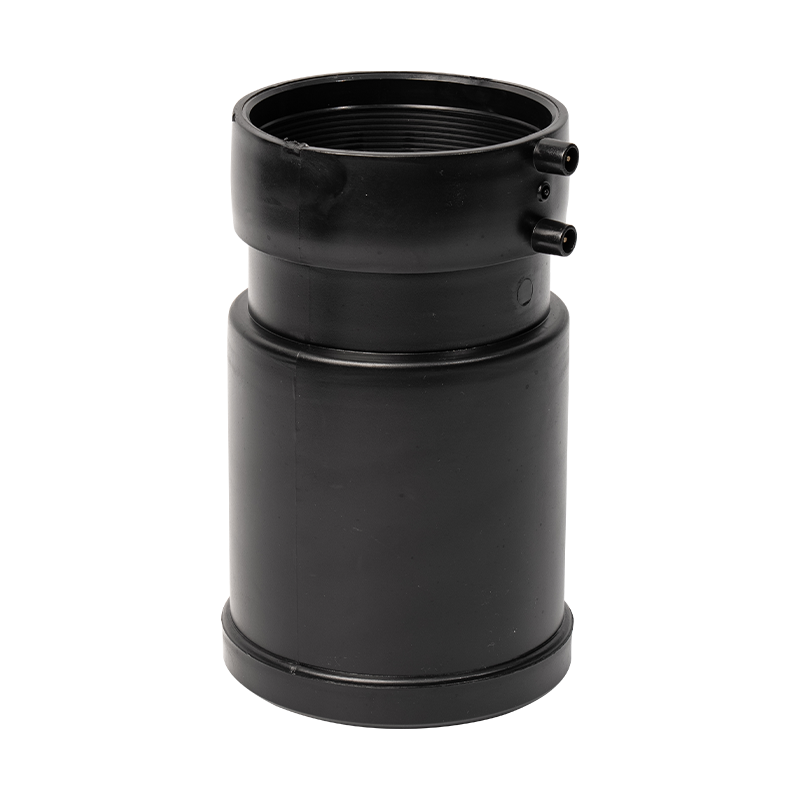
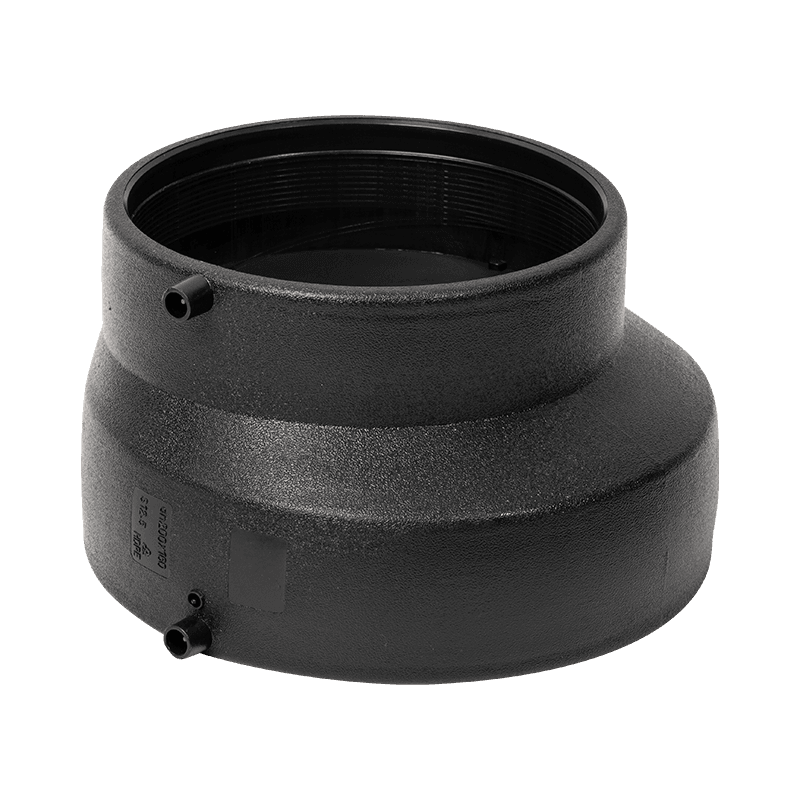
The most common connection methods used with drainage electrofusion fittings are electrofusion welding, butt fusion, and socket fusion, with electrofusion welding being the primary method the fittings themselves are designed around, since it uses an embedded resistance wire inside the fitting to melt and bond the pipe and fitting together into a single continuous joint. This method is widely used in underground drainage systems because it produces a leak-resistant, fully fused connection without requiring open flame or mechanical clamping. A properly manufactured Drainage Electrofusion Fittings Series is engineered specifically to work with this welding process, ensuring consistent fusion quality across couplers, tees, elbows, and reducers used throughout a drainage network. The sections below explain how each connection method works and when it is typically used.
Electrofusion welding is the defining connection method for this category of fittings, using a low voltage electric current passed through a resistance wire embedded in the fitting wall. As current flows through the wire, it generates heat that melts both the inner surface of the fitting and the outer surface of the inserted pipe, fusing the two polyethylene surfaces into one continuous material once cooled.
Underground drainage systems require joints that resist both internal pressure and external soil movement over long service periods, and a fully fused electrofusion joint achieves this because the fitting and pipe become one continuous piece of material rather than two separate parts held together mechanically. Testing standards such as ISO 13954, which covers fusion joint performance for polyethylene piping systems, are commonly referenced by manufacturers to verify that fused joints meet strength and integrity requirements before products reach the market.
Butt fusion is commonly used alongside electrofusion for joining longer straight pipe runs before electrofusion fittings are used to connect branches, tees, or directional changes. In this method, two pipe ends are heated using a flat heating plate until the surfaces reach a molten state, then pressed together under controlled pressure to fuse into a single joint as they cool.
| Application | Preferred Method |
| Long straight pipe runs | Butt fusion |
| Branch connections, tees, elbows | Electrofusion fittings |
| Repair sections or tight access areas | Electrofusion couplers |
Socket fusion is generally reserved for smaller diameter pipe connections, using heated tooling to simultaneously melt the outer surface of the pipe and the inner surface of a fitting socket before pressing them together by hand. While less common in larger drainage networks compared with electrofusion, it remains a practical option for smaller branch lines or service connections where a portable heating tool is more convenient than a full electrofusion control box.
Because socket fusion relies more heavily on operator technique and consistent pressure application than electrofusion, which is automated through a controlled current, quality can vary more between installers. This is one reason electrofusion remains the preferred method for critical drainage joints where consistent, verifiable weld quality matters most.
Understanding the practical differences between these three methods helps installers and project planners choose the right approach for each section of a drainage system.
| Method | Equipment Needed | Best Suited For |
| Electrofusion Welding | Electrofusion control unit | Branch fittings, tees, elbows, couplers |
| Butt Fusion | Heating plate and alignment clamps | Long straight pipe sections |
| Socket Fusion | Portable heating tool | Smaller diameter branch or service lines |
Since electrofusion is the primary method used with this fitting series, following correct preparation steps has a direct impact on final joint quality and long term reliability. Skipping surface preparation or misjudging insertion depth are among the most common causes of joint failure in the field.
Most electrofusion control units used with modern fittings include automated logging of voltage, fusion time, and temperature, allowing installers to confirm that each joint met the parameters set by the fitting manufacturer. Some fittings also include visual fusion indicators, small pins that rise slightly during the welding process, giving installers a quick visual confirmation that fusion occurred as expected before the pipe is backfilled or put into service.
Not all electrofusion fittings are manufactured to the same tolerance or resistance wire specification, so selecting a fitting series designed for consistent fusion performance across a range of pipe diameters helps reduce the risk of joint failure on large drainage projects. A Drainage Electrofusion Fittings Series engineered with precise resistance wire placement and standardized fusion parameters gives installers a more predictable and repeatable connection process, particularly on projects involving multiple pipe diameters and fitting types across the same drainage network.
 General Manager Mr.Song +86-18868665013 / Miss Zhou +86-13757458992
 International Sales Manager: Jim Yao +86-18968349877
 +86-574-62939789
 Wechat/WhatsApp: +86-18968349877
 [email protected]; [email protected]
 No. 147 Dushan, Sanqi Town, Yuyao City, Zhejiang Province
Copyright © Ningbo Heqi Pipe Co., Ltd. All rights reserved. Wholesale Drainage Pipes Manufacturer Drainage Fittings Supplier



 EN
EN

 English
 中文简体
中文简体