 2025.11.07
 Industry News
Content
In modern engineering construction, PE pipes (polyethylene pipes) and HDPE pipes (high-density polyethylene pipes) are widely used piping materials. Although both belong to the polyethylene family, their molecular structures and densities result in fundamental differences in engineering performance and applicable scenarios.
PE Pipes: This is a general term referring to all pipe products made from polyethylene, including various density grades such as low-density polyethylene (LDPE) and medium-density polyethylene (MDPE).
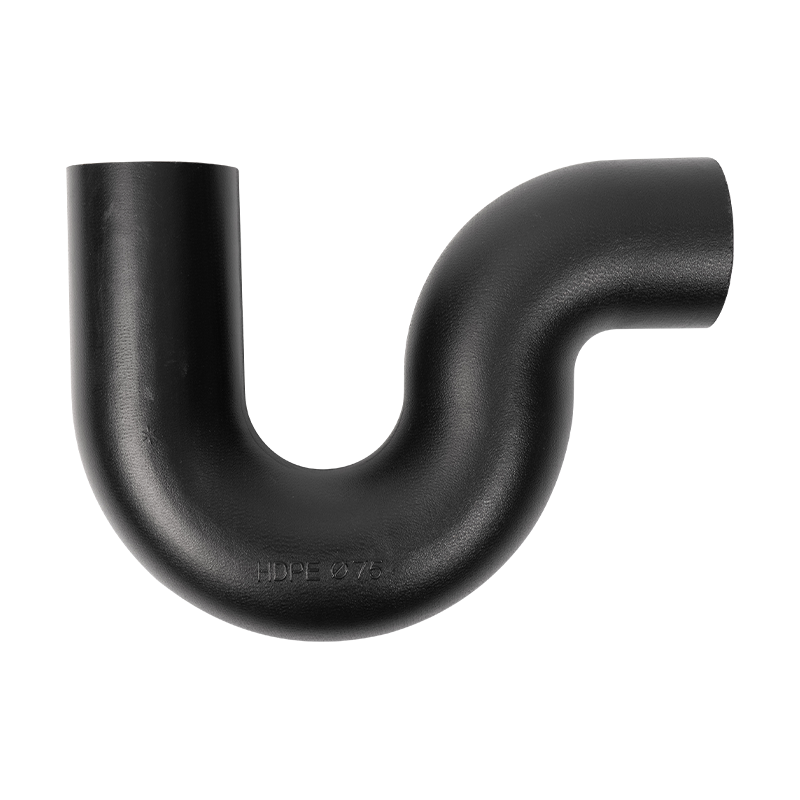
HDPE Pipes: Specifically refers to high-density polyethylene pipes. They are characterized by a more compact molecular chain arrangement and higher crystallinity, resulting in superior physical and mechanical properties.
HDPE pipes have a significant advantage over general-density PE pipes in key performance indicators:
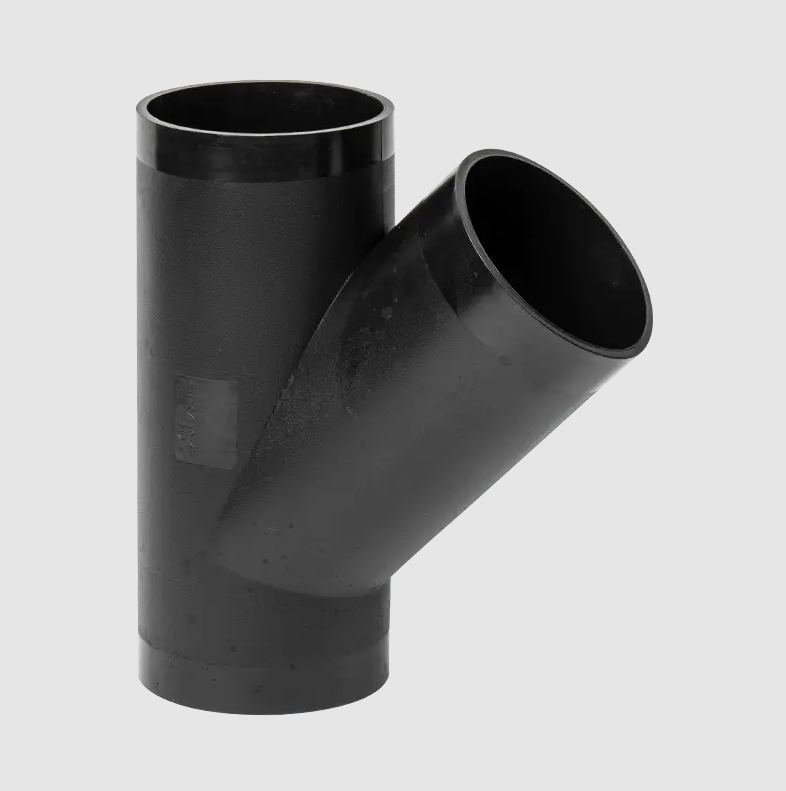
HDPE pipes have become a popular choice in modern engineering primarily due to the following factors:
Choosing the right pipe depends on the specific project's design pressure, the corrosiveness of the transported medium, and the burial environment. This requires users to decide whether to use general-purpose PE pipes or high-performance HDPE pipes.
Recommended Products
 General Manager Mr.Song +86-18868665013 / Miss Zhou +86-13757458992
 International Sales Manager: Jim Yao +86-18968349877
 +86-574-62939789
 Wechat/WhatsApp: +86-18968349877
 [email protected]; [email protected]
 No. 147 Dushan, Sanqi Town, Yuyao City, Zhejiang Province
Copyright © Ningbo Heqi Pipe Co., Ltd. All rights reserved. Wholesale Drainage Pipes Manufacturer Drainage Fittings Supplier



 EN
EN

 English
 中文简体
中文简体