 2025.11.01
 Industry News
Content
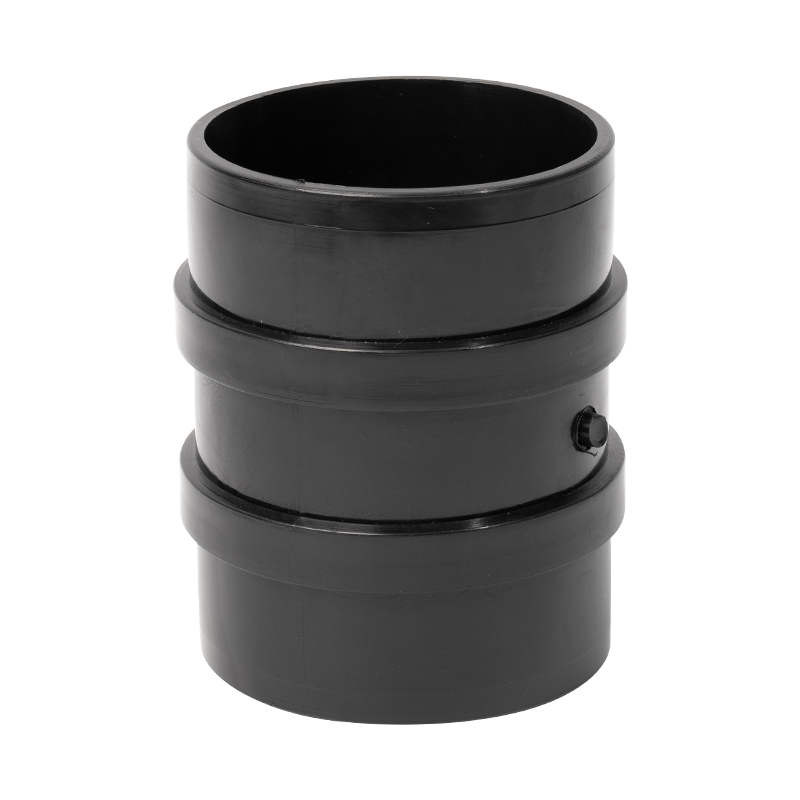
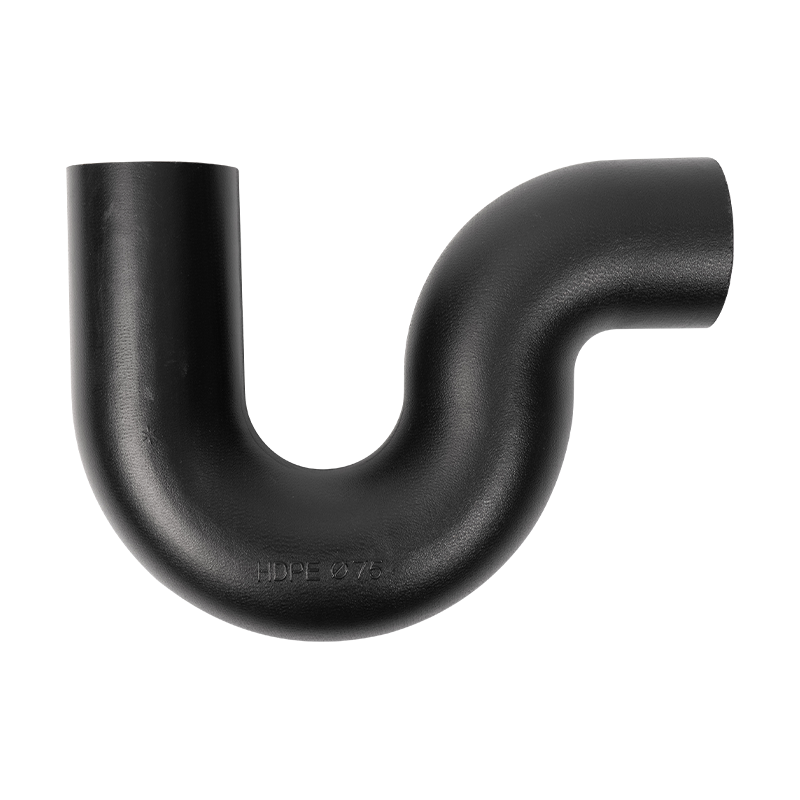
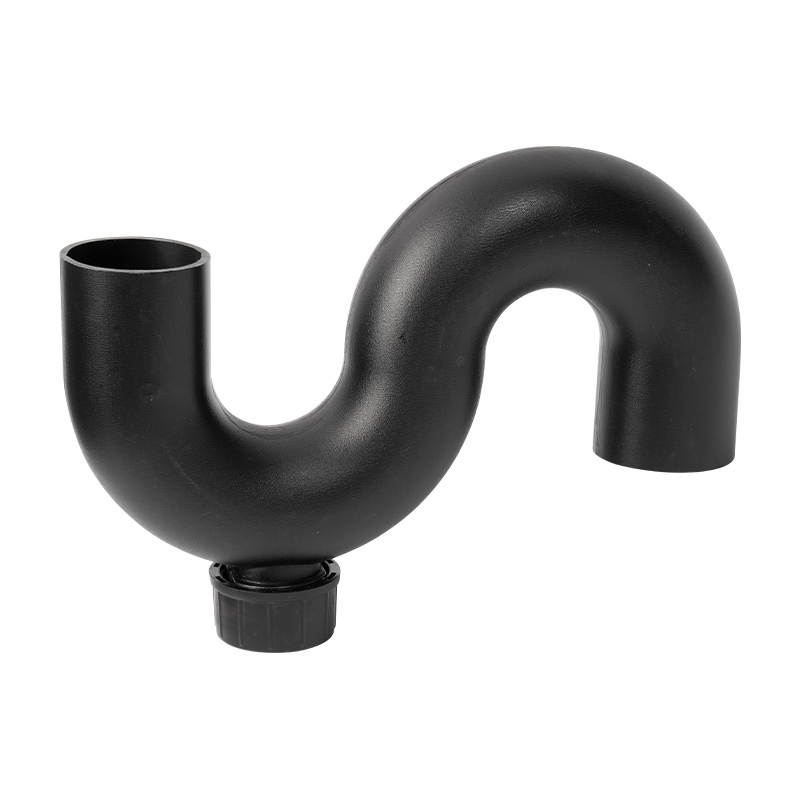
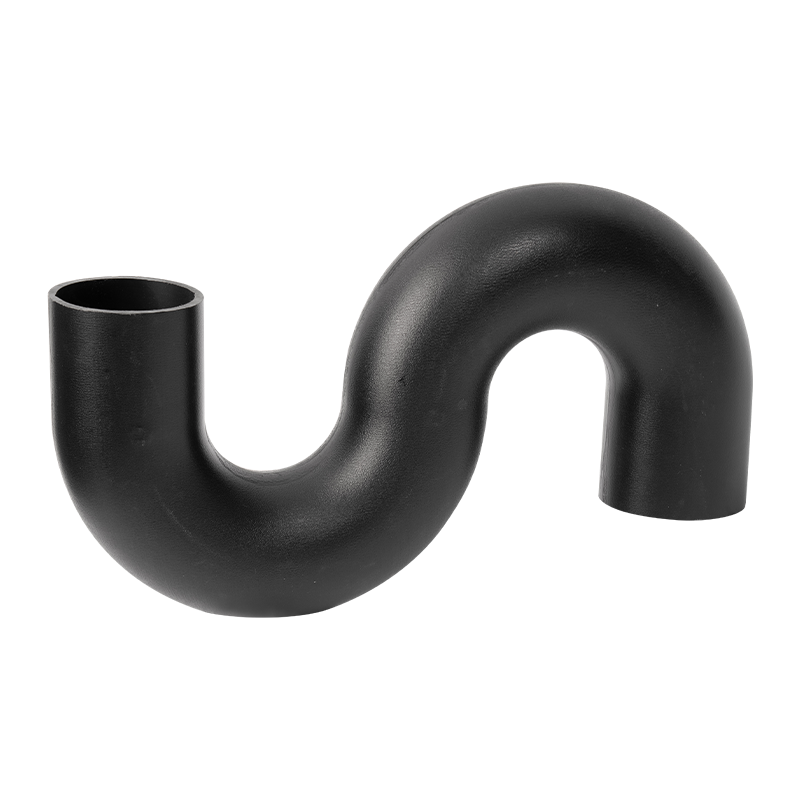
In today's infrastructure construction and industrial applications, choosing the right piping material is crucial for the long-term success of a project. Among numerous options, HDPE pipes (High-Density Polyethylene pipes) have become a leading solution due to their superior performance and wide range of applications.
HDPE pipes are thermoplastic pipes made from high-density polyethylene resin. This material is renowned for its high strength, corrosion resistance, flexibility, and lightweight properties. The high molecular structure of HDPE resin gives the pipes excellent wear resistance and impact resistance, making them an ideal alternative to traditional metal and PVC pipes.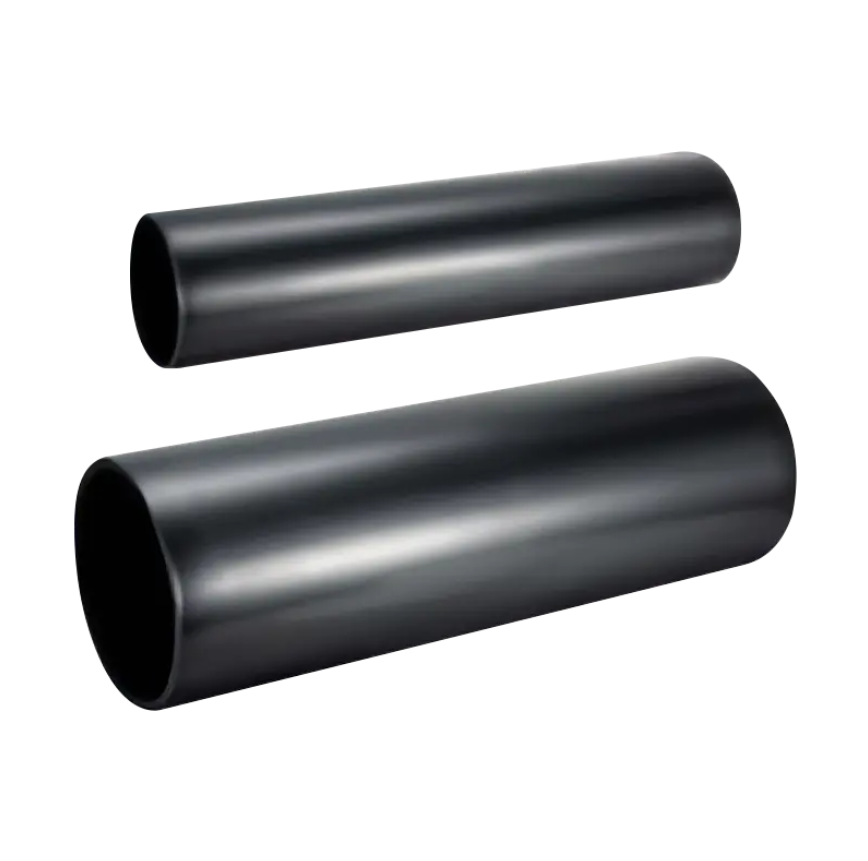
Understanding the characteristics of HDPE pipes helps explain why they stand out in numerous industries:
Superior Corrosion Resistance: HDPE material has a natural resistance to a variety of chemical media, and it will not rust, corrode, or scale. This makes HDPE pipes ideal for transporting fluids containing acids, alkalis, or corrosive substances.
High Impact Resistance and Flexibility: HDPE pipes possess excellent flexibility, allowing them to withstand geological subsidence and seismic activity without cracking. They also exhibit outstanding crack resistance under high pressure.
Long Service Life: Under proper installation and use, HDPE pipes typically have a service life exceeding 50 years, significantly reducing maintenance and replacement costs.
Environmental and Economic Benefits: HDPE is a recyclable material, meeting sustainable development requirements. Its lightweight nature and heat-fusion connection technology (ensuring the integrity and zero leakage of the piping system) make installation faster and less costly.
Excellent Hydraulic Performance: The smooth inner wall reduces water flow resistance, improving fluid transport efficiency and reducing the growth of bacteria and algae.
Thanks to these advantages, HDPE pipes have an extremely wide range of applications, covering several key industries:
With its leak-proof and corrosion-resistant properties, HDPE pipes are ideal for urban drinking water delivery, drainage, and wastewater treatment systems.
HDPE pipes possess excellent sealing properties and stress crack resistance, making them widely used in pipelines for transmitting natural gas and liquefied petroleum gas.
In industries such as mining, chemicals, and power generation, HDPE pipes are commonly used for slurry transportation, process water, and the transport of corrosive fluids.
Their flexibility and ease of installation make them an effective tool for large-scale agricultural irrigation systems.
The tensile strength of HDPE pipes plays a crucial role in trenchless construction techniques such as directional drilling and pipe-pulling, significantly reducing ground damage.
HDPE pipes are more than just pipes; they represent a future-oriented, sustainable piping system solution. Their unique chemical and physical properties ensure reliable operation in extreme environments, providing strong support for modern infrastructure development.
 General Manager Mr.Song +86-18868665013 / Miss Zhou +86-13757458992
 International Sales Manager: Jim Yao +86-18968349877
 +86-574-62939789
 Wechat/WhatsApp: +86-18968349877
 [email protected]; [email protected]
 No. 147 Dushan, Sanqi Town, Yuyao City, Zhejiang Province
Copyright © Ningbo Heqi Pipe Co., Ltd. All rights reserved. Wholesale Drainage Pipes Manufacturer Drainage Fittings Supplier



 EN
EN

 English
 中文简体
中文简体