 2026.01.16
 Industry News
Content
PE pipes (polyethylene pipes) are a core material in modern pipeline engineering, and the reliability of their connection methods directly affects the safety and lifespan of the pipeline system. This article will detail commonly used PE pipe connection methods, including heat fusion, electrofusion, and mechanical connections, and their applicable scenarios, helping engineers and users choose the most suitable PE pipe connection solution.
Heat fusion is one of the most common methods for PE pipe connections, suitable for large-diameter PE pipeline systems. It involves heating the interface of the pipe and fittings with a specialized heat fusion welding machine, melting them, pressurizing and fusing them, and then cooling to form a strong, integrated connection.
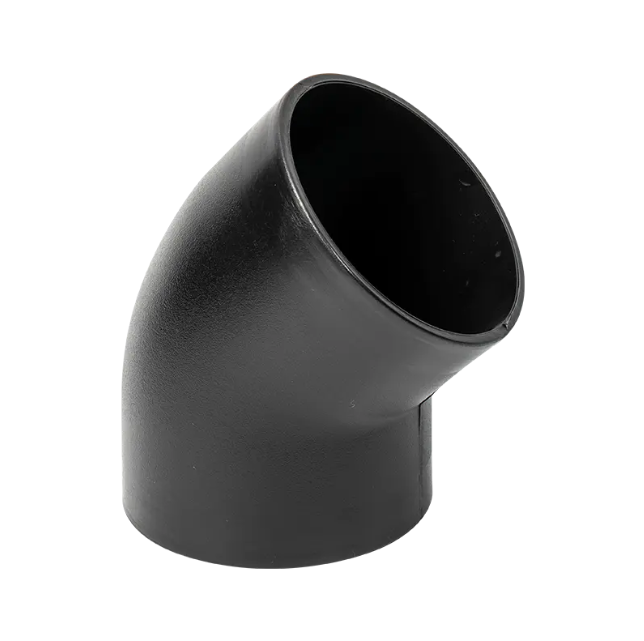
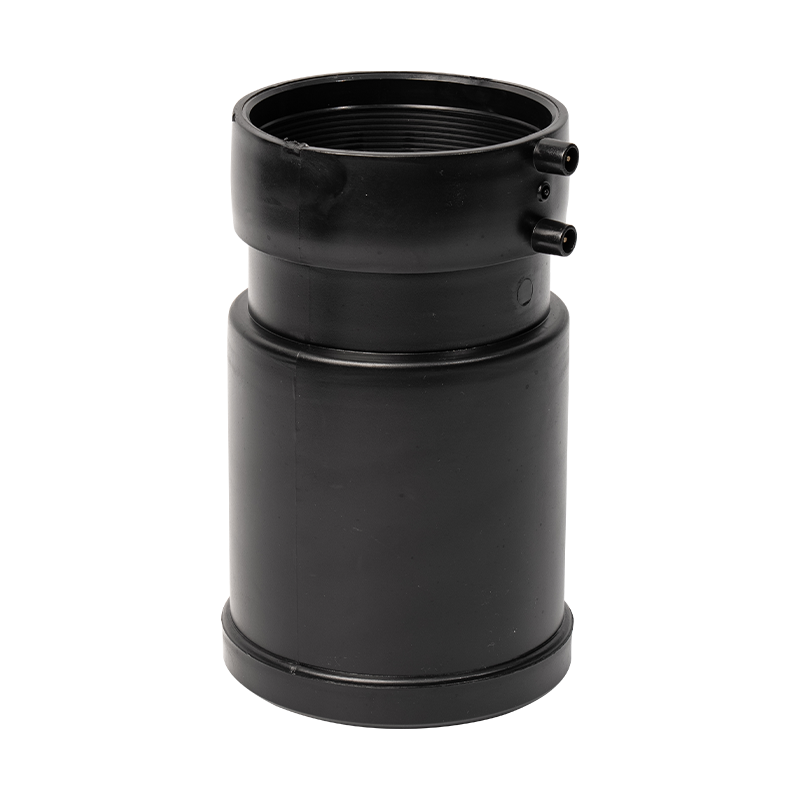
Electrofusion connection utilizes PE pipe fittings with heating wires, fusing the pipe and fitting together through electrical heating. This method has lower requirements for the operating environment and is particularly suitable for construction in confined spaces or in the field.
Mechanical connections require no heating, achieving a seal through physical tightening. Suitable for temporary pipes or applications requiring frequent disassembly.
When selecting a suitable PE pipe connection technology, the following factors should be considered:
PE pipes offer various connection methods, each with its own advantages. Heat fusion connections offer high strength, electrofusion connections are precise and convenient, and mechanical connections are flexible and easy to use. Correct selection and standardized construction can fully utilize the corrosion resistance and long service life of PE pipes, ensuring the safe and stable operation of the piping system. With technological advancements, PE pipe connection processes will continue to be optimized, providing more reliable solutions for various projects.
 General Manager Mr.Song +86-18868665013 / Miss Zhou +86-13757458992
 International Sales Manager: Jim Yao +86-18968349877
 +86-574-62939789
 Wechat/WhatsApp: +86-18968349877
 [email protected]; [email protected]
 No. 147 Dushan, Sanqi Town, Yuyao City, Zhejiang Province
Copyright © Ningbo Heqi Pipe Co., Ltd. All rights reserved. Wholesale Drainage Pipes Manufacturer Drainage Fittings Supplier



 EN
EN

 English
 中文简体
中文简体