 2026.03.13
 Industry News
Content
Drainage electrofusion fittings are specialized pipe connection components that use electrical resistance heating to fuse polyethylene (PE) pipes together, creating a seamless, leak-resistant joint without mechanical fasteners, adhesives, or open-flame welding. An electrical heating wire is embedded inside the fitting's inner wall; when current is applied, it melts the pipe surface and the fitting interior simultaneously, forming a unified molecular bond upon cooling.
In drainage applications, these fittings are an indispensable component of plastic pipe systems, used wherever pipes must be joined, redirected, branched, or reduced in diameter — underground, in buildings, and across infrastructure networks where joint integrity is critical.
The electrofusion process is precise and repeatable. Here is how a standard joint is made:
The result is a joint where the pipe and fitting material become one continuous structure. There is no gasket, no sealant, and no mechanical interface that can degrade over time.
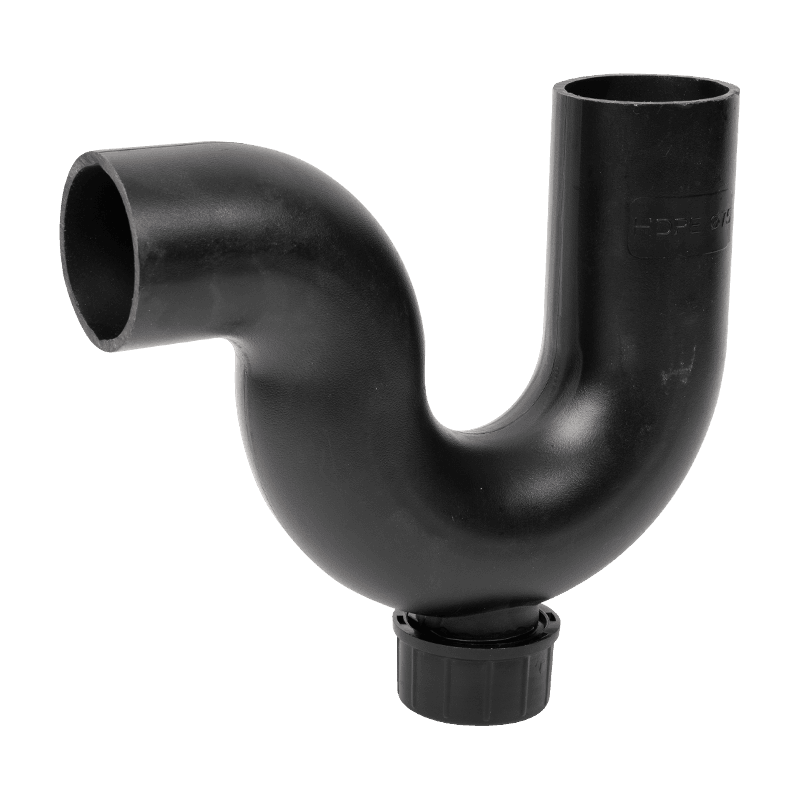
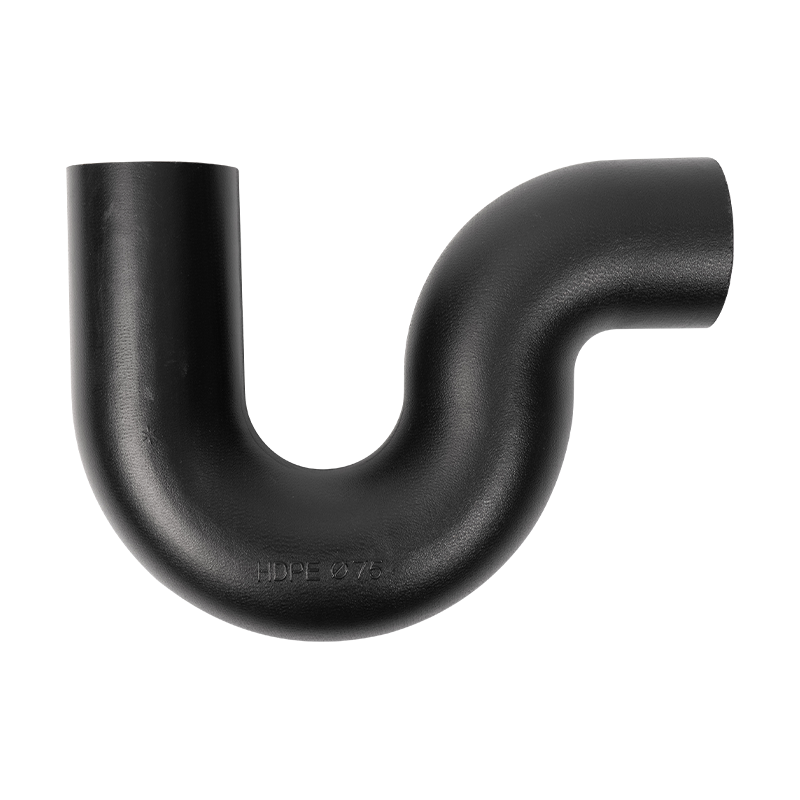
The electrofusion fitting range covers every functional requirement in a drainage pipe system. The main types are:
A saddle fitting that clamps onto an existing pipe to create a new branch connection without cutting the main line. Widely used for adding service connections to installed drainage networks. Available for pipe diameters from 63 mm to 630 mm.
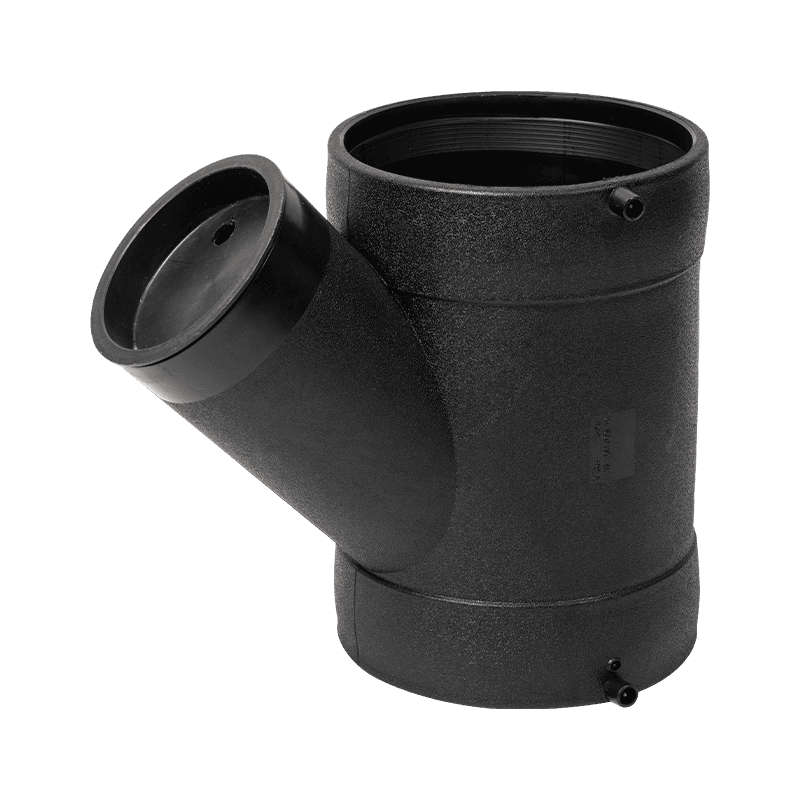
A three-port fitting used to branch a pipeline at a 90° angle or at specified angles. Used at junctions where a new run of drainage pipe splits from the main line. Available in equal and reducing configurations.
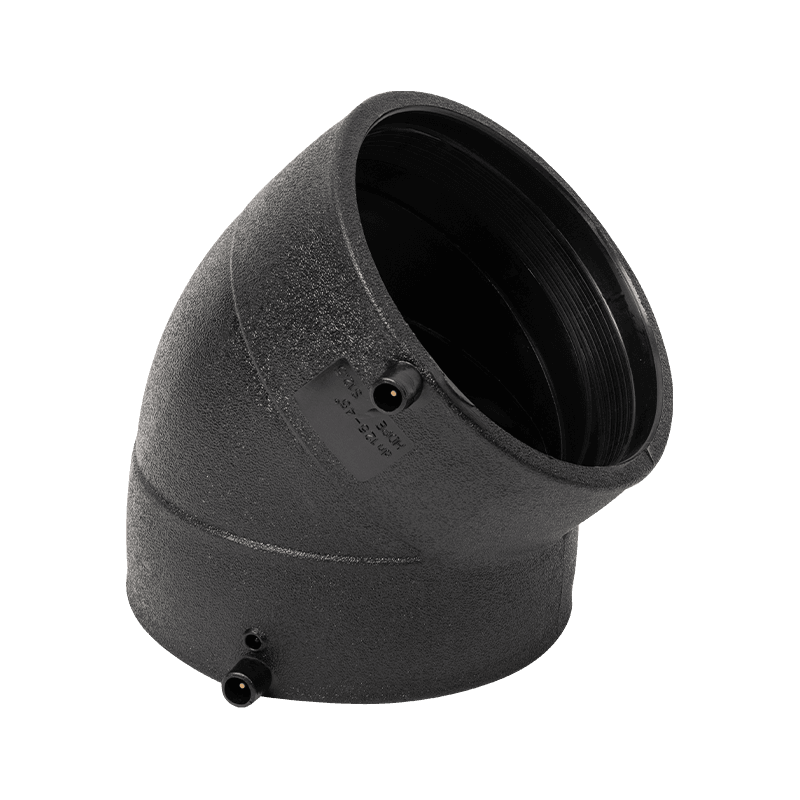
Used to change the direction of a pipeline. Standard angles include 45° and 90°, allowing drainage runs to navigate around obstacles or follow building layouts. Electrofusion elbows maintain full bore and eliminate the risk of leaks at directional changes.
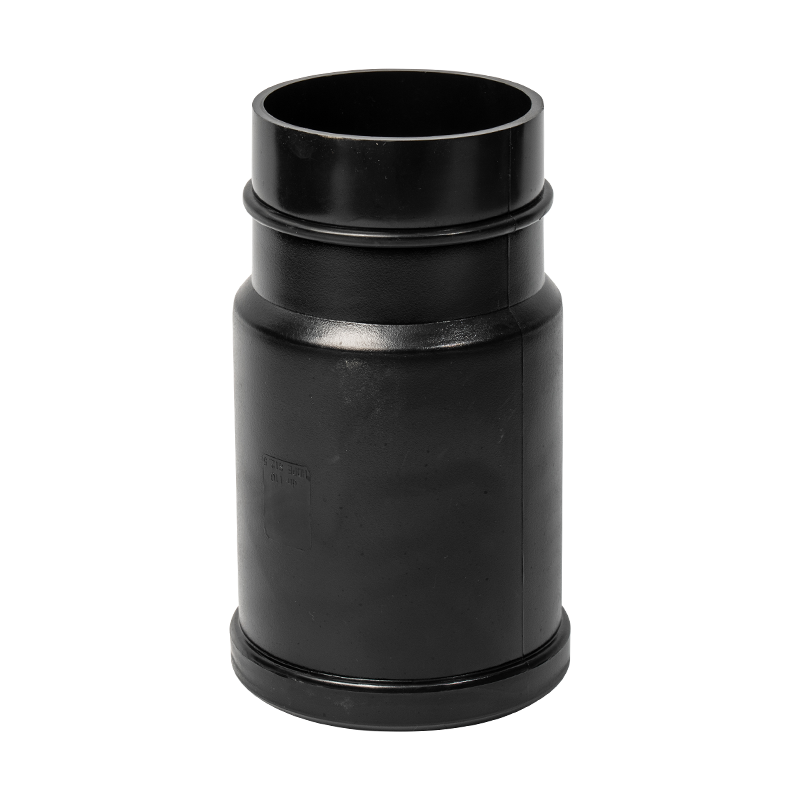
Connects pipes of two different diameters. The eccentric design offsets the centerlines of the two pipe ends, which is especially important in drainage applications to maintain a consistent invert level (the bottom of the pipe bore) and ensure unobstructed gravity flow.
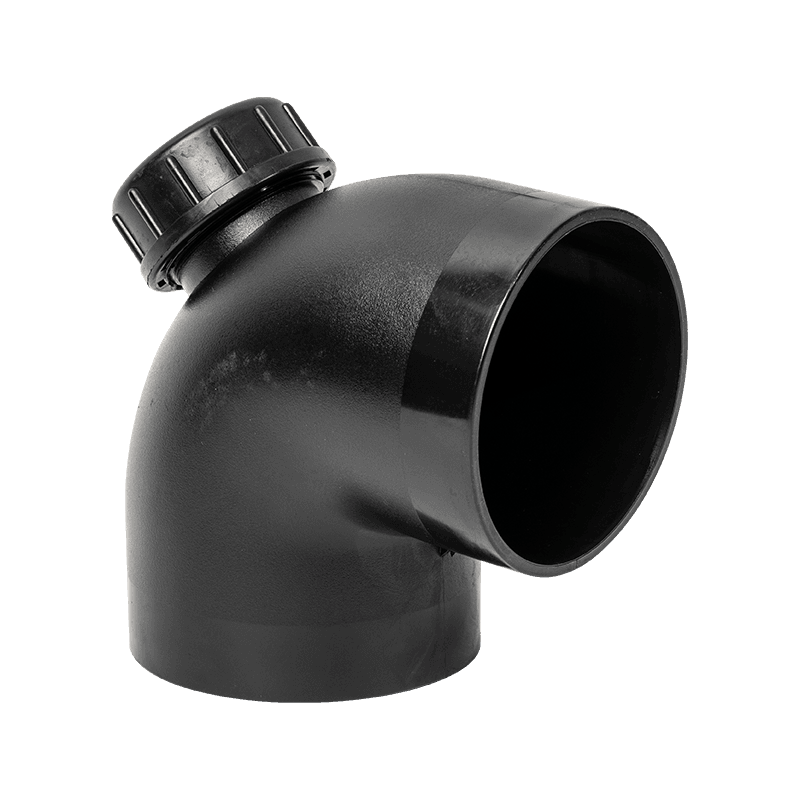
Provides a sealed access point in the drainage line for inspection, cleaning, and maintenance without requiring the system to be opened destructively. Critical for compliance with drainage maintenance regulations in commercial and municipal installations.
The most fundamental fitting type — a straight connector used to join two pipe sections end to end. Used for extending runs, repairing damaged sections, or joining new pipe to existing infrastructure.
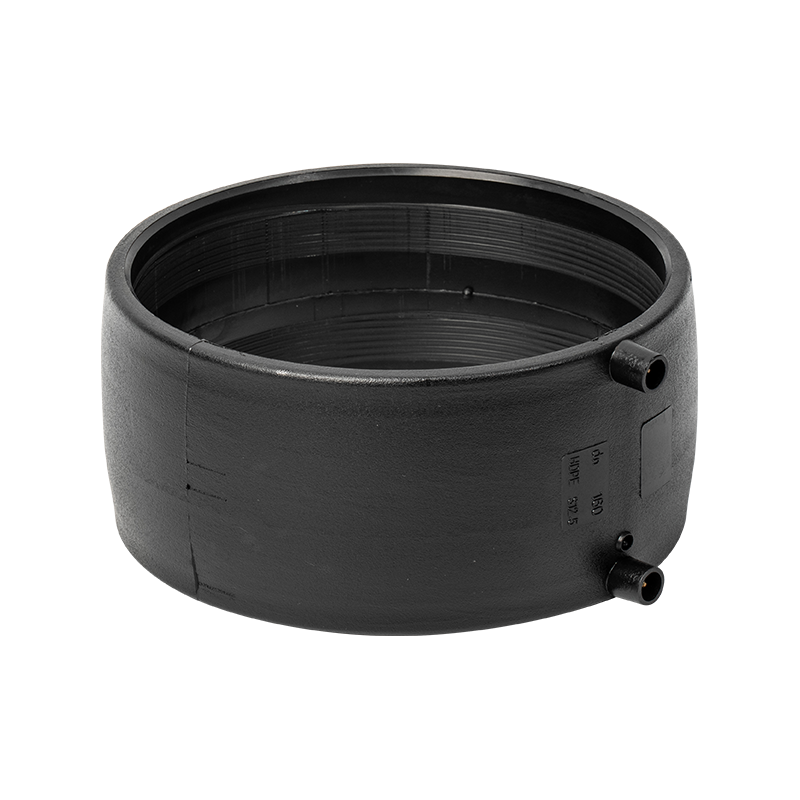
Electrofusion fittings consistently outperform older joining technologies across the metrics that matter most in drainage engineering:
| Criterion | Electrofusion | Butt Fusion Welding | Mechanical Couplings | Solvent Cement |
|---|---|---|---|---|
| Leakage rate | <1% | 1–3% | 3–8% | 2–5% |
| Joint strength | Equal to pipe wall | Near pipe strength | Lower than pipe | Variable |
| Space required for installation | Minimal | Moderate to large | Minimal | Minimal |
| Chemical pollution risk | None | None | Low | Moderate (solvent VOCs) |
| Suitability in confined spaces | Excellent | Poor | Good | Good |
| Skill level required | Moderate (controller-guided) | High | Low | Low to moderate |
The leakage rate of electrofusion connections is less than 1% — significantly better than traditional welding or mechanical methods — making it the preferred standard for high-integrity drainage systems.
Drainage electrofusion fittings are manufactured from high-density polyethylene (HDPE/PE100 or PE80), a thermoplastic that is ideally suited to both electrofusion joining and demanding drainage environments:
Drainage electrofusion fittings are manufactured to standardized geometric dimensions that ensure interoperability across different pipe manufacturers and installation teams. Key standards include:
Typical available diameter ranges for drainage electrofusion fittings span from 20 mm to 1,200 mm (DN20–DN1200), covering everything from small residential drainage connections to large-scale municipal sewer infrastructure. Standardization ensures that fittings from one compliant manufacturer can be used with pipes from another, simplifying procurement and project logistics.
Their combination of reliability, chemical resistance, and ease of use in restricted spaces makes electrofusion fittings the standard choice across a broad range of drainage applications:
| Application Sector | Typical Use | Why Electrofusion Is Preferred |
|---|---|---|
| Municipal sewerage | Underground sewer mains and service connections | Leak-free joints, long service life, ground movement tolerance |
| Stormwater drainage | Surface water channels, culverts, road drainage | High flow capacity, durable under variable loads |
| Industrial effluent | Chemical plant drainage, process water removal | Chemical resistance, no corrosion, no contamination risk |
| Building drainage | Below-slab and in-wall drainage pipework | Compact installation, no flame required indoors |
| Agricultural drainage | Land drainage, irrigation runoff management | Resistance to soil chemicals, frost tolerance |
| Infrastructure rehabilitation | Repair and extension of existing drainage networks | Saddle fittings allow branch connections without full excavation |
Even with the inherent reliability of electrofusion technology, correct installation practice is essential. The following steps ensure consistent joint quality:
Both electrofusion and butt fusion are valid methods for joining PE drainage pipes, but they suit different site conditions:
Drainage electrofusion fittings have become the reference standard for PE pipe connections in modern drainage infrastructure because they deliver what every drainage system demands: permanent, leak-free joints with no reliance on gaskets, sealants, or skilled manual welding technique. With a leakage rate below 1%, a rated service life exceeding 50 years, full chemical resistance, and a product range covering every directional and functional requirement, they represent the most reliable connection solution available for PE drainage systems today.
Whether used in a small residential drainage repair or a large-scale municipal sewer installation, the combination of standardized dimensions, controller-guided fusion, and robust PE material makes electrofusion fittings the lowest-risk, highest-performance choice for engineers and contractors who cannot afford drainage joint failures.
 General Manager Mr.Song +86-18868665013 / Miss Zhou +86-13757458992
 International Sales Manager: Jim Yao +86-18968349877
 +86-574-62939789
 Wechat/WhatsApp: +86-18968349877
 [email protected]; [email protected]
 No. 147 Dushan, Sanqi Town, Yuyao City, Zhejiang Province
Copyright © Ningbo Heqi Pipe Co., Ltd. All rights reserved. Wholesale Drainage Pipes Manufacturer Drainage Fittings Supplier



 EN
EN

 English
 中文简体
中文简体