 2025.07.16
 Industry News
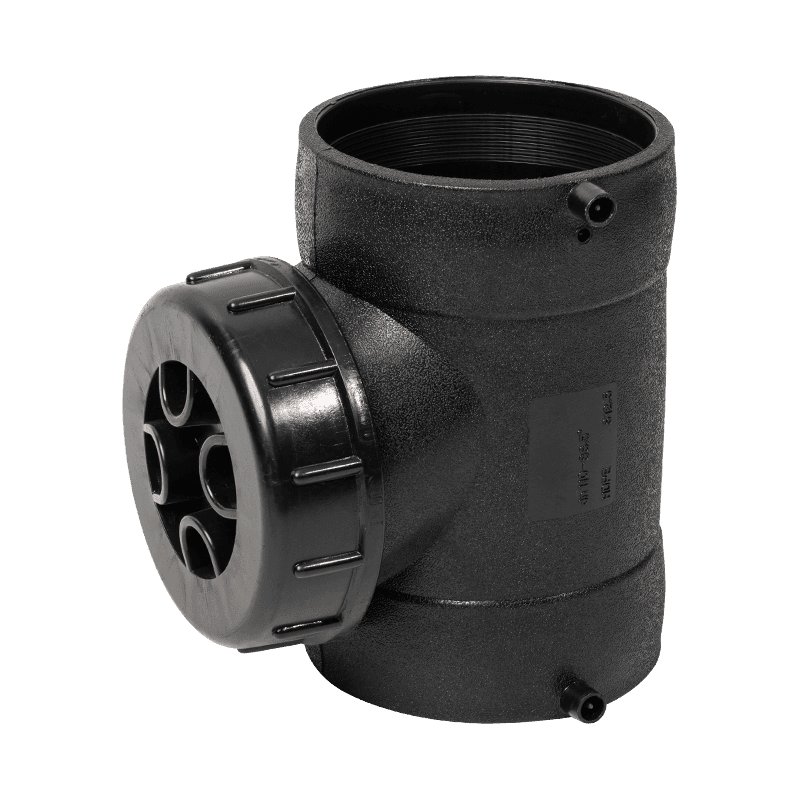
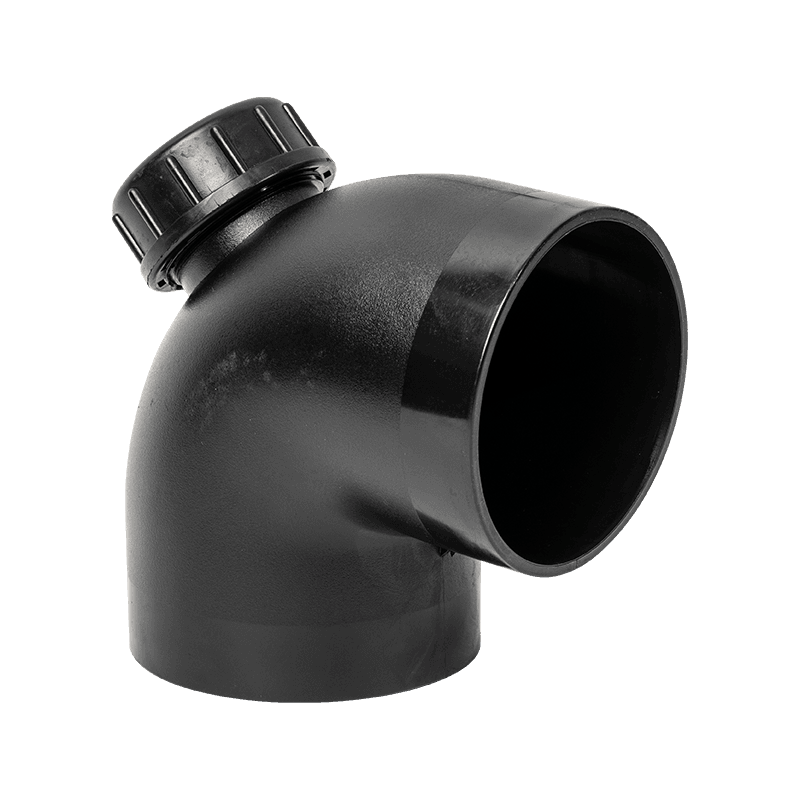
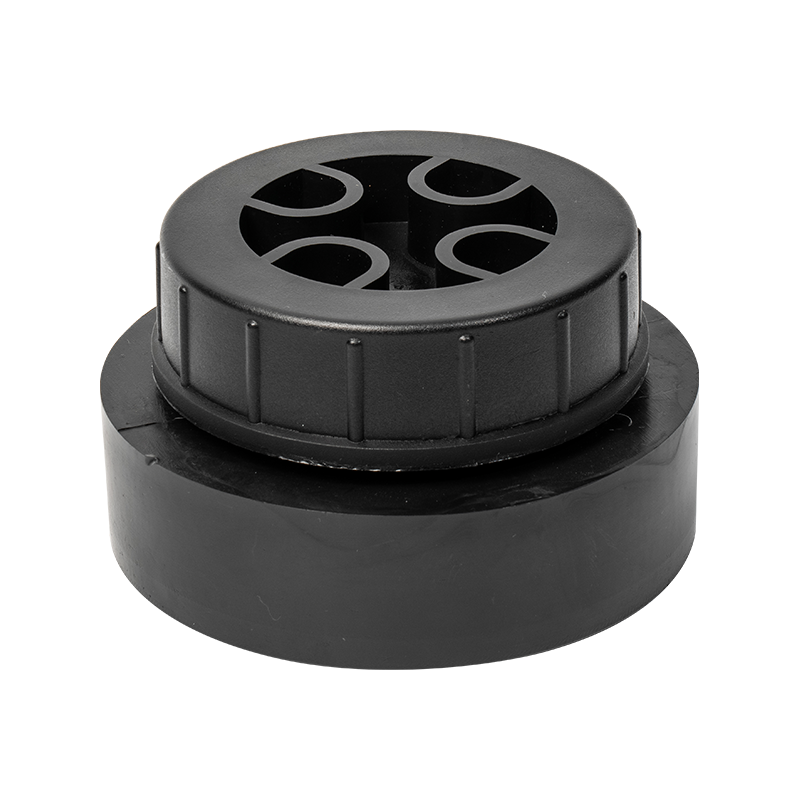
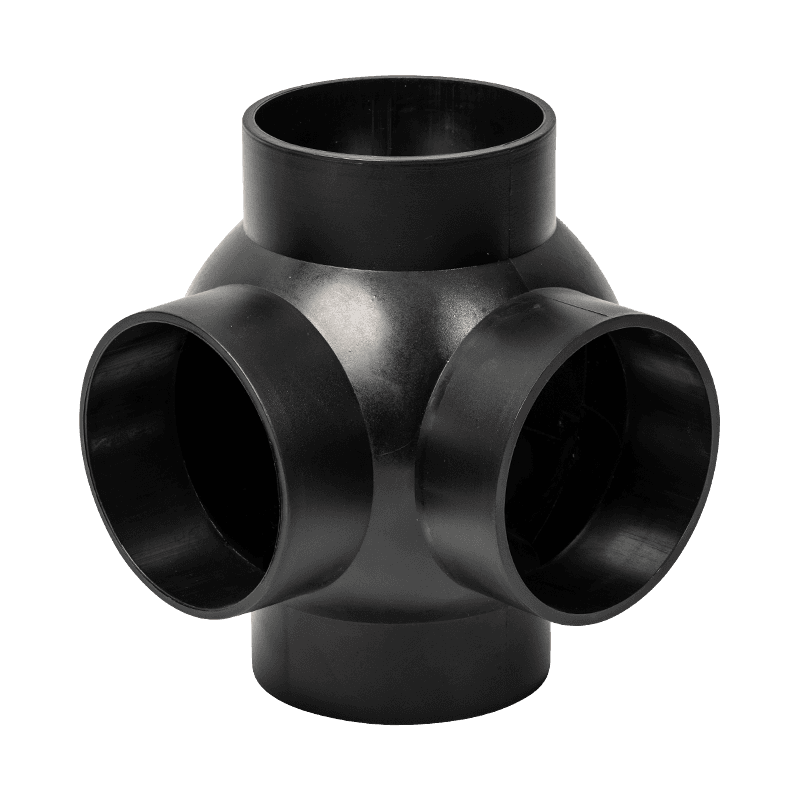
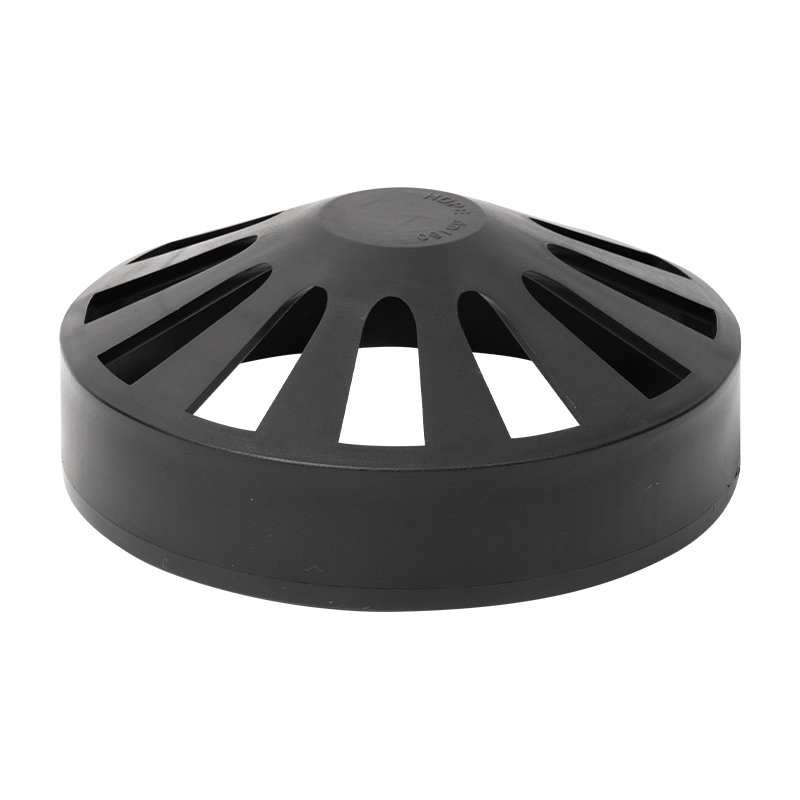
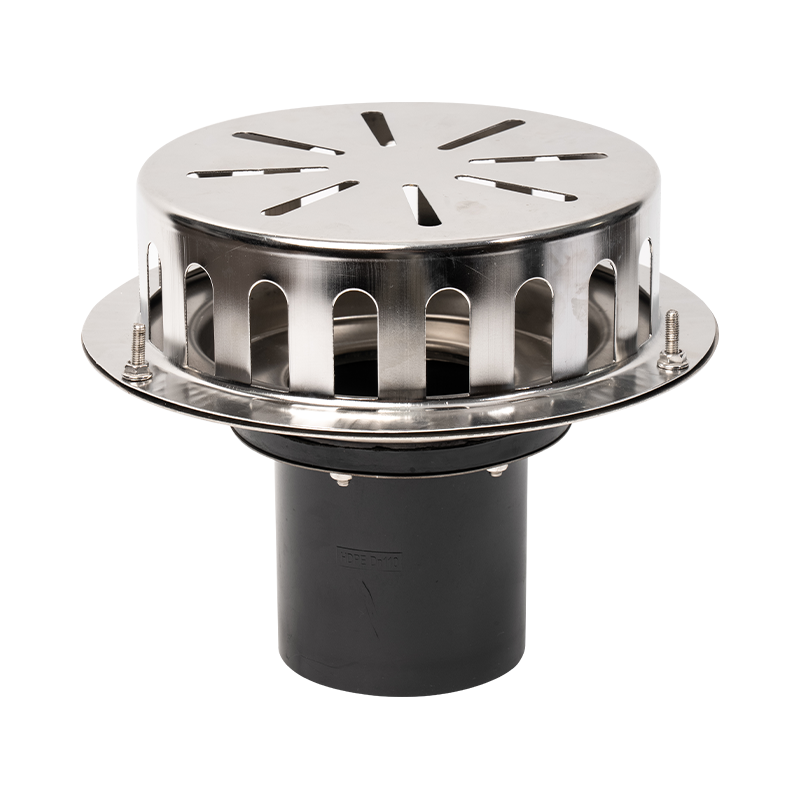
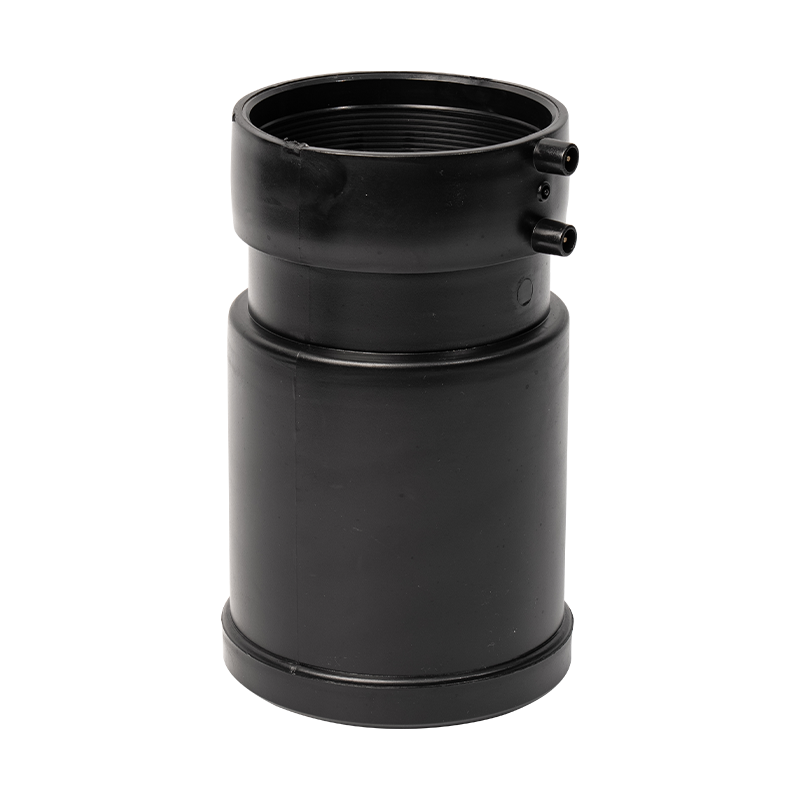
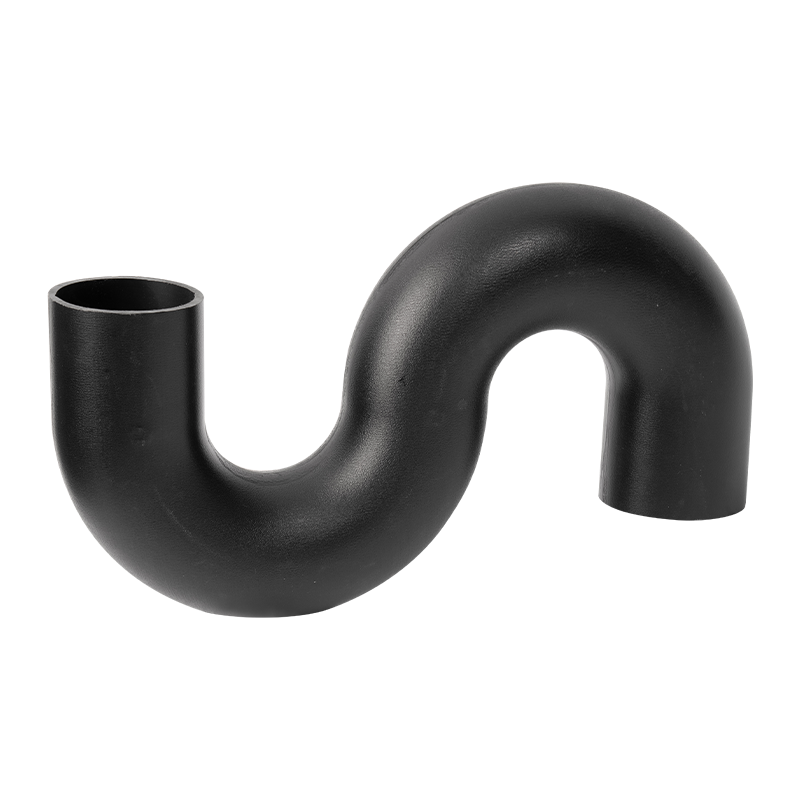
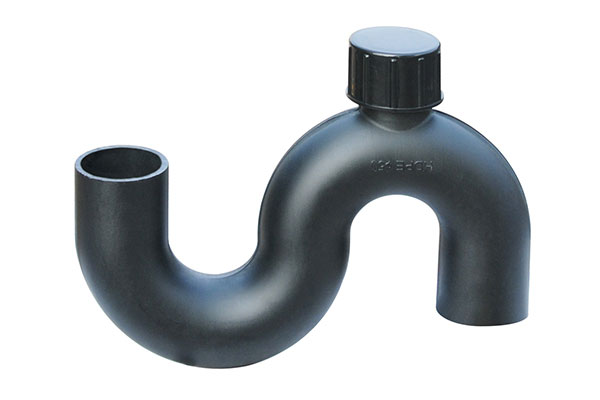
First, high-density polyethylene (HDPE) drainage pipe common 3 kinds of industrial drainage pipe fittings and their characteristics
High-density polyethylene (HDPE) is a highly crystalline, non-polar thermoplastic resin.HDPE has a milky white appearance and is translucent to a certain extent. In the water supply and drainage piping system, plastic pipes are gradually replacing traditional pipes such as cast iron pipes and galvanised steel pipes as the mainstream use of pipes. Compared with traditional pipes, plastic pipes have the advantages of light weight, corrosion resistance, low flow resistance, energy saving, simple and quick installation, and low cost. It is favoured by the field of pipeline engineering.
HDPE pipes are mainly used for: municipal engineering water supply systems, building indoor water supply systems, outdoor buried water supply systems, residential communities, plant buried water supply systems, old pipeline repair, water treatment engineering piping systems, gardening, irrigation,n and other industrial drainage pipe fittings.
Second, reinforced polypropylene (FRPP) moulding pipe
Fiberglass reinforced polypropylene (FRPP) pipe is made of glass fibre modified polypropylene material treated with a coupling agent. The product has corrosion resistance, high strength, anti-leakage, small internal resistance, tensile strength, high flexural strength, low cost, long service life, easy installation and maintenance. It is widely used in petroleum, chemical, electric power, textile, metallurgy, pharmaceutical, papermaking, food, mining, waste disposal, construction and other industries as corrosive liquid transport and process piping, trusted by users.
Fiberglass Reinforced Polypropylene (FRPP) pipes are made of glass fibre modified polypropylene material treated with a coupling agent. The product has the characteristics of corrosion resistance, high strength, anti-leakage, low internal resistance, high tensile strength, high flexural strength, low cost, long service life, easy installation, and maintenance. Widely used in petroleum, chemical, electric power, textile, metallurgy, pharmaceutical, papermaking, food, mining, waste disposal, construction,n and other industries, as corrosive liquid transport and process piping, is one of the trusted by the user of drainage pipe fittings.
Third, glass fibre reinforced plastic sand pipe
Composite pipe wall structure is high strength FRP as inner and outer reinforcing layer, in the middle of cheap quartz sand/resin as the core layer, in order to improve the rigidity of the pipe, acid and alkali corrosion resistance, good toughness of the inner layer, and the outer protective layer meets the requirements of the working environment.RPM pipe can be produced by centrifugal casting or winding process. Therefore, there are two types of composite pipe: composite pipe winding composite pipe and centrifugal casting pipe. In the case of centrifugal casting, the glass fibres are short-cut fibres; in the case of winding, the glass fibres are long-cut fibres. Centrifugally cast RPM tubes have a diameter of 2400 mm and fibre-wound RPM tubes have a diameter of 4000 mm. are thermosetting plastic tubes.
Its characteristics are:
1) Good corrosion resistance.
2) Light weight and high strength.
(3) Easy to install.
(4) Smooth inner surface, high flow rate.
5) Good resistance to low temperature.
6) Good heat insulation performance.
Recommended Products
 General Manager Mr.Song +86-18868665013 / Miss Zhou +86-13757458992
 International Sales Manager: Jim Yao +86-18968349877
 +86-574-62939789
 Wechat/WhatsApp: +86-18968349877
 [email protected]; [email protected]
 No. 147 Dushan, Sanqi Town, Yuyao City, Zhejiang Province
Copyright © Ningbo Heqi Pipe Co., Ltd. All rights reserved. Wholesale Drainage Pipes Manufacturer Drainage Fittings Supplier



 EN
EN

 English
 中文简体
中文简体